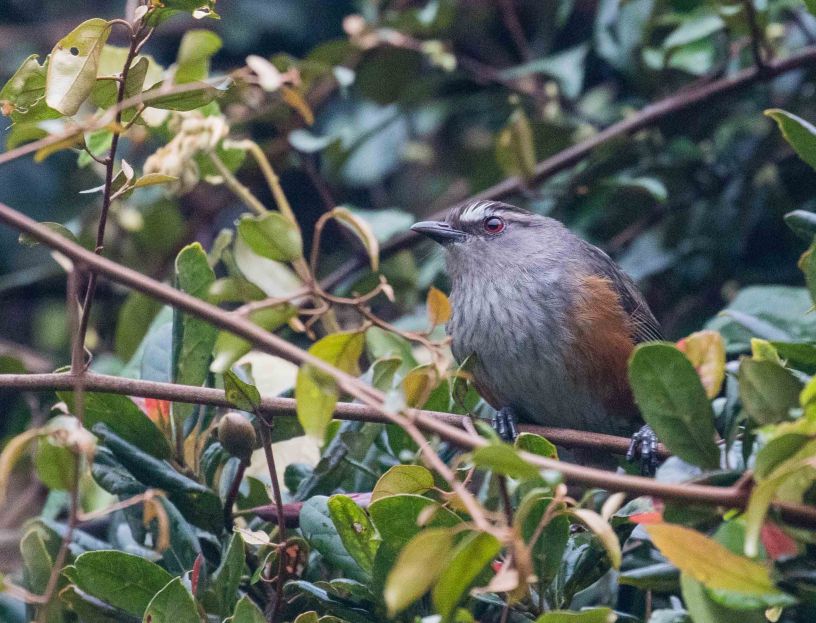
Ashambu Laughingthrush, once considered a sub-species of the Kerala Laughingthrush, was split out and made a monotypic species. It is considered as one of the endemic birds of India. It is highly localised and present south from Achankovil Gap, in the extreme south Kerala and extreme south Tamil Nadu. Without the “directional jargons”, it means it is found in a very small part of the southern India 😄. Given the location, it is not an easy bird to get to see and thus a coveted one to add to one’s life list. So when one gets a chance to visit a place where the bird is found, that too one with restricted access to the general public, it is an opportunity that one cannot and should not refuse. The post is about such a chance, rather a journey that was made possible by the efforts of Dhanpal Sir. Thank you Sir!
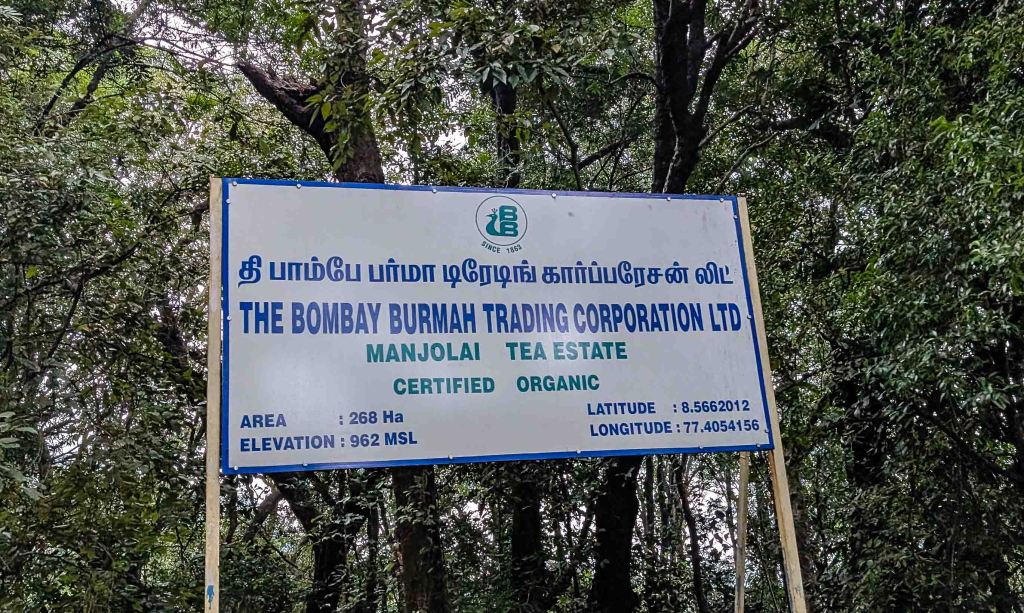
One of the patches that the Ashambu Laughingthrush can be found is in the forests around the Upper Kodayar dam in Tamil Nadu. The area had been leased out to a Tea Company (The Bombay Burmah Trading Corporation Ltd.) for many decades. Recently, the lease had run out and the Forest Department had decided to take it back for conservation purposes. This meant that it was to be no longer open to the general public. Albin, Rahul and I had been speaking to Dhanapal Sir about trying to get permission from the Forest Department to visit the forest in the transition period before all access was cut off. Him being a retired Forest Officer from the same state, we were hoping that it would eventually come through. It finally came through in the month of Feb 2025. We planned for a 3 days trips. Sudip also joined us in the trip.
We took the evening train from Bangalore. We were to get off at the Tirunelveli Junction station. We reached early in the morning around 5AM. Here is us at the railway station.
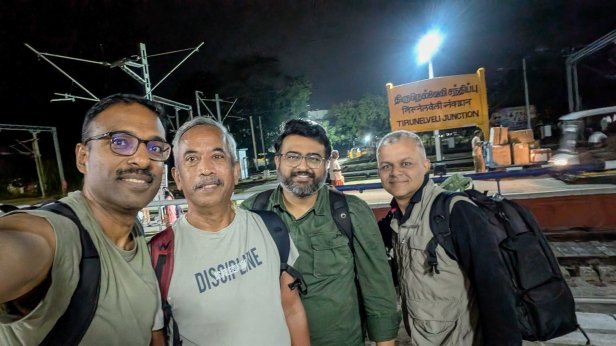
Sudip had reached a day earlier in a bid to try and see the Caspian Plover, a vagrant bird species to India. They had been reported at Vijayanarayanam Tank, a lake around 45 minutes from Tirunelvali. However, luck did not favour him when he visited the lake the previous morning.
Once he joined us at the railway station, we headed off in two vehicles. The plan was to first visit the Tirunelveli Forest Office, meet the concerned officer and then head off to Upper Kodayar where we would be staying in inspection bungalows.
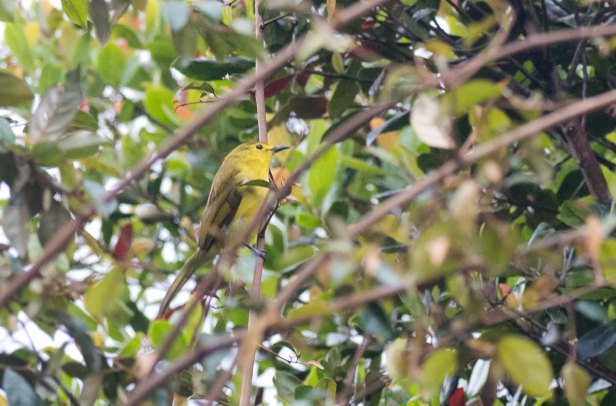
The patch around the Tirunelveli Forest Office yielded us good views of a Brown-headed Barbet and a Yellow-browed Bulbul.
Since there would be no places to eat once inside the forest, we bought provisions to last us for 2 days before we started our journey up to Upper Kodayar. And the journey to the hills finally started.
The hills were soon looming up in front of us, giving a hint of the beauty that we were going to experience.
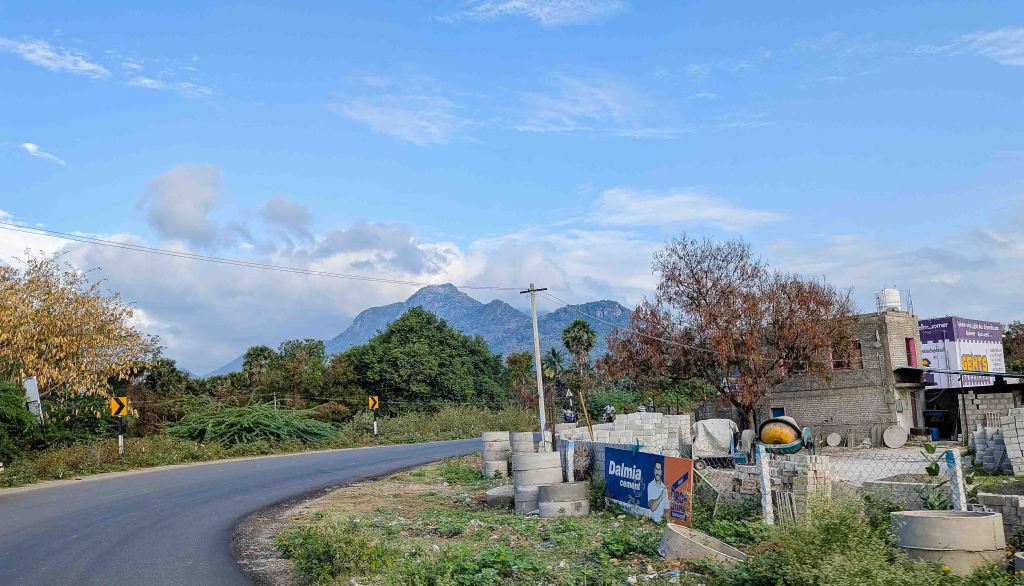
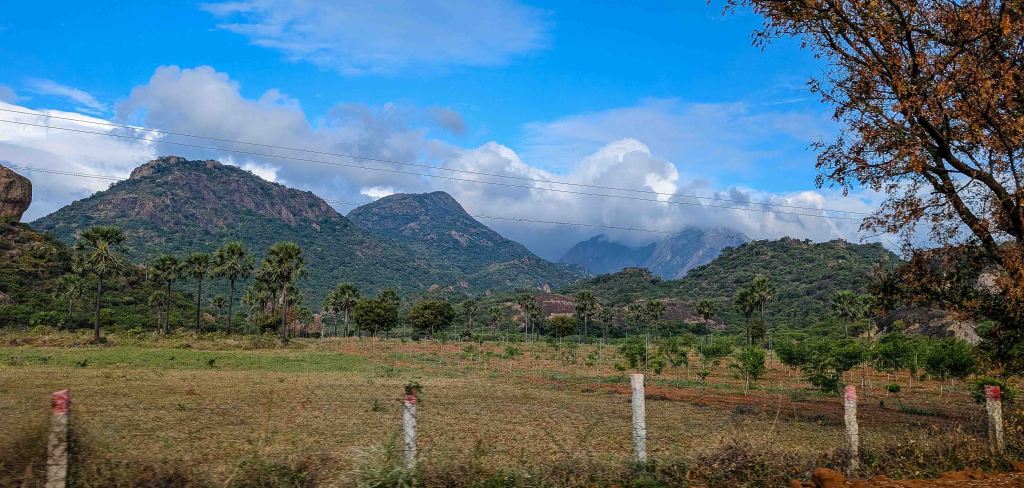
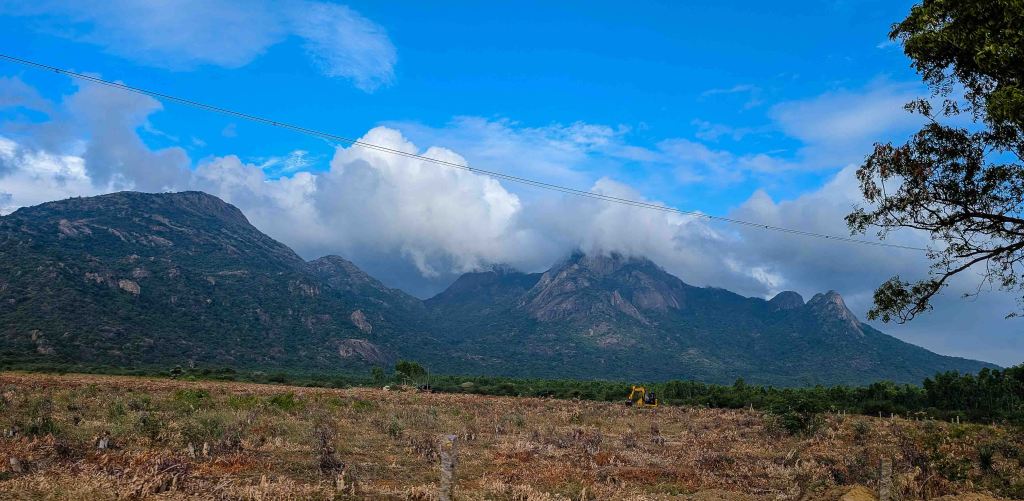
Soon we reached the forest checkpost.
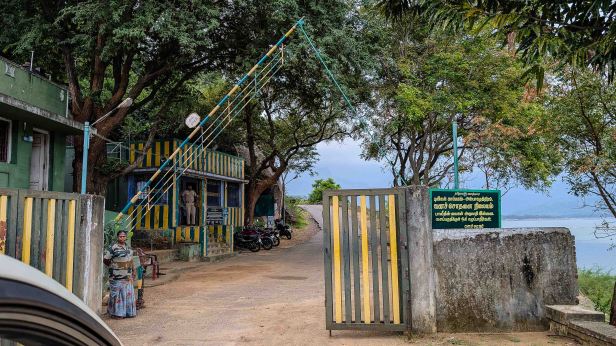
Once the formalities were done, we headed on.
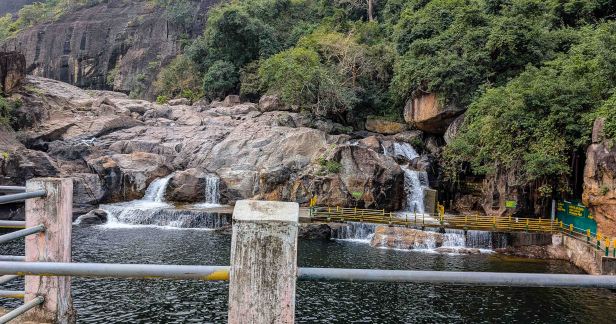
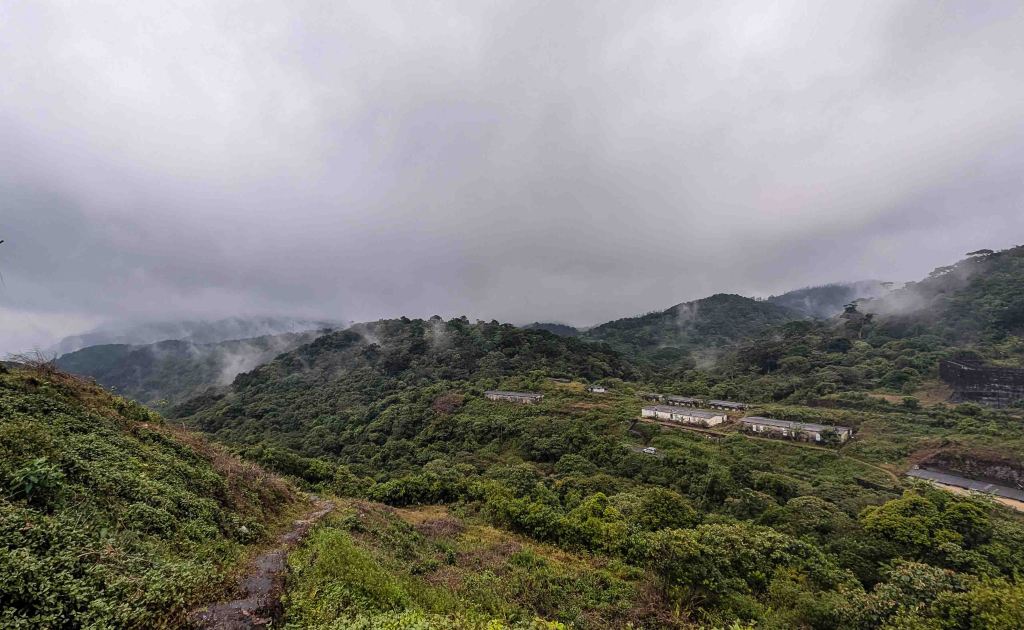
Shortly after, the climb started. The forest started to get thick. And the birds that we could see and hear also changed. The birds included the Puff-throated Babbler, Large-billed Leaf Warbler, Green Warbler, Grey-headed Canary-Flycatcher, Indian Scimitar-Babbler, Crested Serpent Eagle, Velvet-fronted Nuthatch and Nilgiri Flycatcher. The views also got even prettier. We also drove past the buildings previously used by the Tea Company.
Here are some of the views as we drove up.
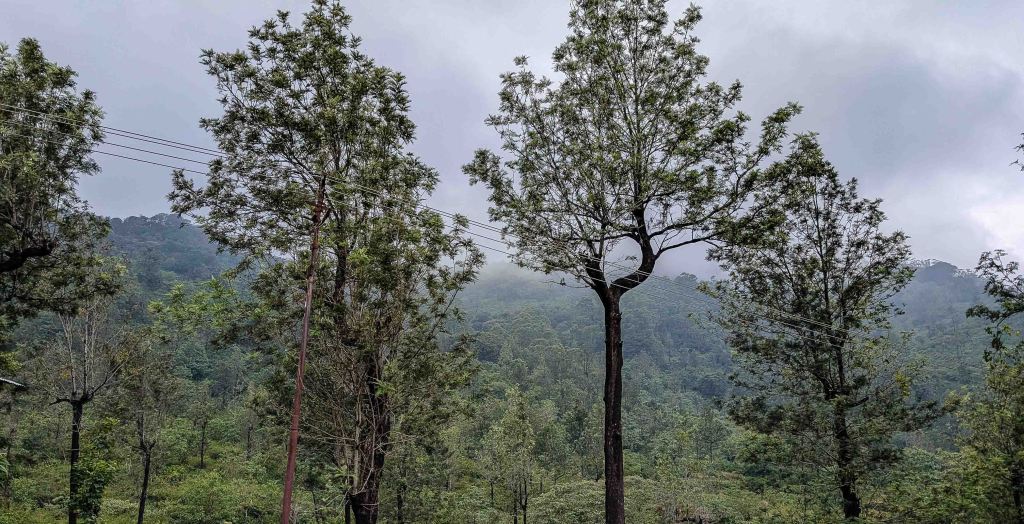
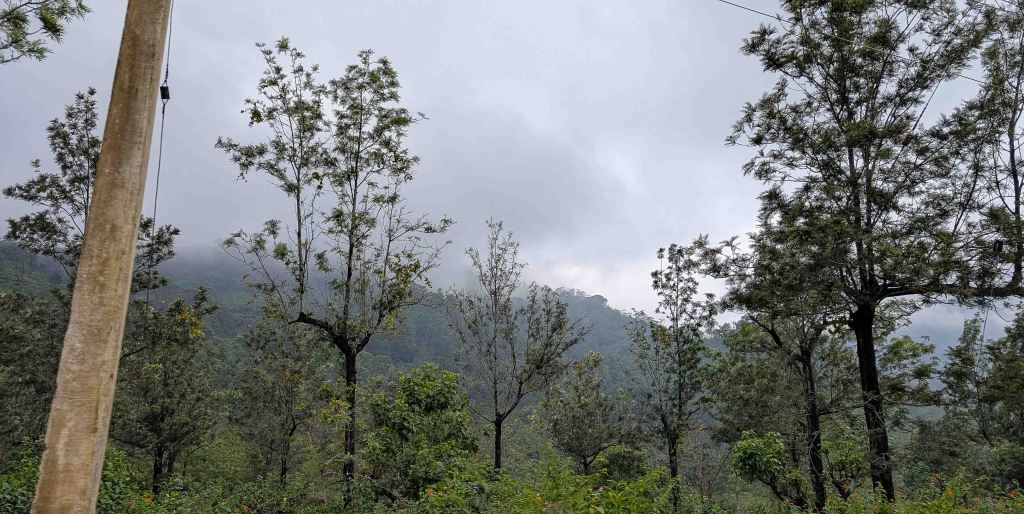
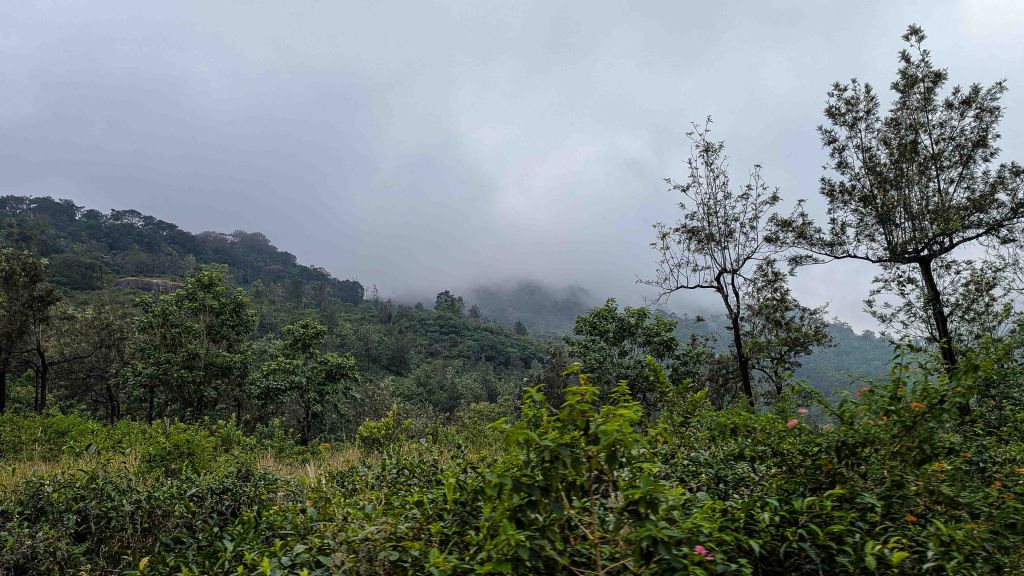
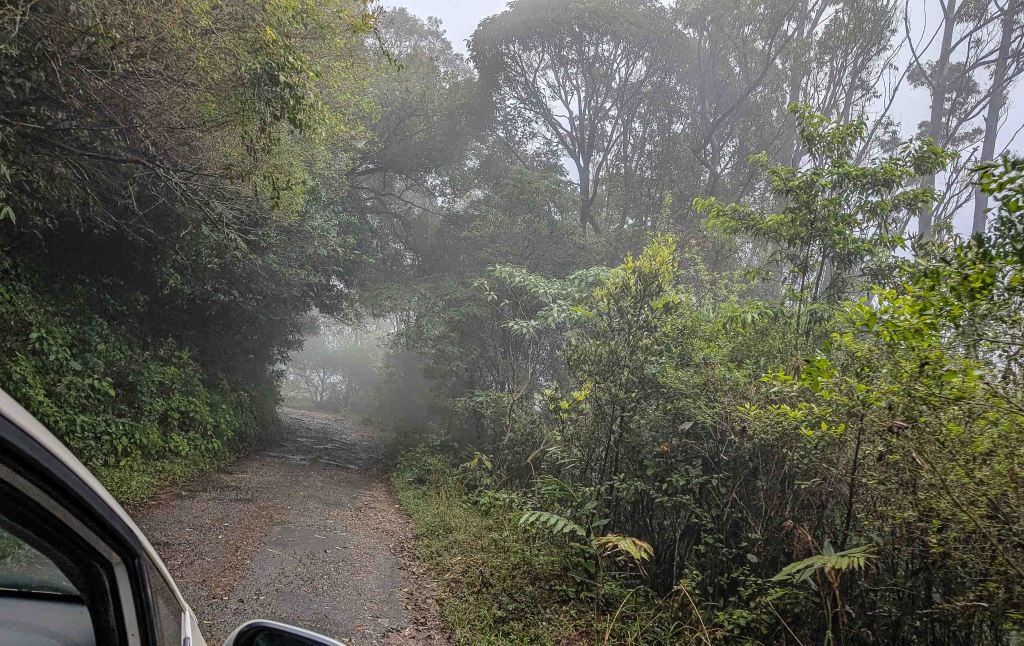
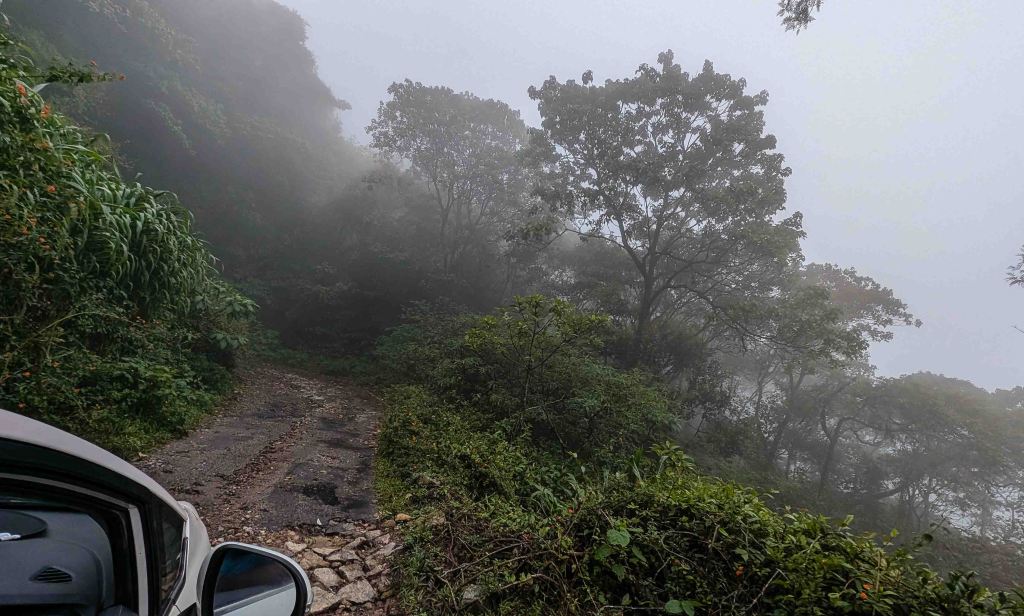
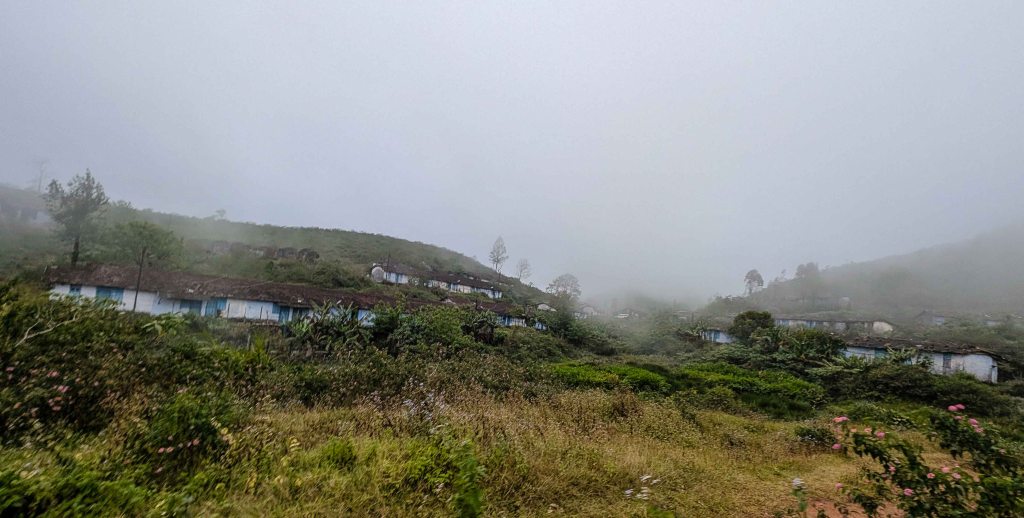
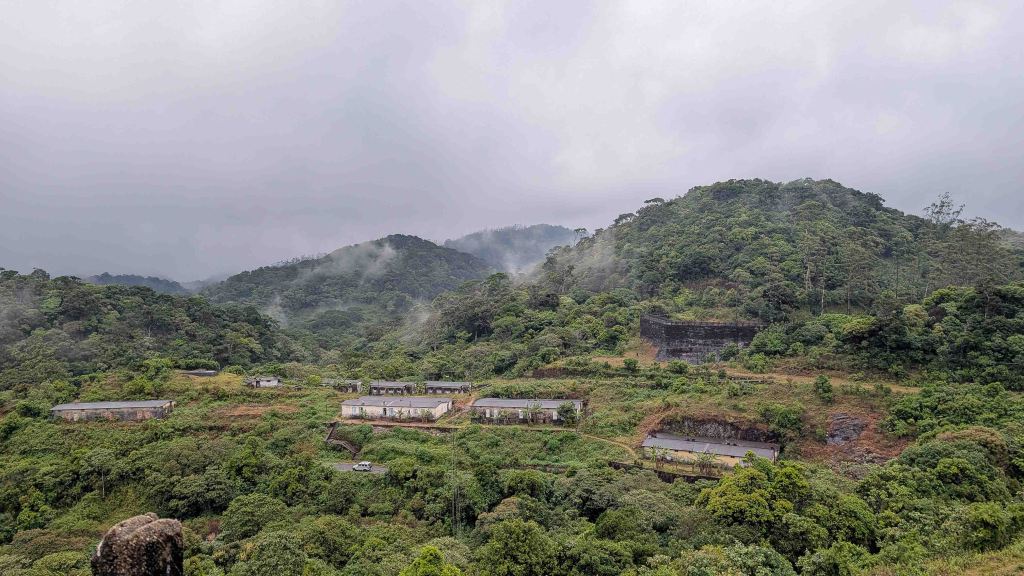
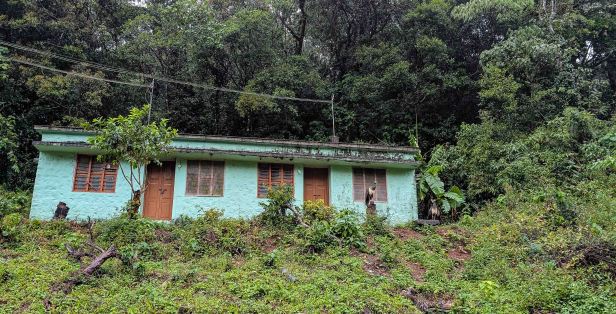
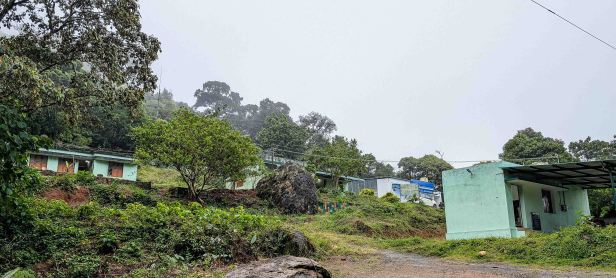
There were several abandoned buildings enroute. Some of them had Indian Peafowls perched in front of them, like in the one below.
We reached our place of stay a bit before noon.
Once we had unloaded our luggage we decided to head out for a short birding session to the top of the hill and to get views of the dam. Here are some the sights we saw:
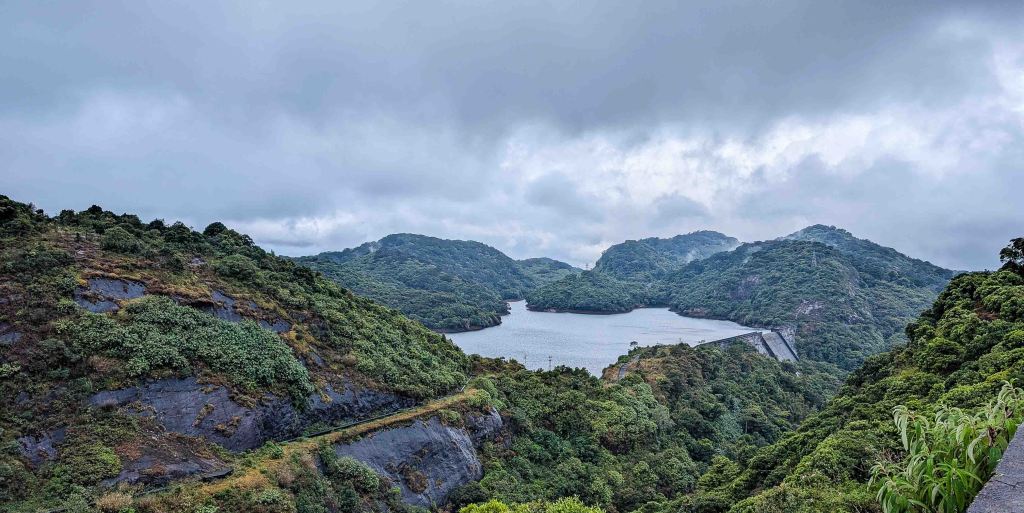
There had been no sign or calls of our main target thus far. Upon inquiring with the forest staff, they told us that the bird sometimes came to the trees right outside the building that we were staying at! There was no sign of the bird on those trees yet. We just hoped that we could get to see it in the 3 days that we had budgeted for it.
We decided to walk and bird on the road nearby. This yielded us several Common Rosefinch, a Black Eagle, Malabar Green Pigeon, Indian Yellow Tit, Square-tailed Bulbul, Nilgiri Flowerpecker and Nilgiri Flycatcher among others.
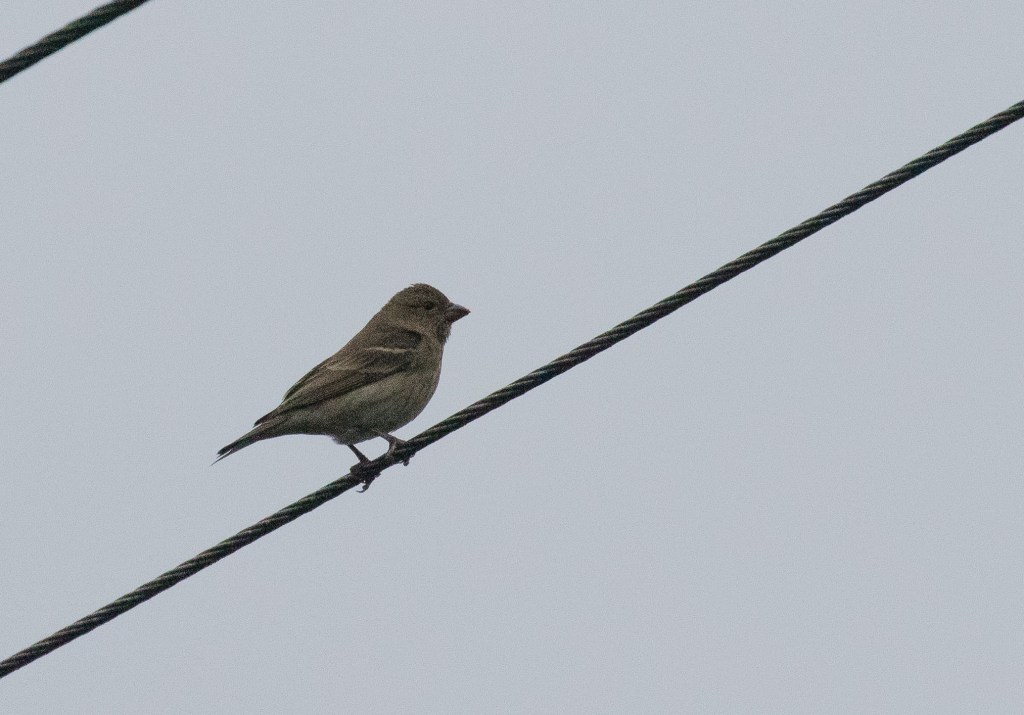
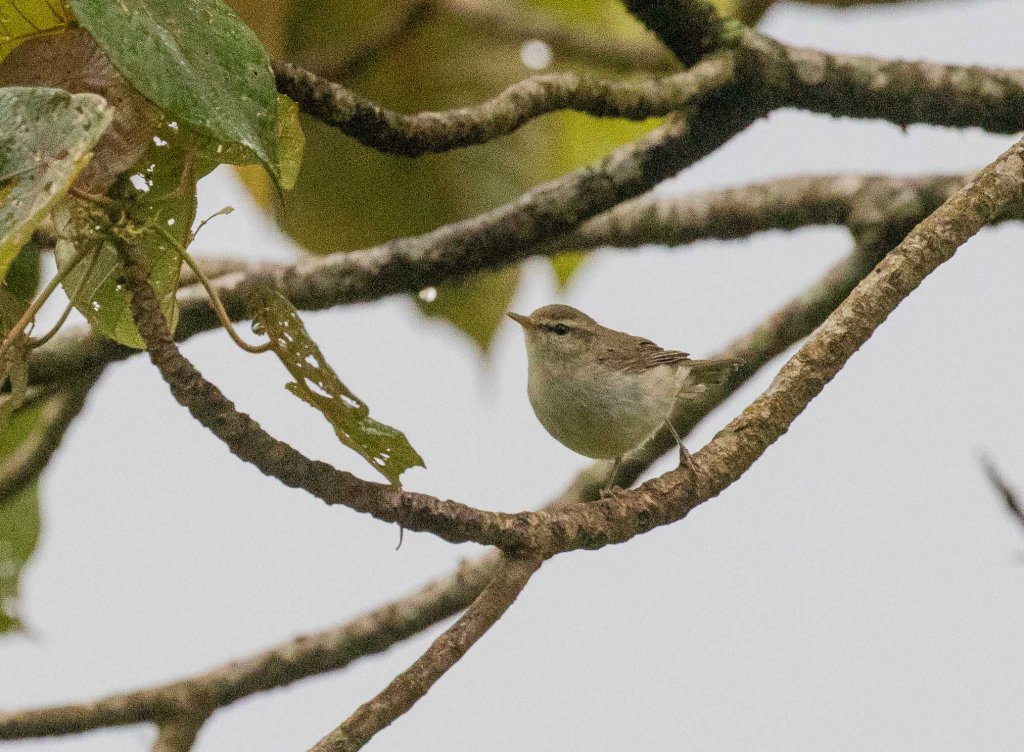
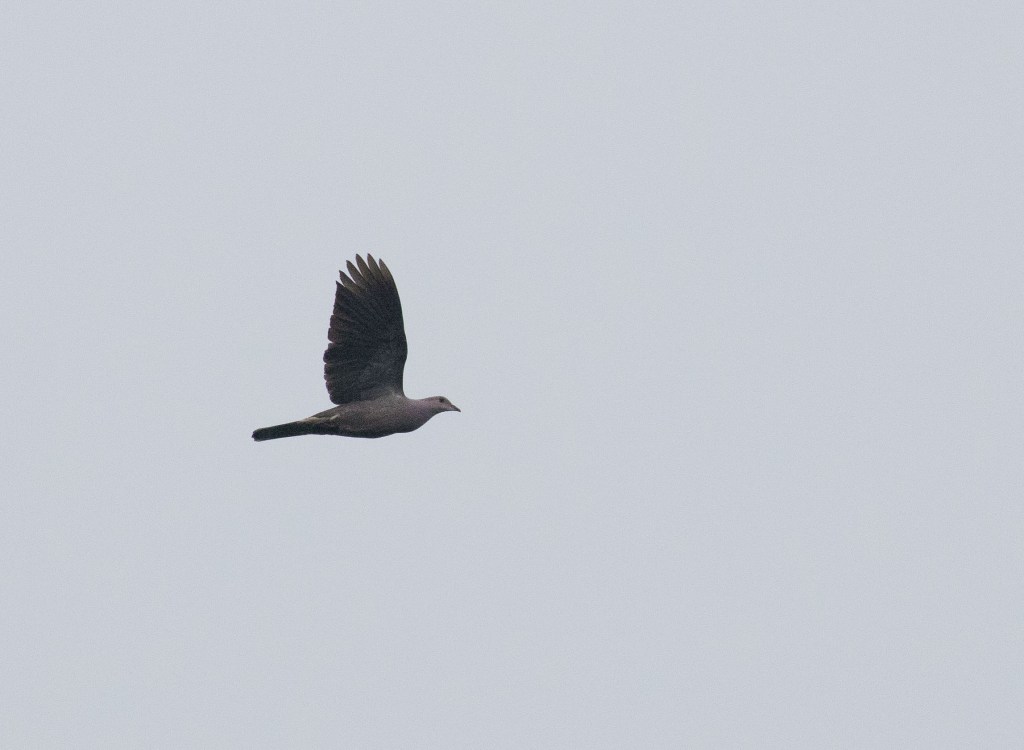
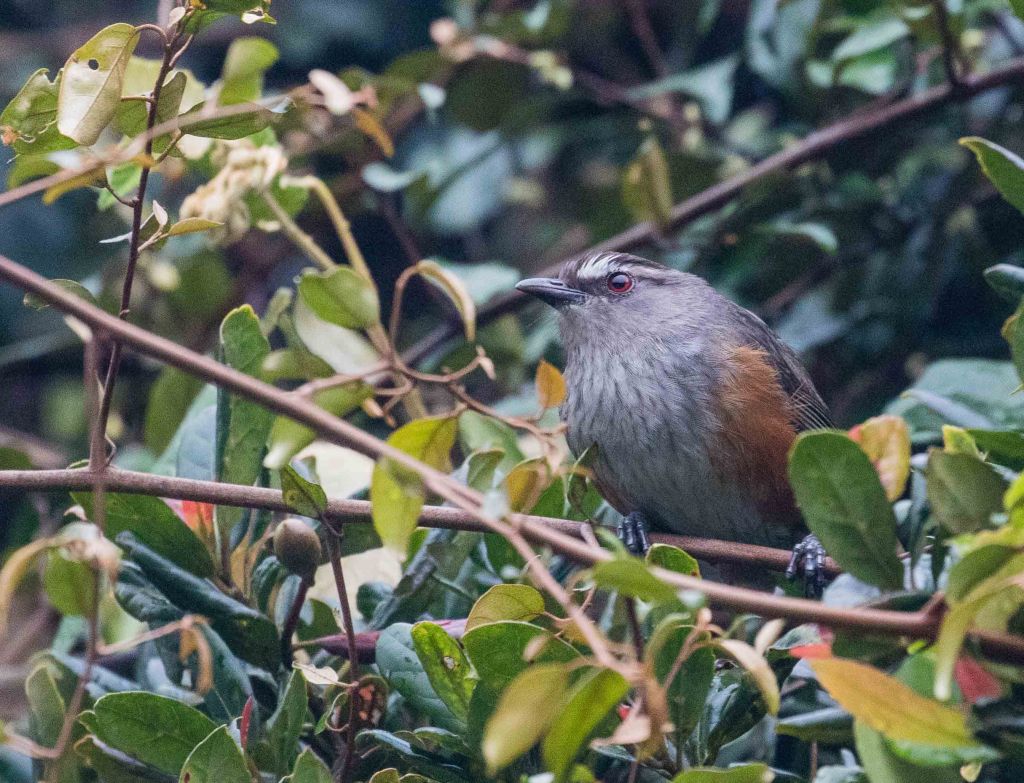
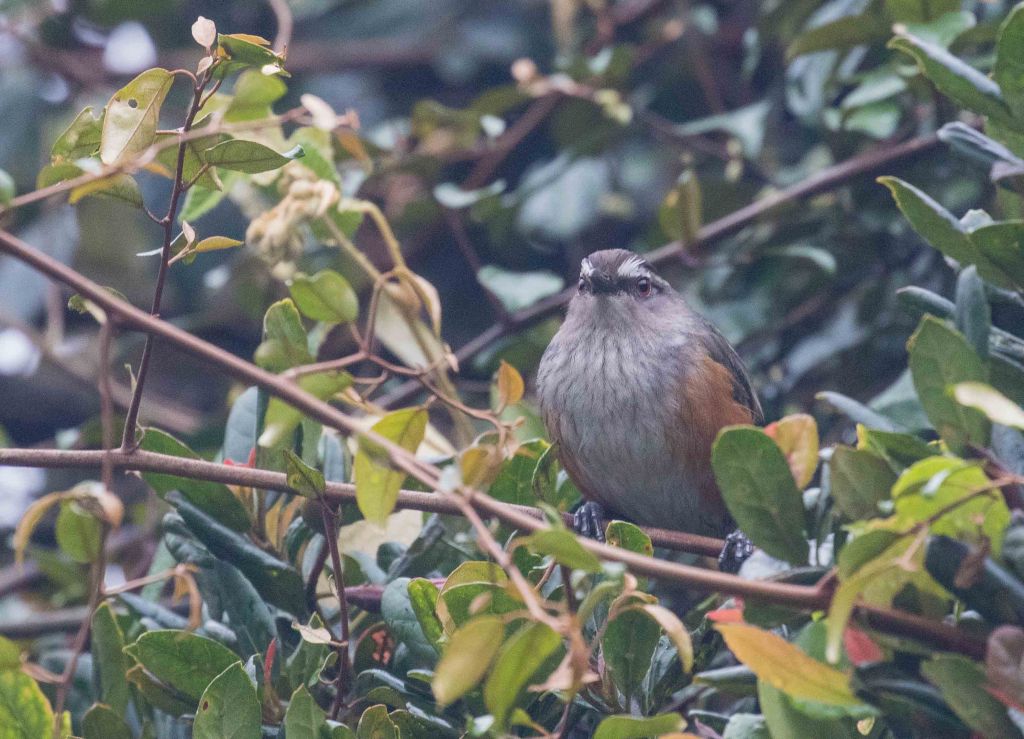
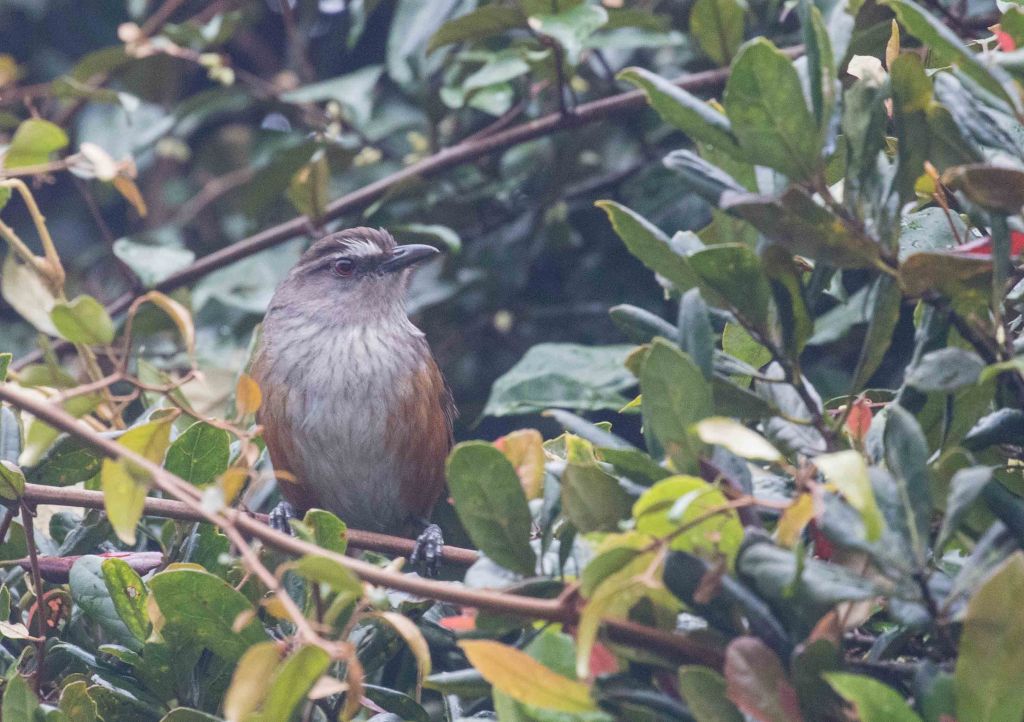
It was time for lunch soon after. Post a sumptuous piping hot lunch in a somewhat chilly afternoon, we decided to try our luck around the area just in front of the building. The Yellow-browed Bulbuls and a few Square-tailed Bulbuls were the first to appear. Soon hearing and seeing an Indian Scimitar-Babbler in the tree right outside the building got us excited. And then appeared much awaited star; an Ashambu Laughingthrush! It played hide and seek with us for several minutes. It just refused to come out into the open. But it finally did! Here are some pictures taken in the brief few minutes it was around.
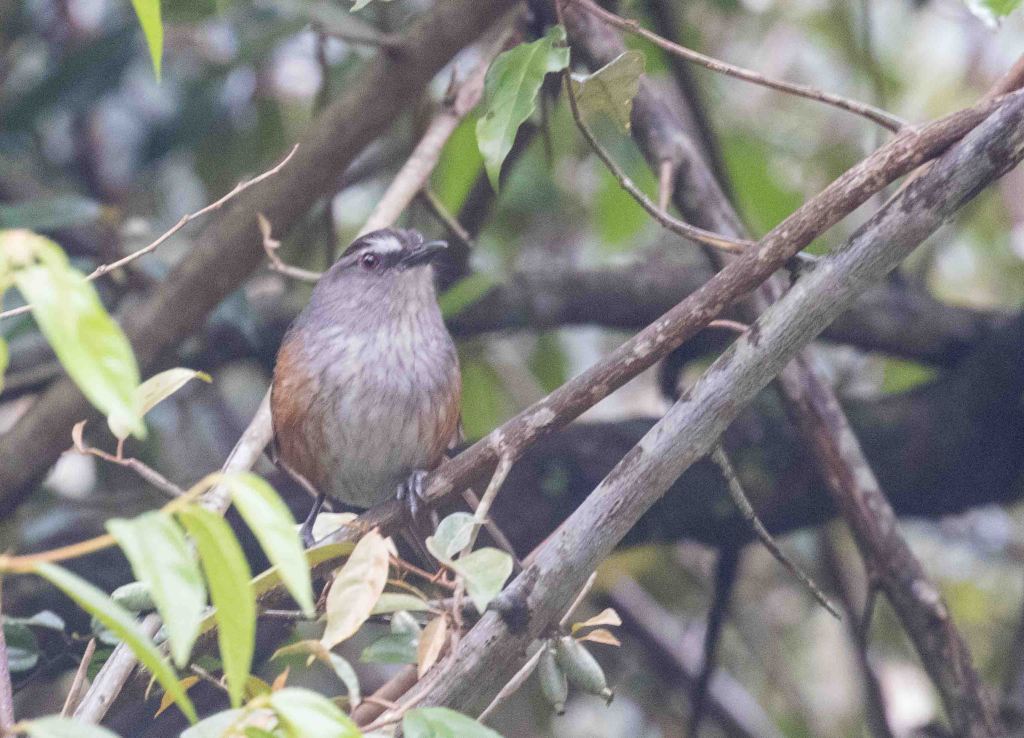
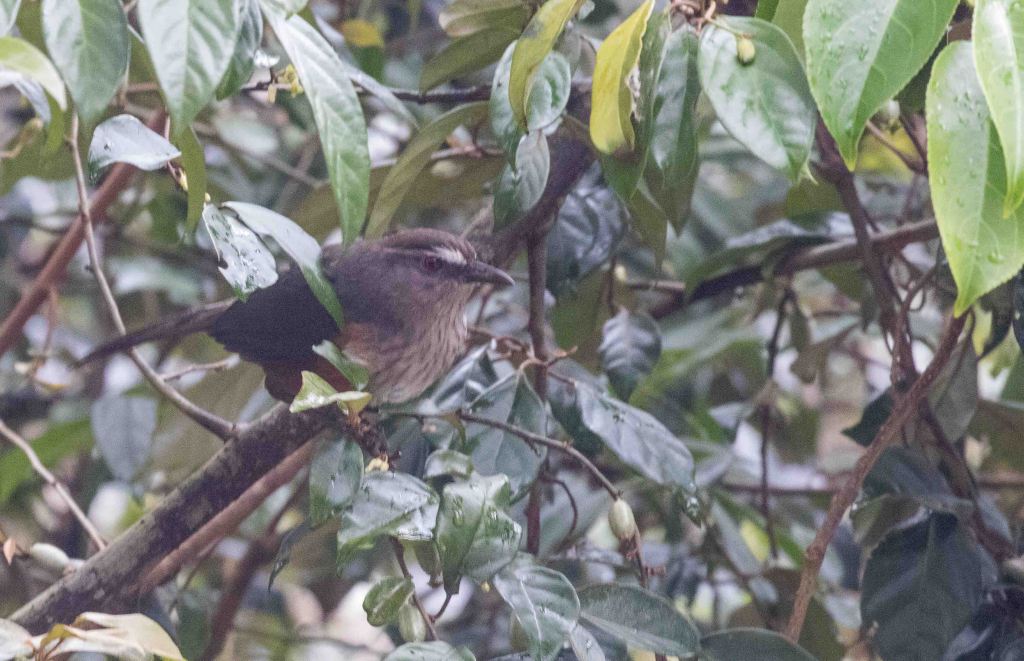
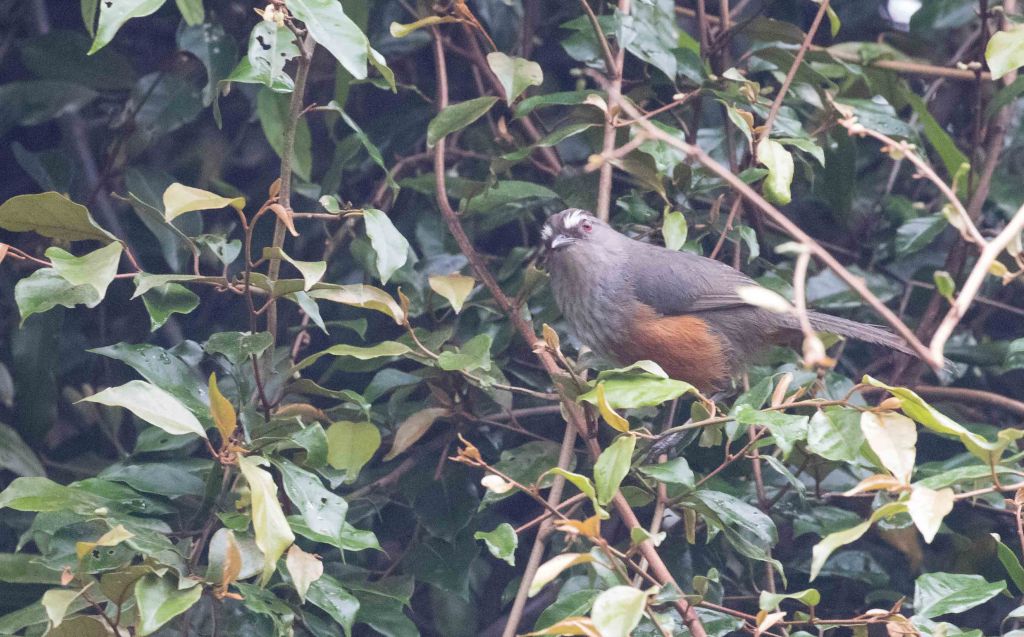
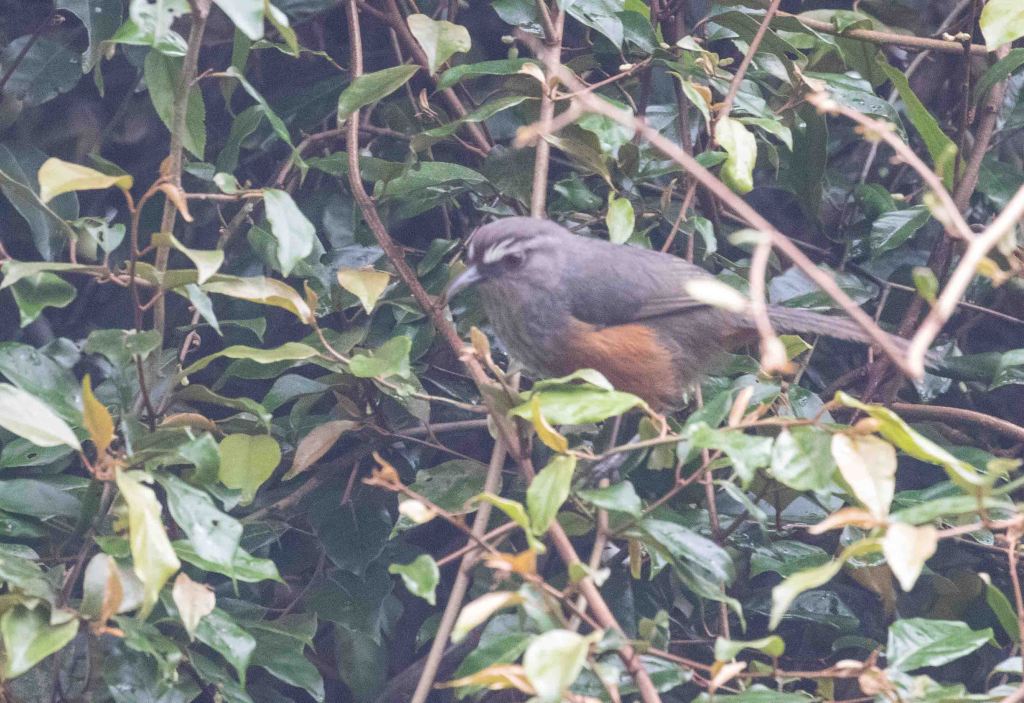
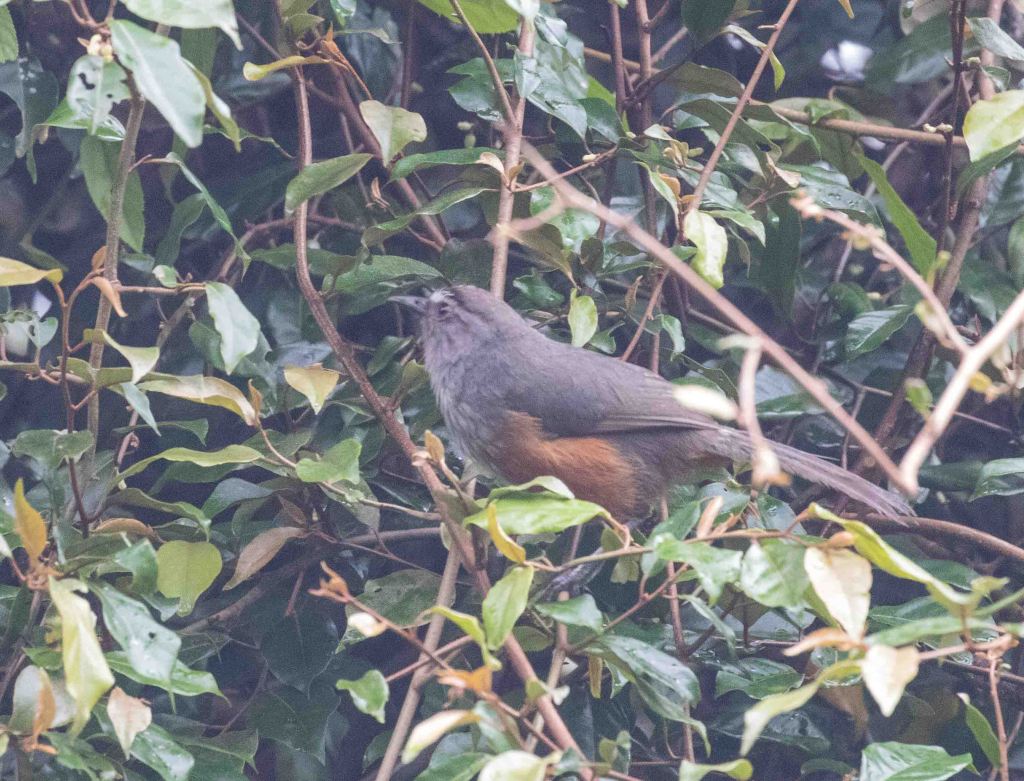
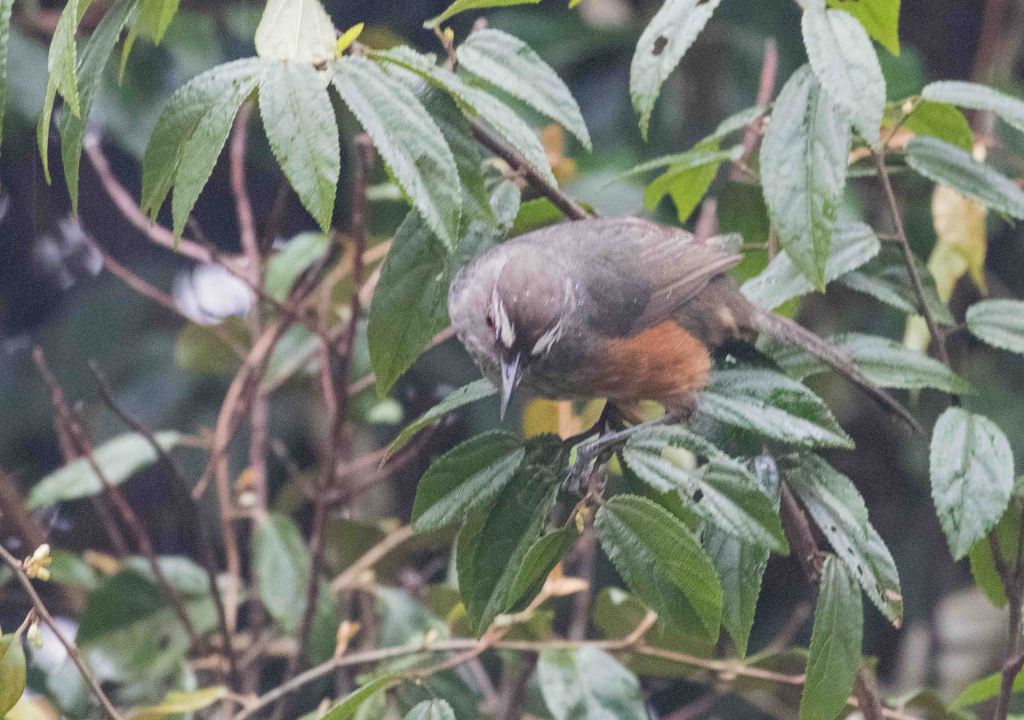
From the behaviour we had seen, we suspected that there was a “relation” between the Indian Scimitar-Babbler and the Ashambu Laughingthrush. They seemed to be almost dueting to each other for some time. But further observations and study would be required to ascertain it. There was also seemed to be some association between the specific trees that there were foraging on. They were the Viburnum punctatum (Dotted Viburnum?) and Elaeagnus conferta (Eastern Silverberry).
Looking up into the sky, yielded us a Alpine Swift.
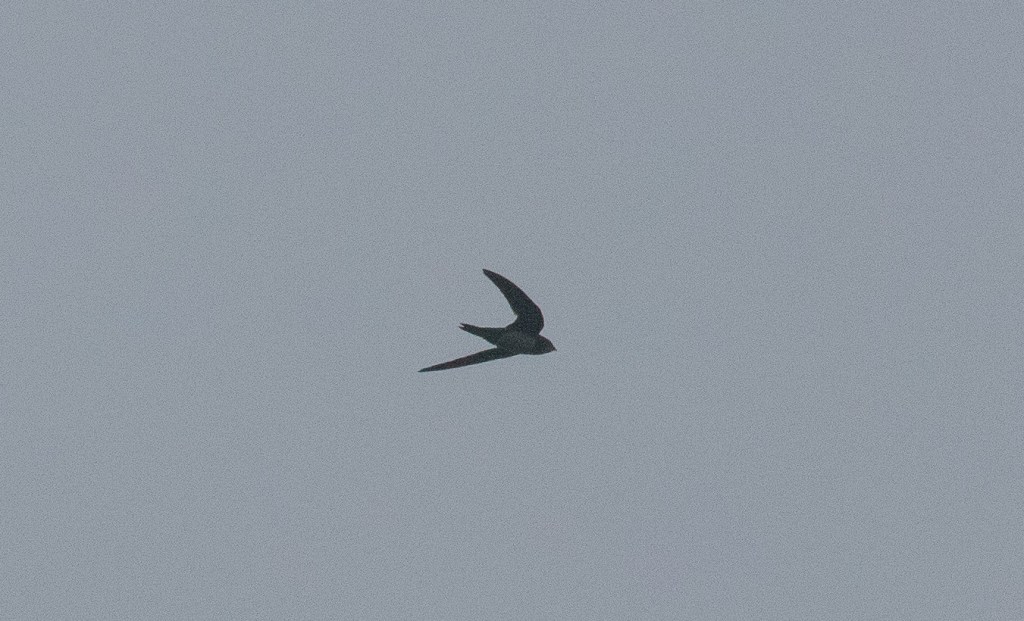
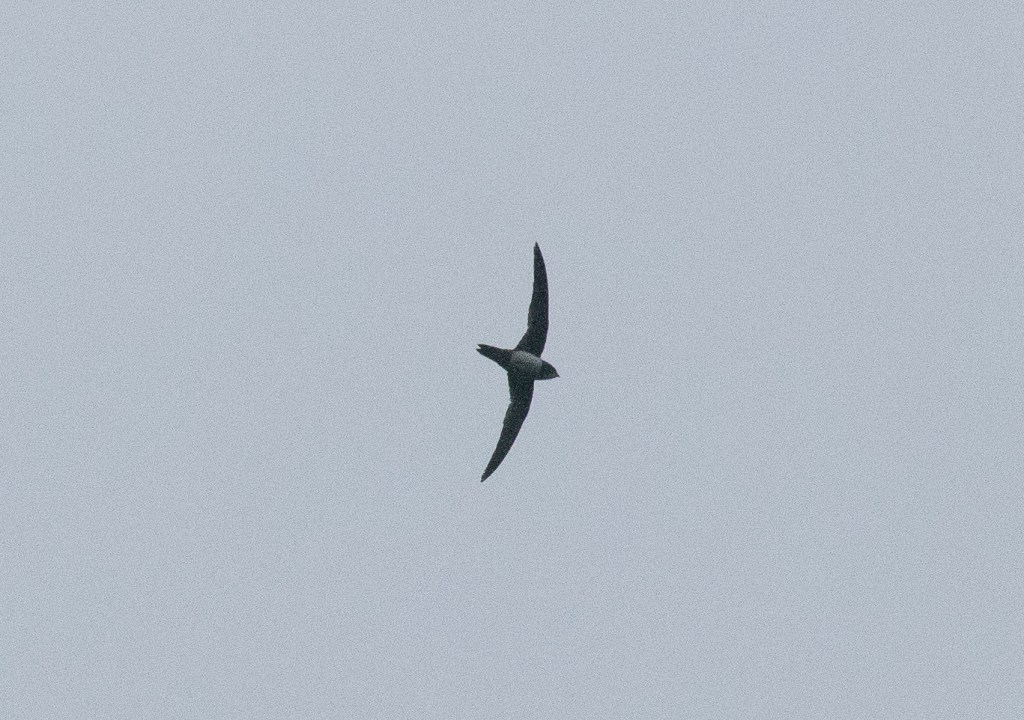
Satisfied with the sightings, we stepped back into the rest house to have tea. We were back out again at around 4:15pm again, this time with just our binoculars. A few minutes later, we saw the Laughingthrush again, in fact two of them were around. This time they came out and sat in the open for some minutes, and even vocalised.
Here is a short video that I managed to take of one of them.
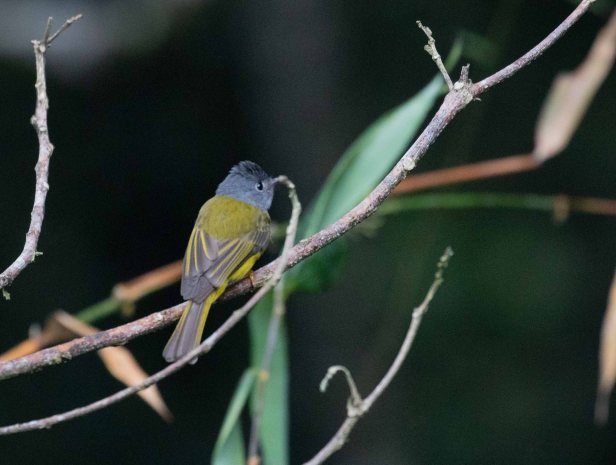
We also saw a Great Hornbill flying high up in the canopy. To other side of the building was a Grey-headed Canary-Flycatcher.
With the rains coming in, soon we decided to call it a day. The night brought in very heavy rains. We wondered if any trees had been uprooted from the rains!
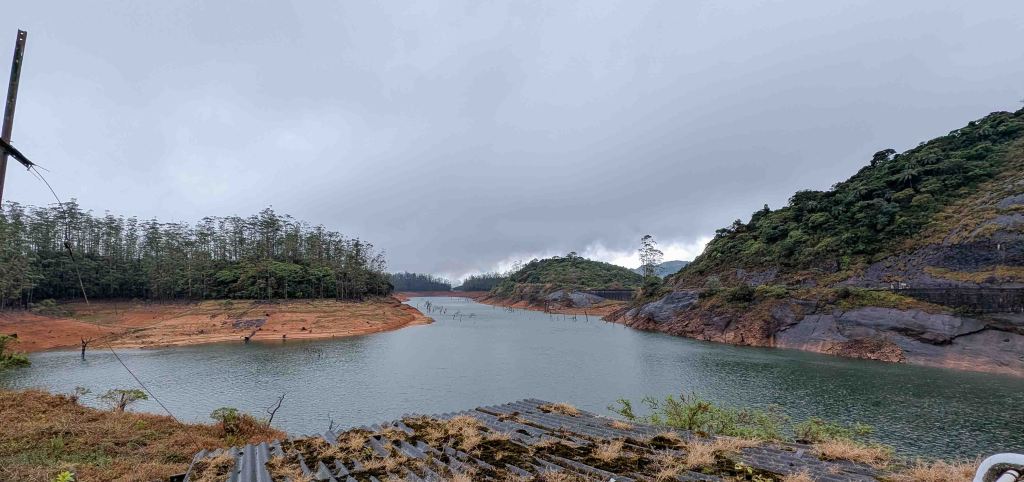
The next day morning, birding around the rest house till around 10am did not yield anything new, nor did the Laughingthrush show up again. So we decided to head up to the dam. Birding around the dam and the area around it also did not yield us anything new. But we got some wonderful views of the dam. Here are photos from there:
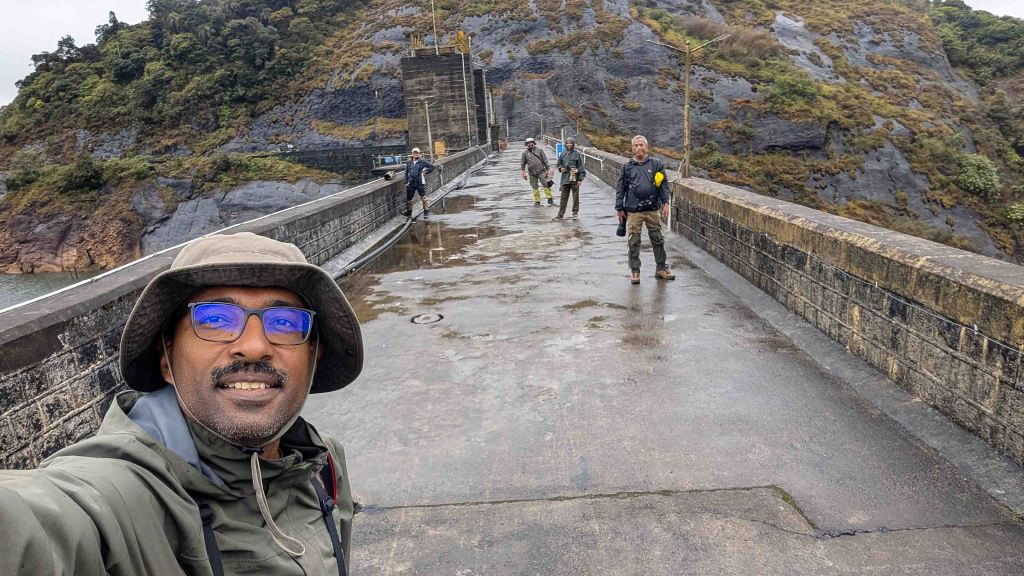
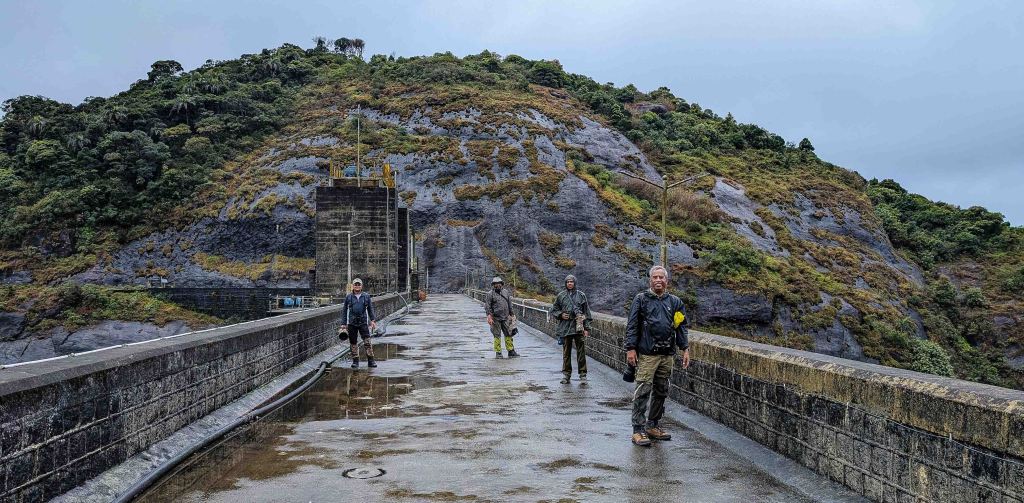
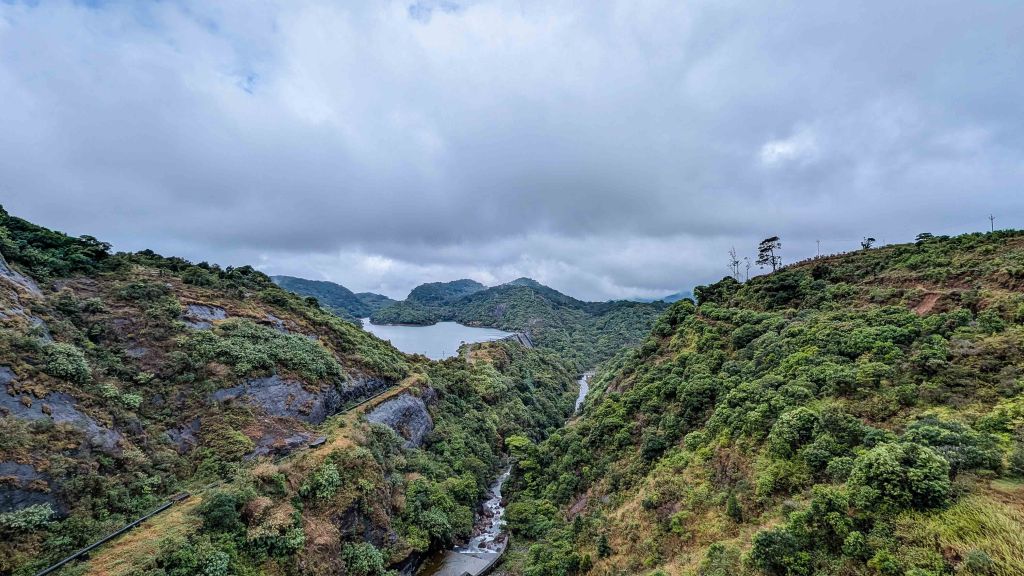
You can see from the pictures that the sky was completely overcast and it had rained.
Back at the rest house, given the rains and having sighted the main target, we decided to head back down to Thirunevali post lunch. And guess what we saw post lunch again? Yes, the Ashambu Laughingthrush again in the same trees outside the rest house!
We started our journey back down around 3PM. There were more rains coming in and we wanted to avoid getting stuck owing to any trees falling onto the road. We had heard about it happening from the forest guards already. Thankfully we did not face any hurdles reaching down, though there were several sections which had lots of water flowing on the road.
Here are some birds we saw during the drive down:
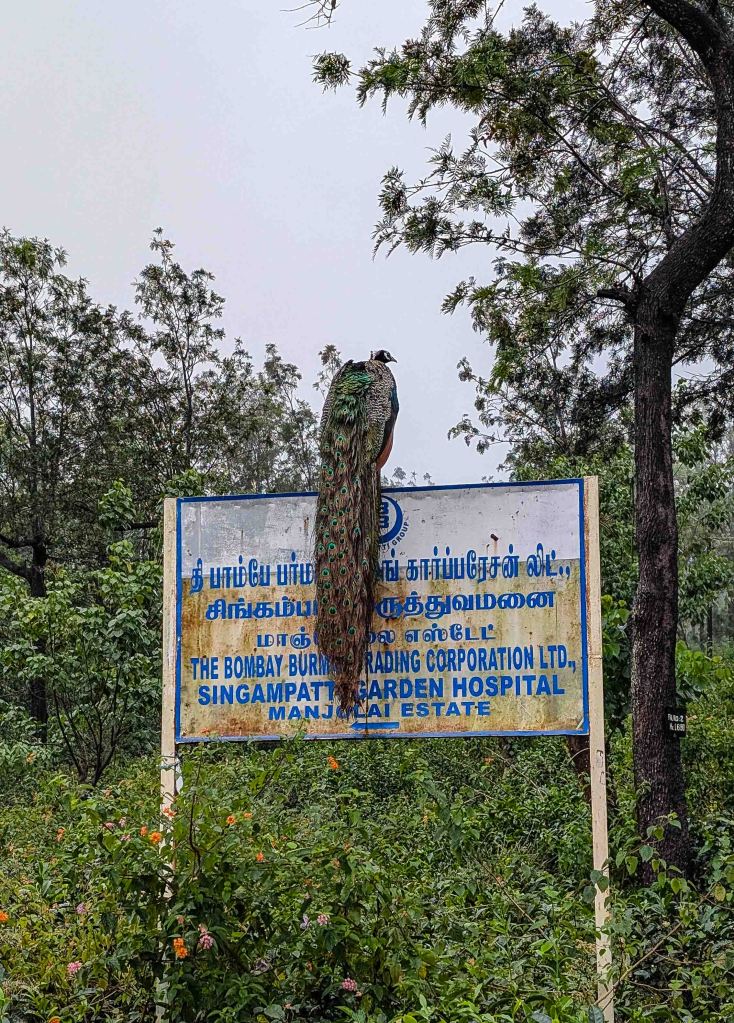
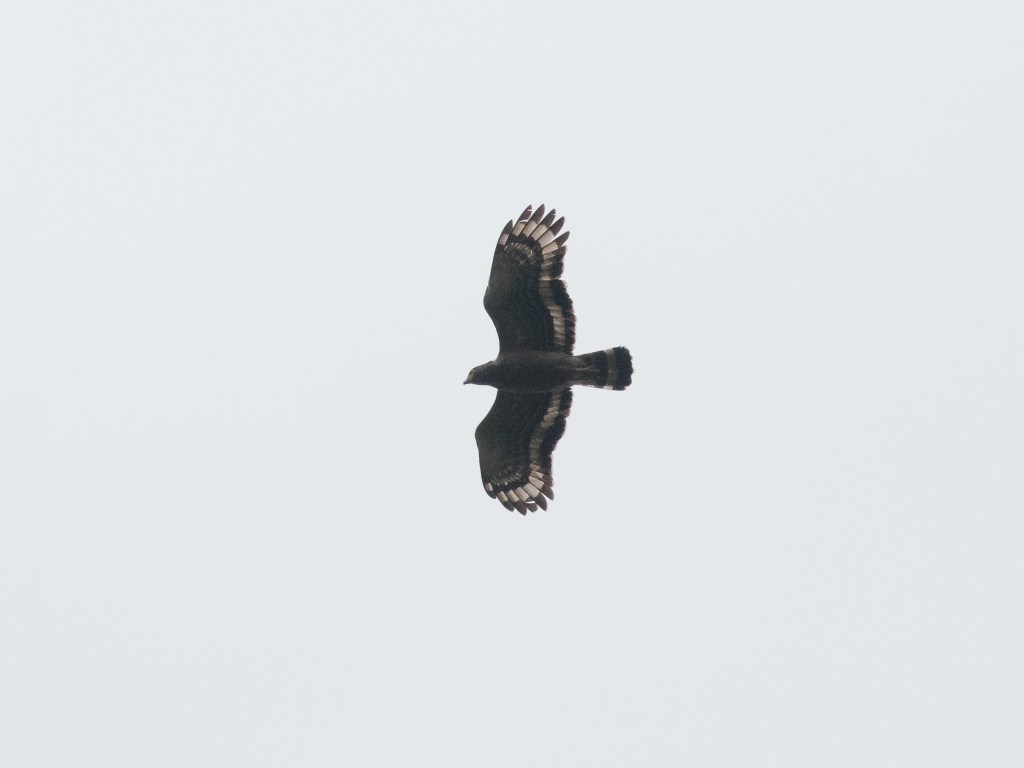
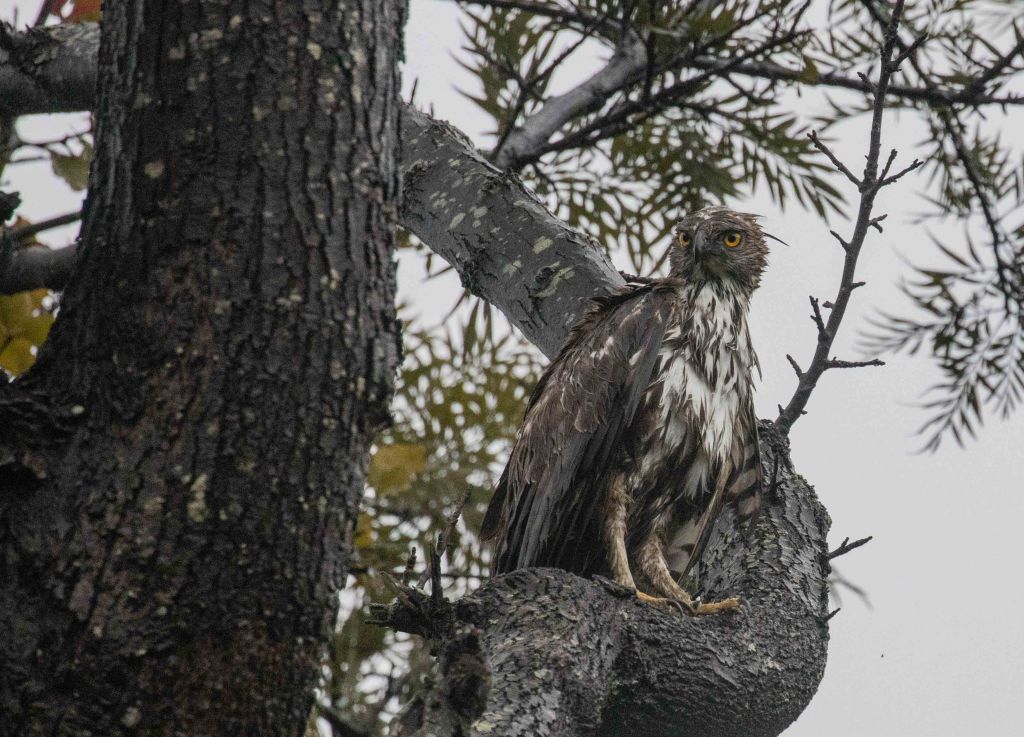
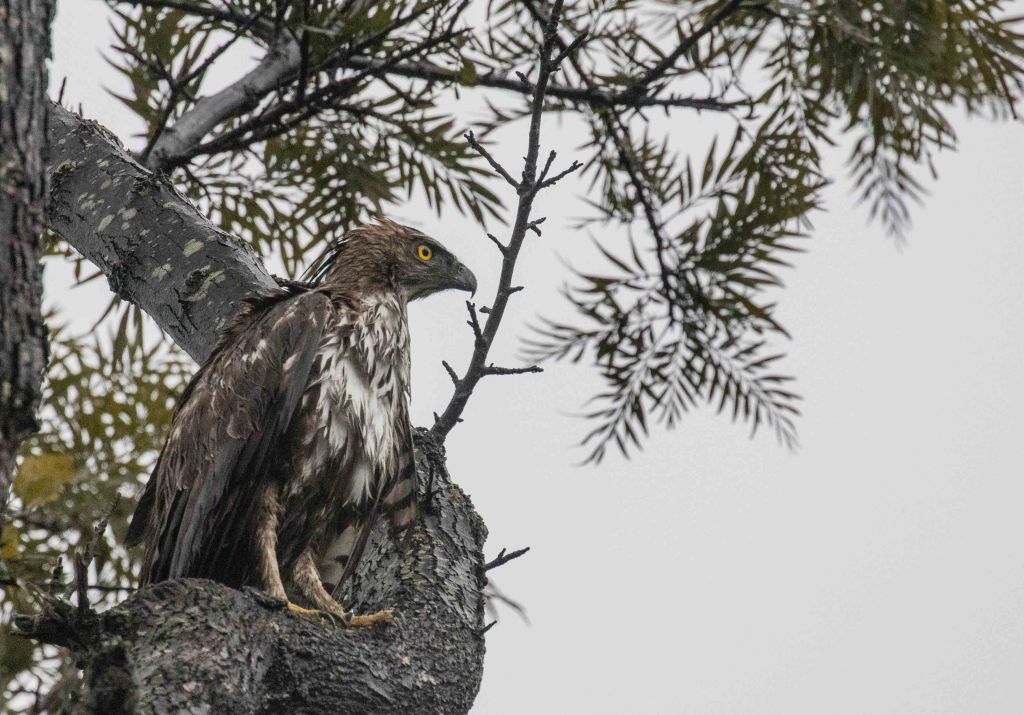
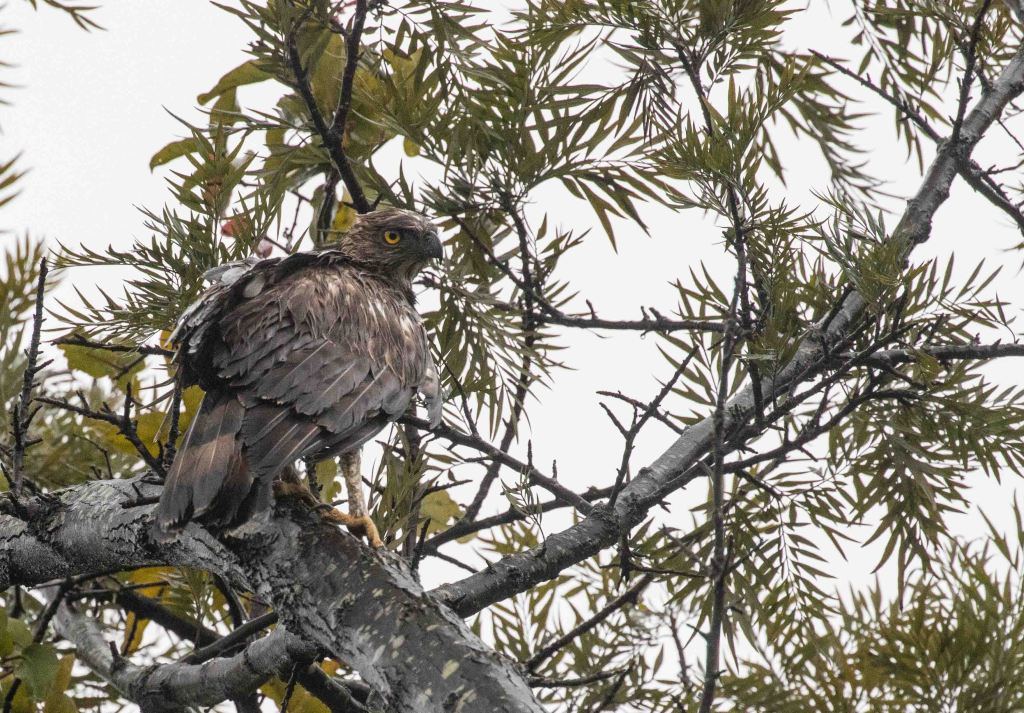
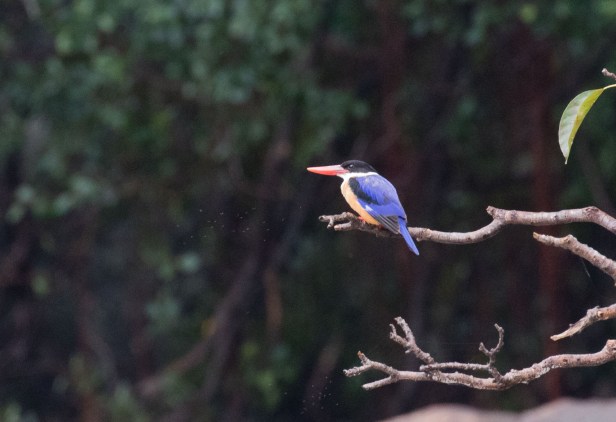
As we were to reach the forest gate, we noticed a Black-capped Kingfisher from a bridge.
Once at the hotel for the night, we discussed what we were to do the next day. Our train back to Bangalore was only in the night. So we had the whole day to ourselves. So we decided that it was worth trying for the Caspian Plover the next morning. And that is what we did.
Rahul was not feeling well and decided to stay back. Albin had already seen the bird in Kerala. So it was just Dhanapal Sir, Sudip and I. We hired a private vehicle to take us to the Vijayanarayanam Tank. That was where the birds were being sighted on the days before our arrival. Sudip’s attempt to spot them on the first day of the trip had not been fruitful. We just hoped that there were still around 🤞.
We reached by 7am and started birding soon after. With all the rains, the lake bed was all muddy. And the lake bed was huge! So deciding where to bird at was the first decision to make. There was water to the eastern side of the lake. The northern side and north western side was dry. That part was being used as a grazing patch for goats and sheep, as per Sudip’s first visit. We decided to try that part, given the chance of Plovers feeding there.
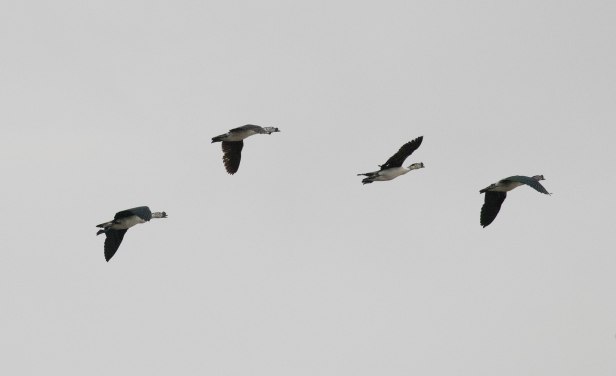
There were plenty of waders and water fowl to be seen. At a distance we also saw some Knob-billed ducks. They soon took flight.
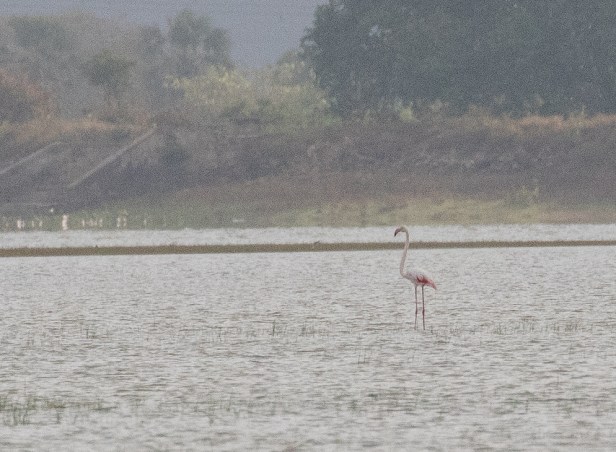
We also saw plenty of Bar-headed Geese in the water. There was a lone Greater Flamingo too.
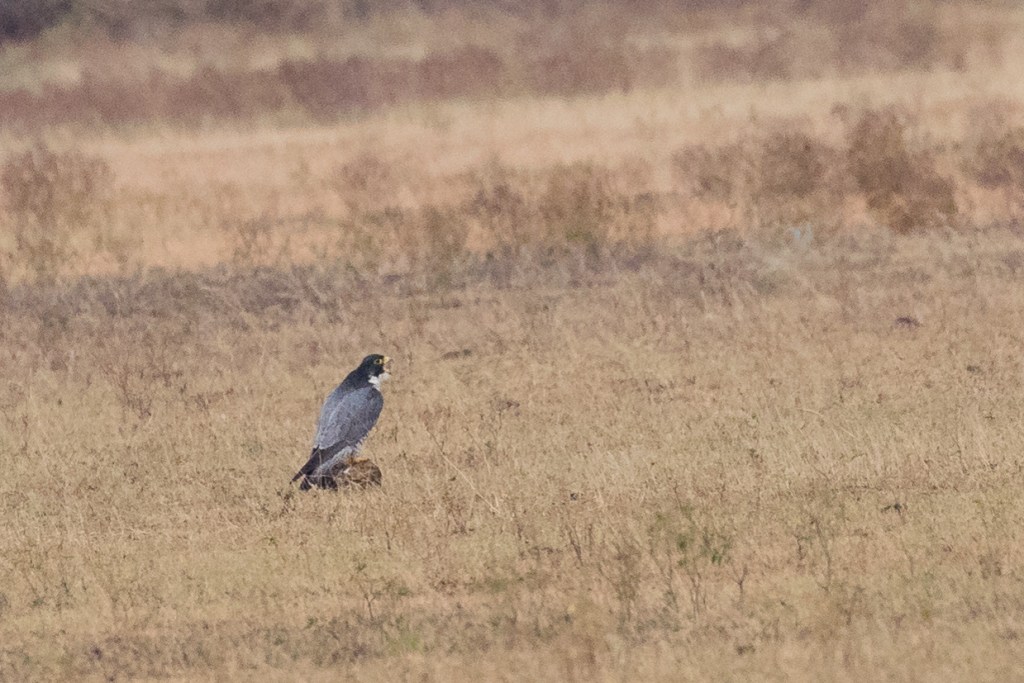
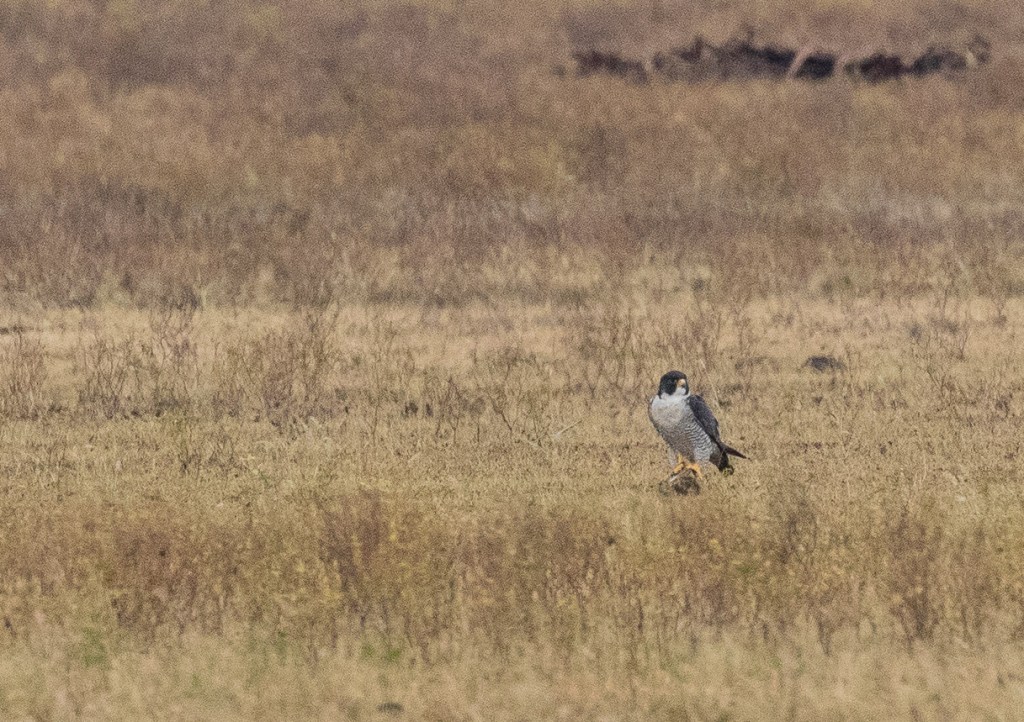
We saw lots of Little-ringed Plovers foraging on the dry patch. We slowly started walking towards to them. It was logical to think that our target could be among them. We soon noticed a raptor perched on a rock at a distance on the ground. It turned out to be a Peregrine Falcon!
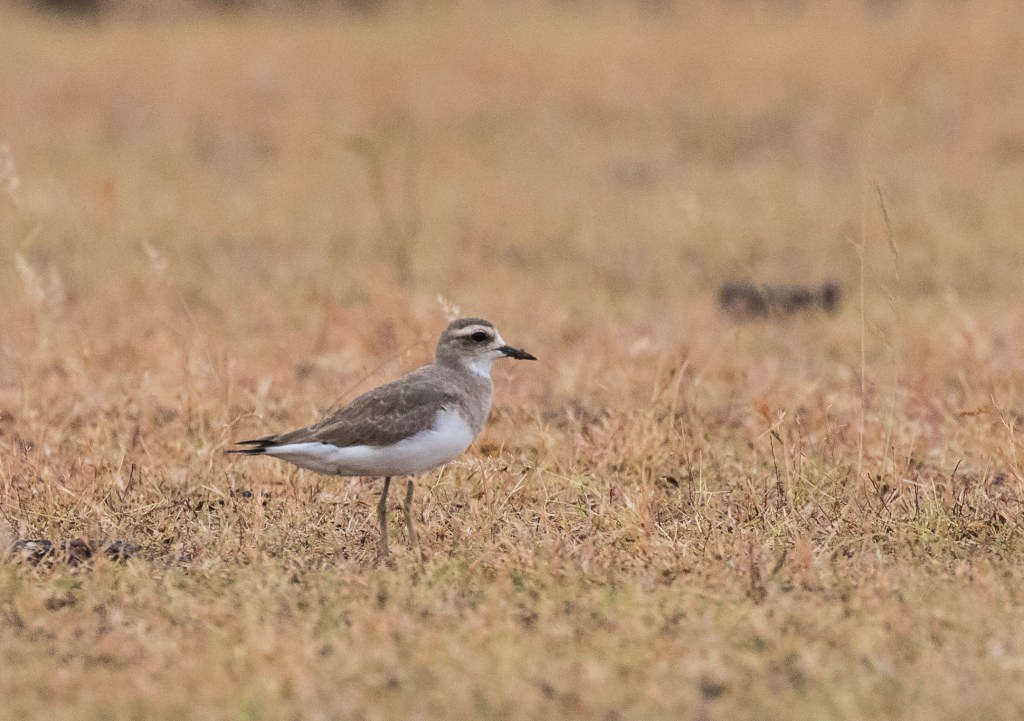
Once near the area we were targeting, we were thankful that the cattle had not yet come for grazing. There were plenty of Plover groups feeding. We split up and started scanning the different flocks of Plovers. 5 minutes in and Sudip called out; Caspian Plovers had been sighted 🤩! Here are the first few photos of them as they went about feeding:
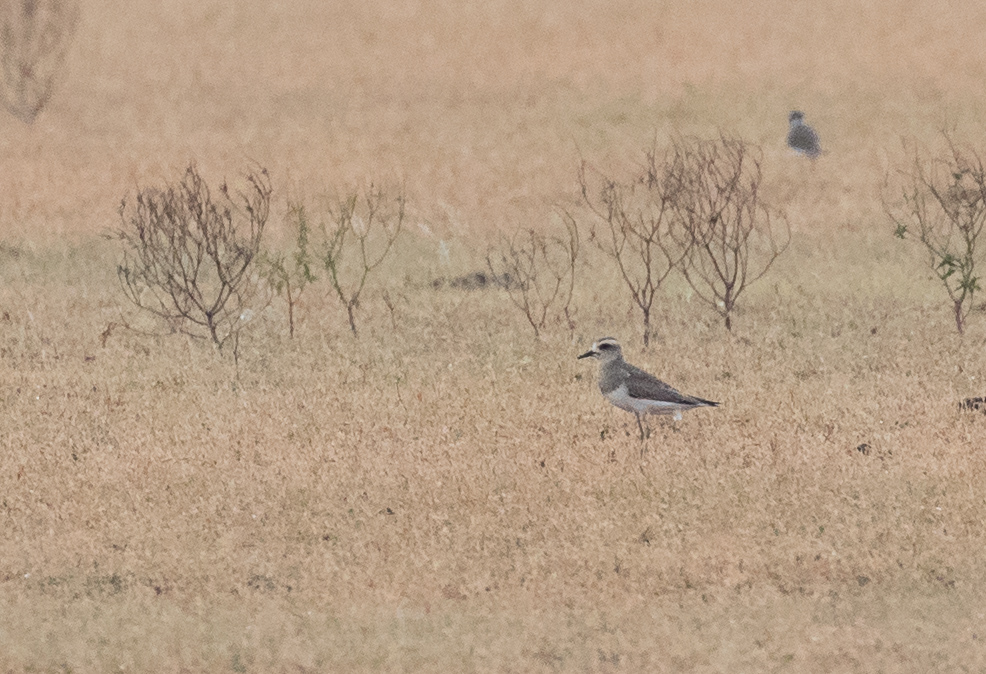
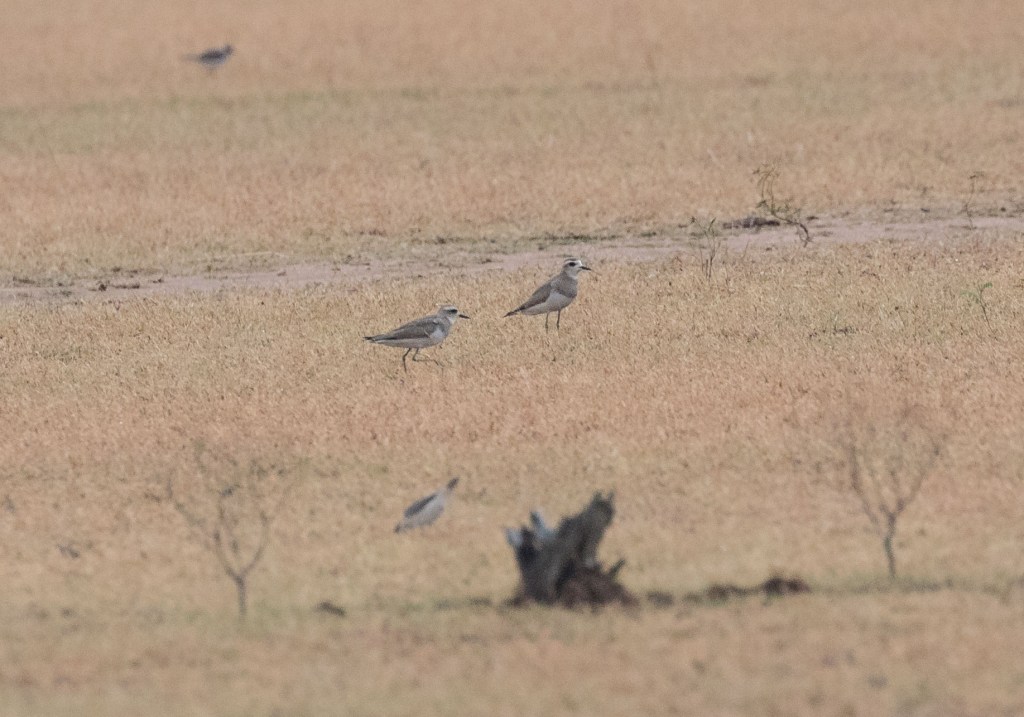
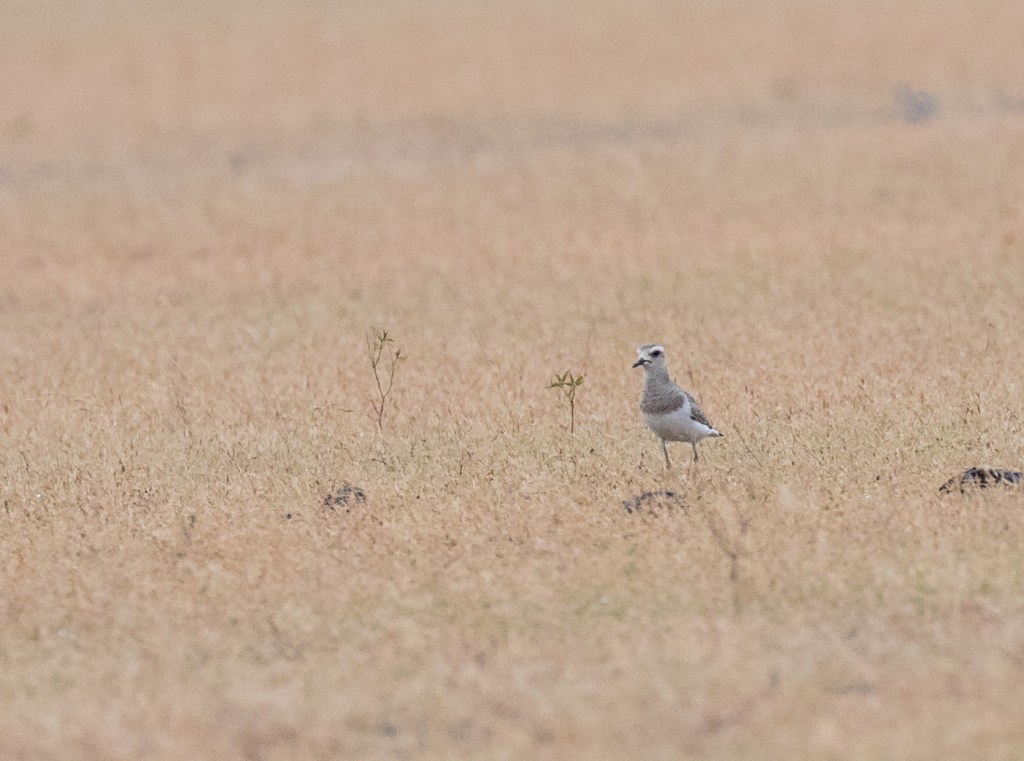
There were 3 of them. All were actively feeding. We decided to wait at a spot a bit away. Soon the flock of Plovers started to slowly move in the direction that we were sitting at. Here are some pictures that we took while waiting from there.
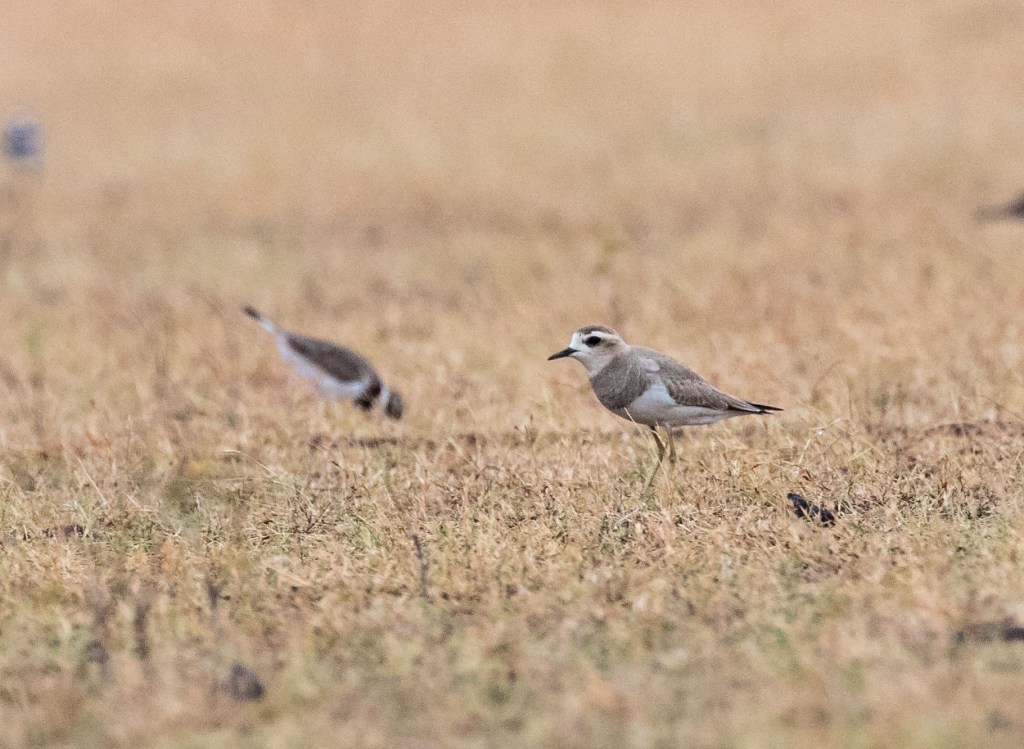
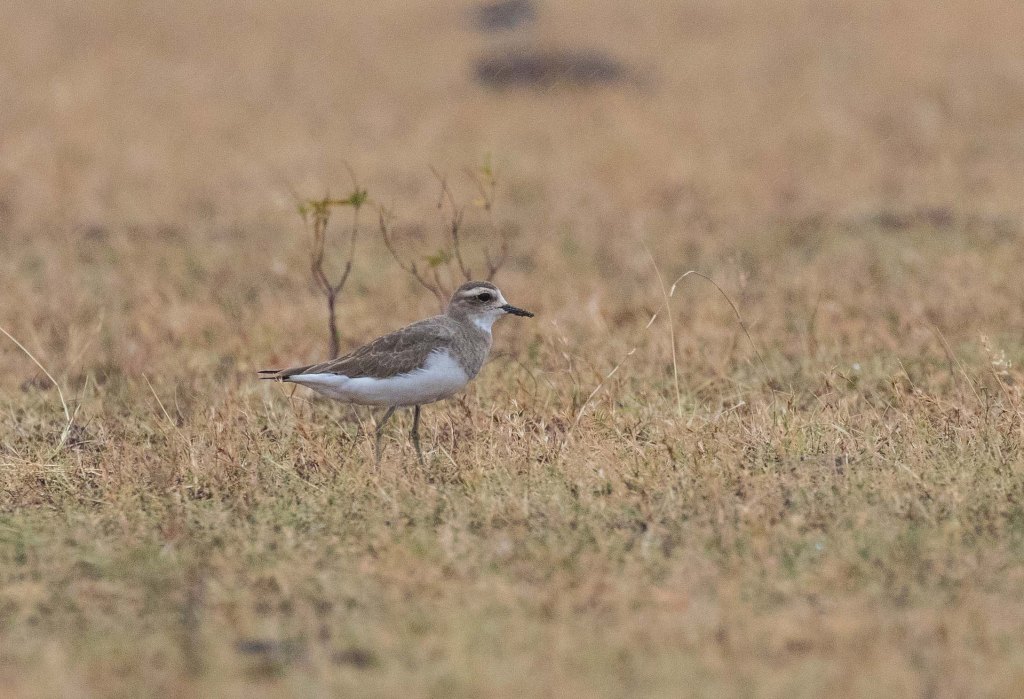
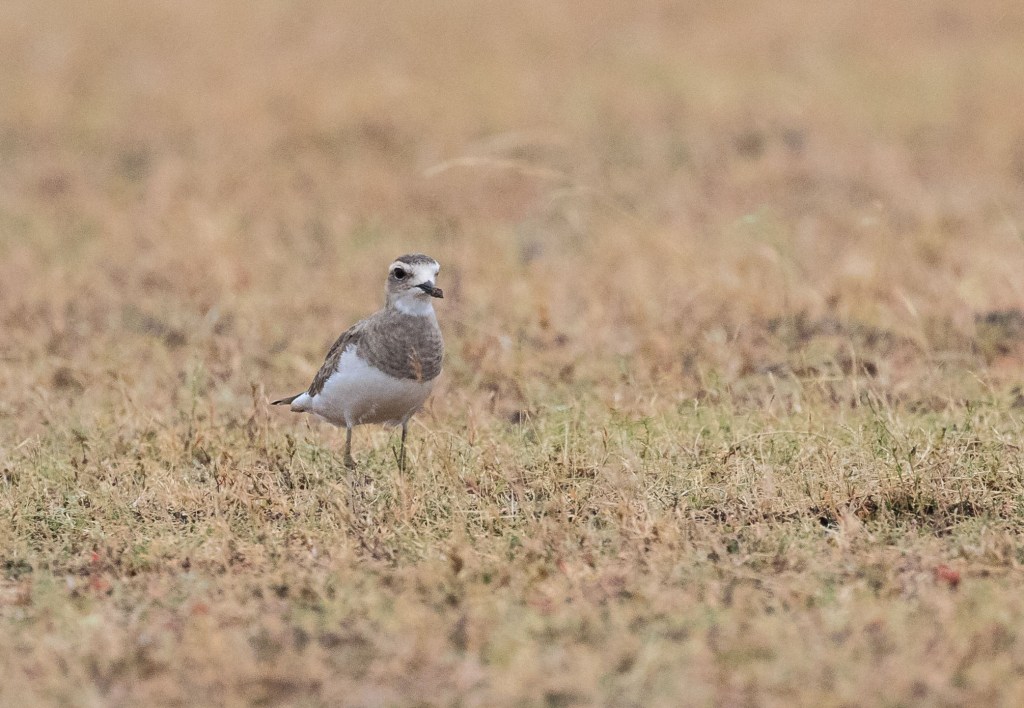
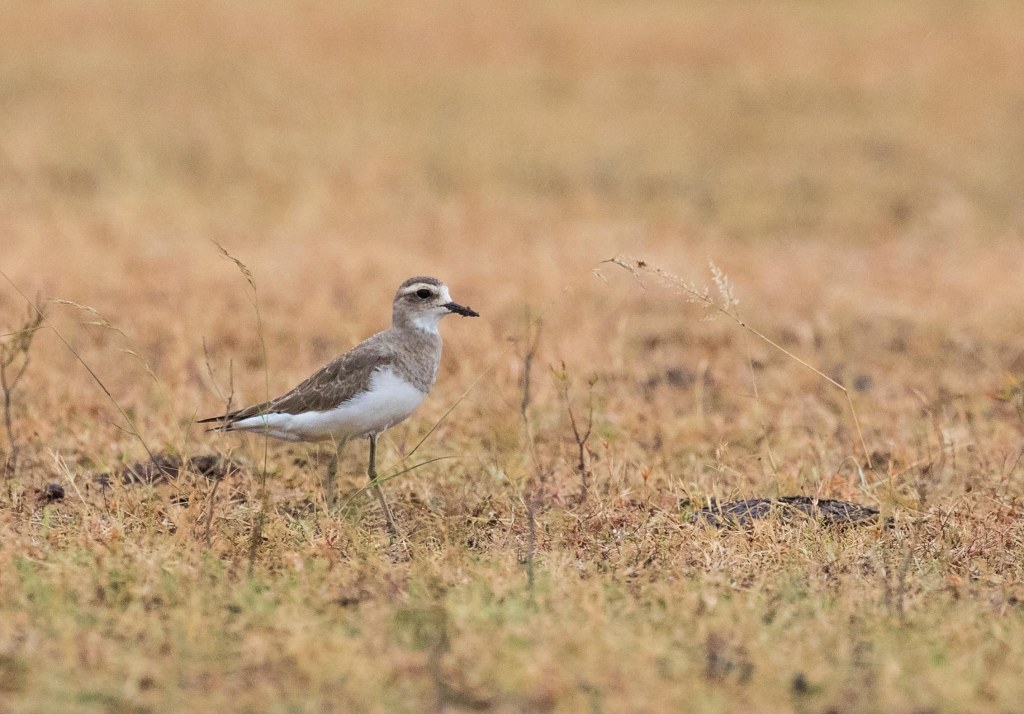
We called Rahul to tell him about the sighting. He too decided to hire a can and come to the lake. No birder was going to miss a chance to get a lifer; that too a vagrant 😄!
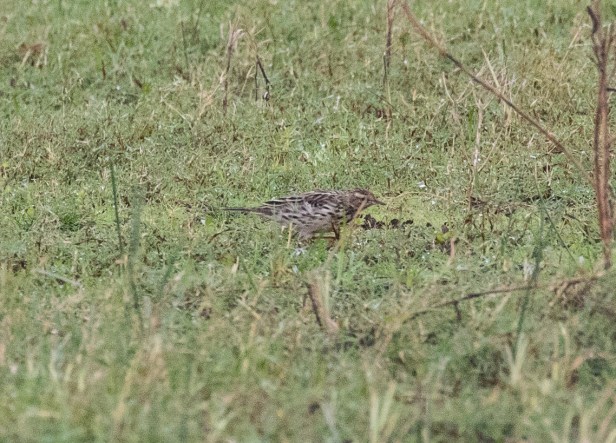
Since it was going to take him around an hour to reach, we decided to head out and catch breakfast. The walk back threw up a couple of surprises. The first was a Red-throated Pipit feeding in the grassy patch.
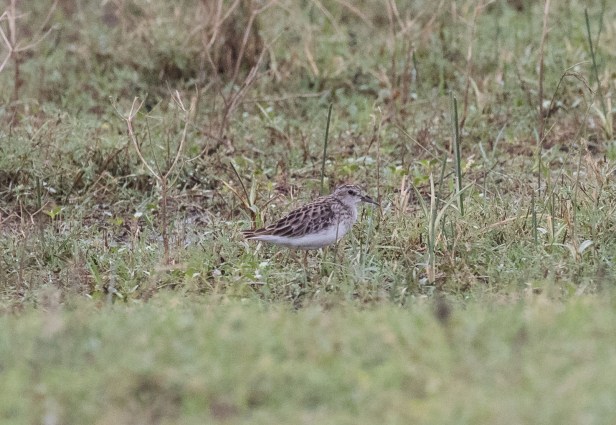
The other was a Stint. I had dismissed it as a Little Stint in the field. But looking at the picture back at home in preparation for this post, it looked like a Long-toed Stint! Thank God I had taken a picture 😄.
Rahul finally joined us as we finished our breakfast. Back at the lake, we knew were to head to. It was not long before we spotted the Caspian Plovers again. There were still sticking with the Little-ringed Plovers but a bit more closer to the water. Again, we just stayed put at a spot. And they gradually came feeding towards us.
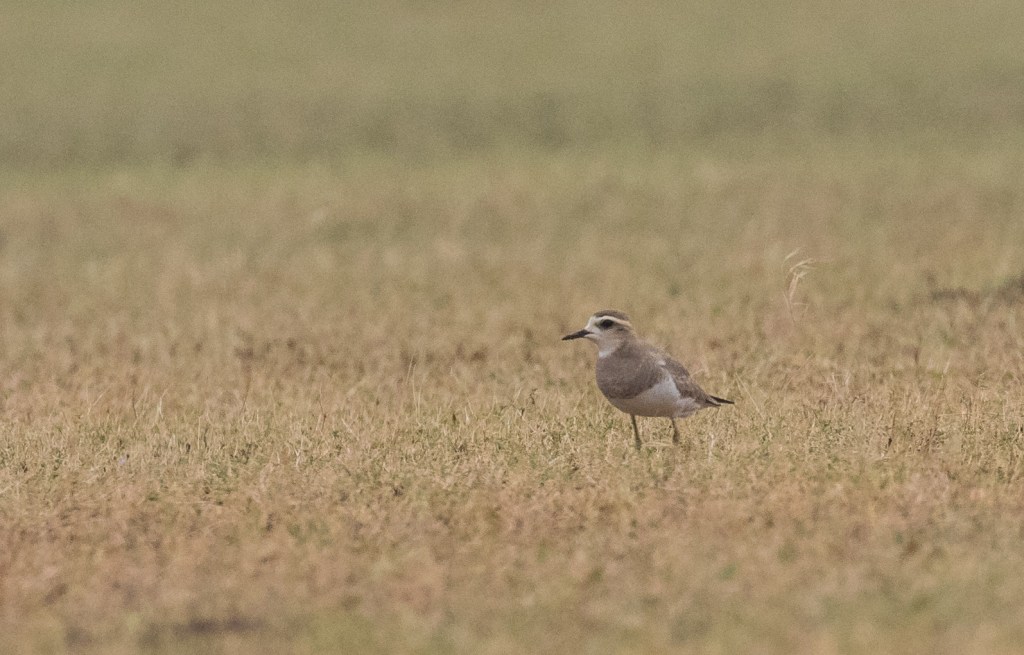
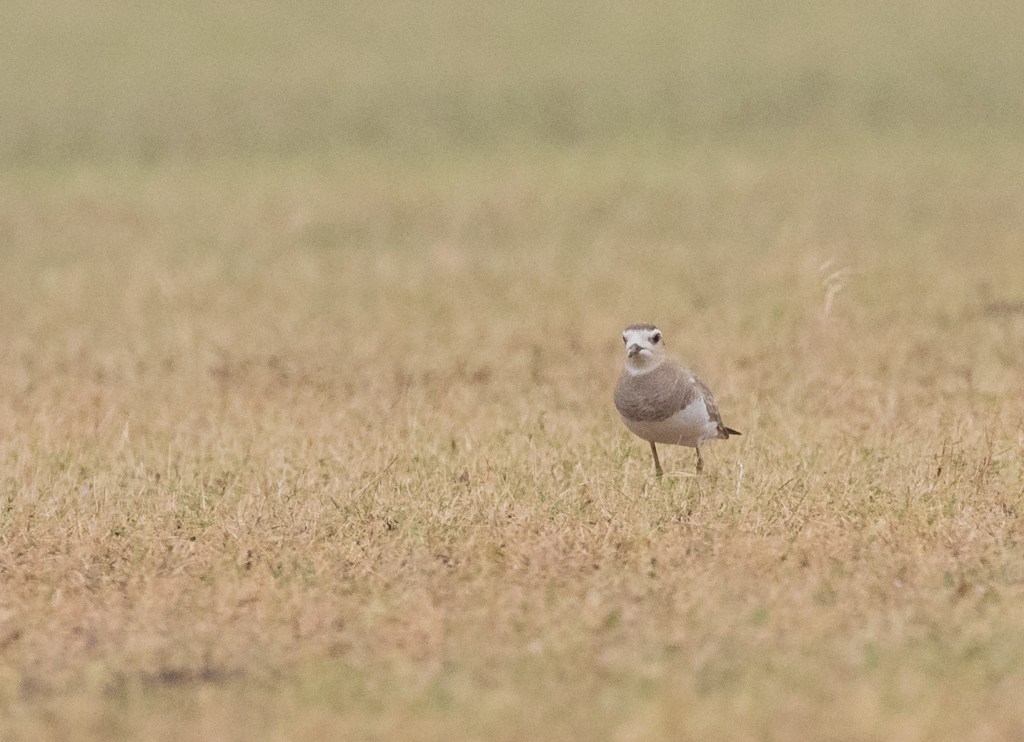
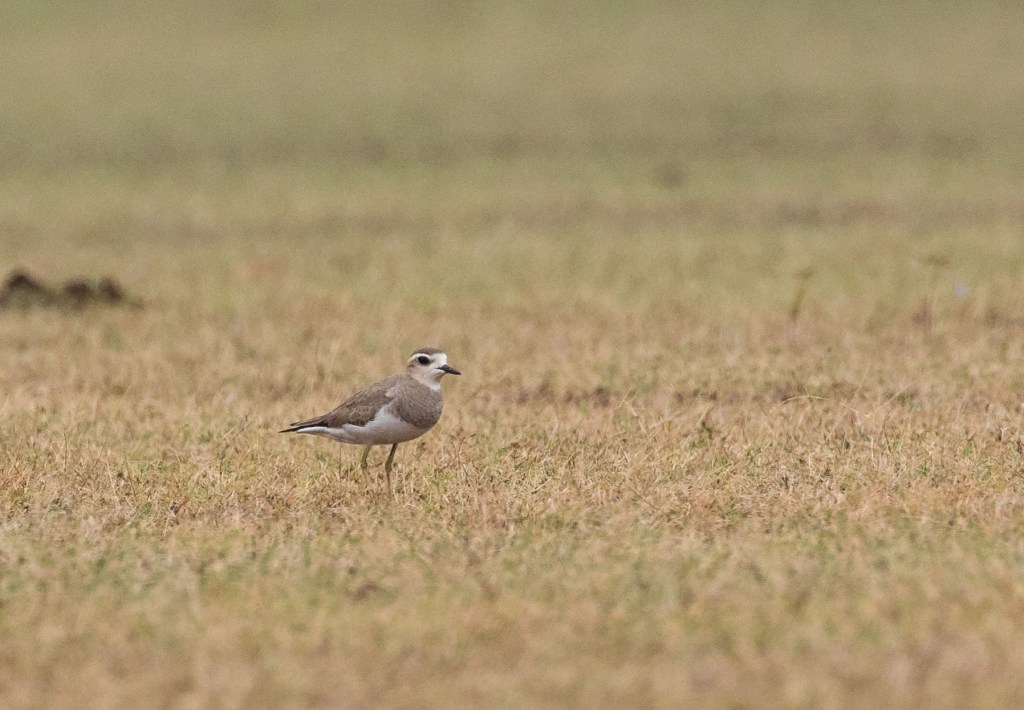
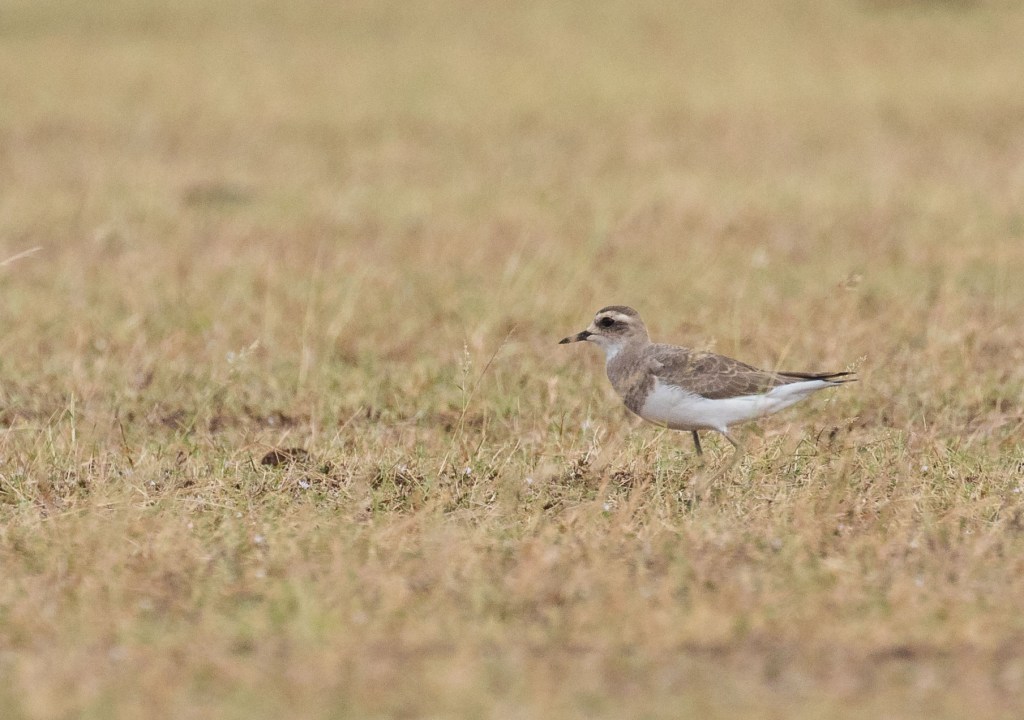
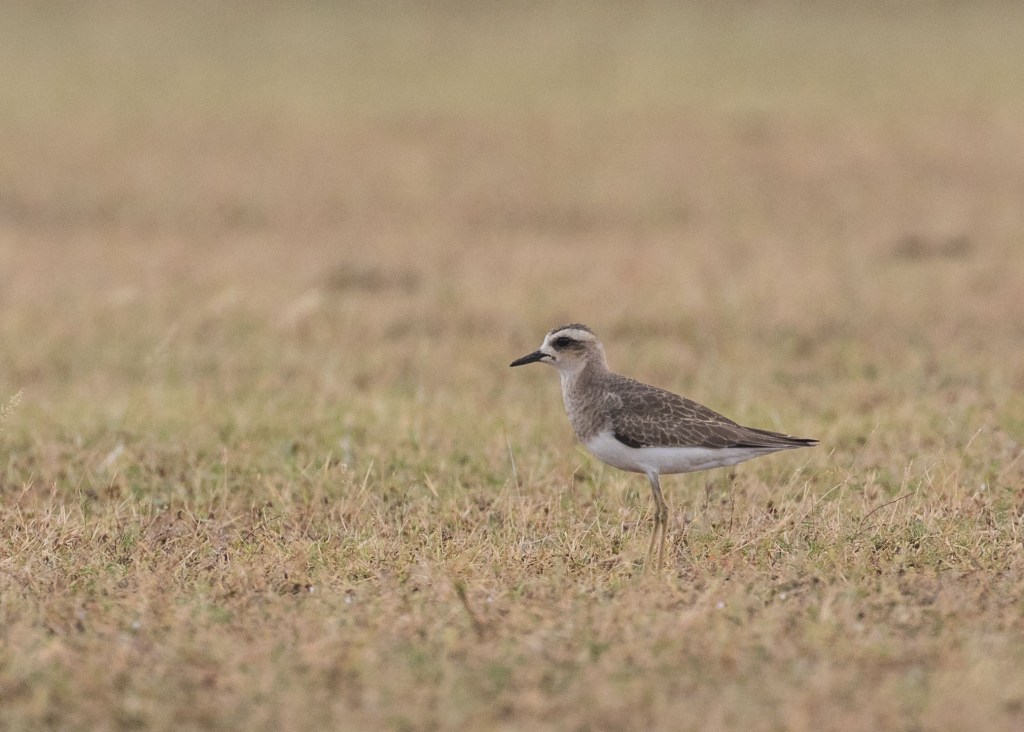
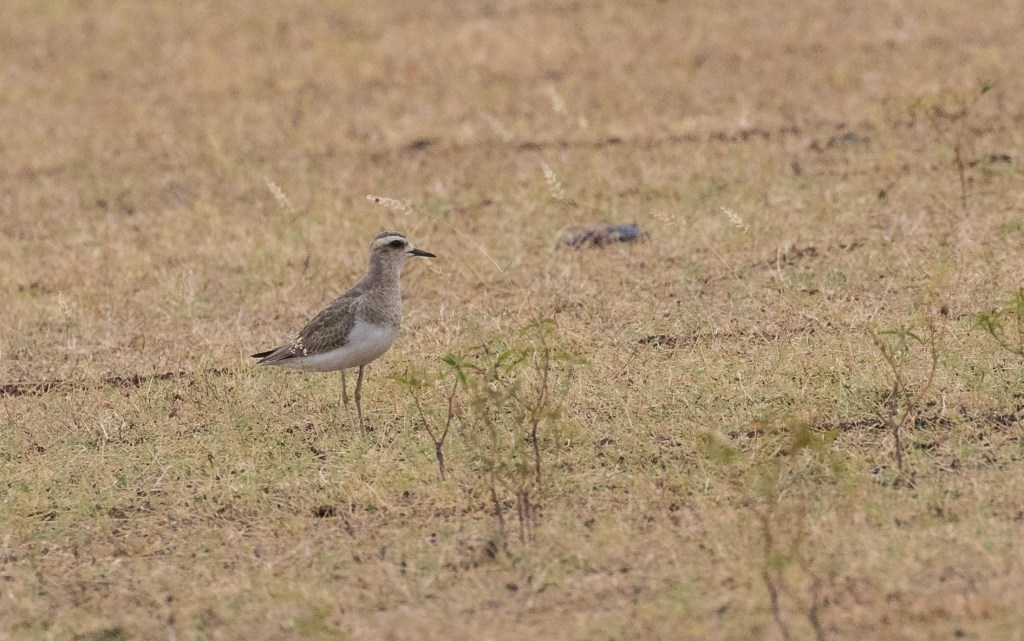
Here is a short video that I made of the Caspian Plover while feeding:
The rains were coming in again. So we decided to head back out. Here is a Barn Swallow that we saw perched on the ground; an uncommon sight 😃.
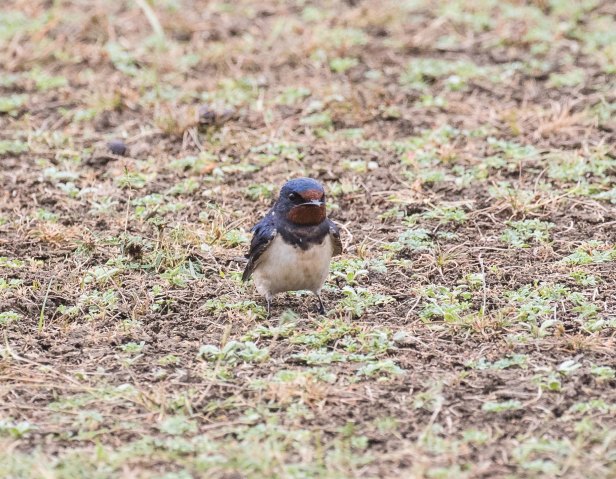
The rain picked up very quickly. With no shelter at all, by the time we got to the car, we were drenched. But none of us were complaining 😄, not after such a fruitful outing!
The rest of the day was spent just relaxing at the hotel. We finally started out journey back to Bangalore in the evening, catching the train back.


Amazing feat…great that you saw the bird on the arrival day it self and also you were able to see the caspian. congratulations.
LikeLiked by 1 person
Thanks a lot!
LikeLike