
I was contemplating on what I should write my next blog post on and it suddenly struck me that I had not written one on Hoskote Lake. Being a birder based in Bangalore, India, it can almost be considered a sacrilege if one does not include Hoskote Lake in a birding blog, given the popular status that it enjoys amongst birders in Bangalore. Technically Hoskote is on the outskirts of Bangalore or can also be considered as outside Bangalore. But who cares. It is still a great place to bird at and is fairly easily accessible from anywhere in Bangalore.
Hoskote Lake being a large water body, attracts a good number of water birds and waders in most years. Some of them that I have seen over the years include Spot-billed Pelican, Wood Sandpiper, Common Sandpiper, Green Sandpiper, Indian Spot-billed Duck, Gargeney, Common Teal, Eurasian Wigeon, Northern Pintail, Northern Shoveler, Little Grebe, Little Cormorant, Indian Cormorant and Great Cormorant.
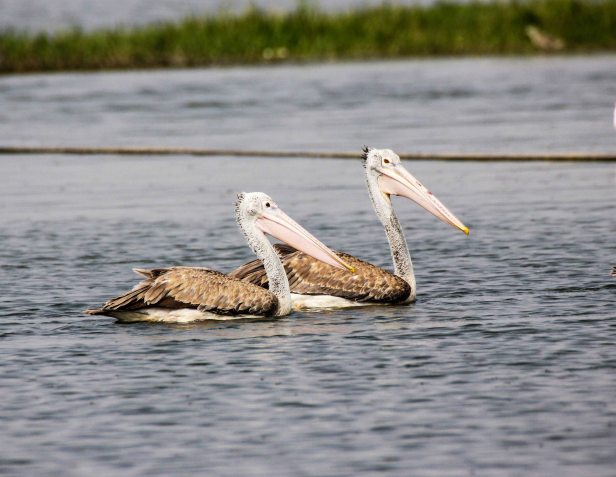

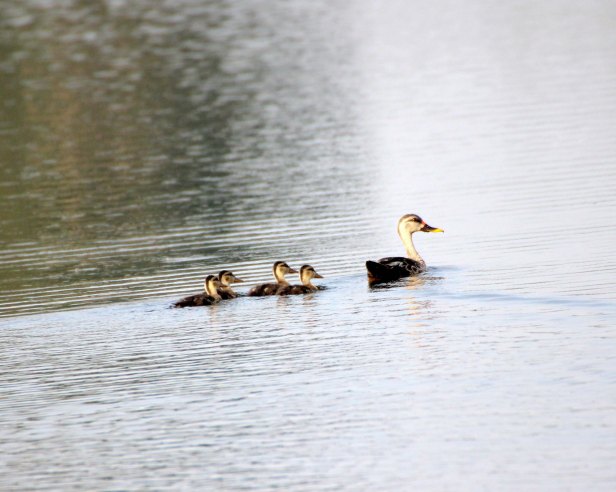

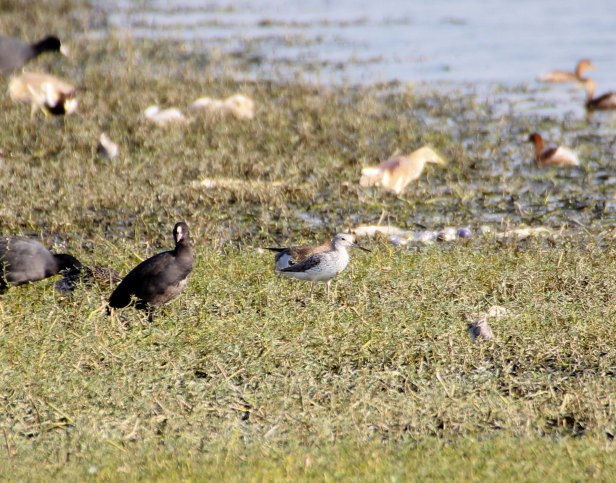

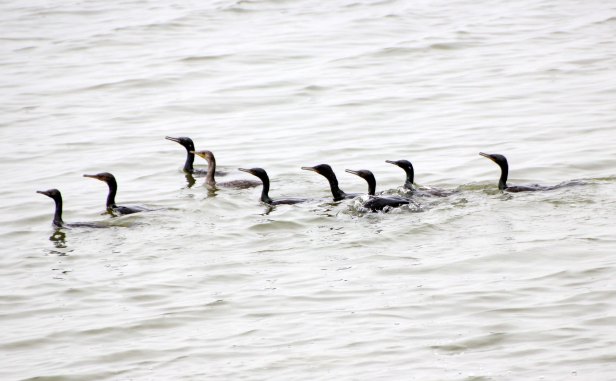
In a good year when the water level in the lake is right, one can see large flocks of several hundred visiting water fowl; a sight to behold!

On one occasion I had got to see a lone Common Pochard in the midst of Eurasian Coots, thus re-iterating the need to scan flocks with more attention as one cannot know what will pop up.

One of the years also saw the visit of a flock of Black-tailed Godwits. They are indeed an interesting watch with their long thin bills.

It is not just for the migrants. There are always the ever present residents like the Grey Heron, Purple Heron, Indian Pond-Heron, Cattle Egret, Little Egret, Intermediate Egret and sometimes Great Egret and Striated Heron.

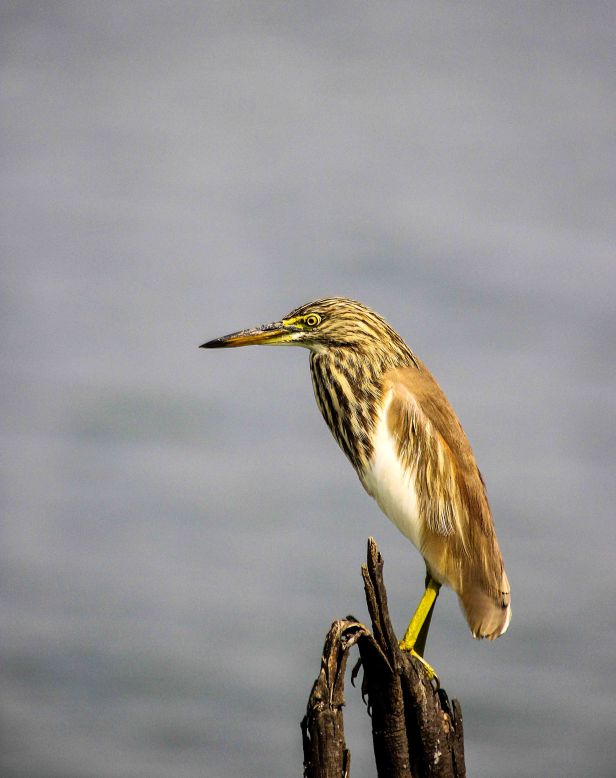


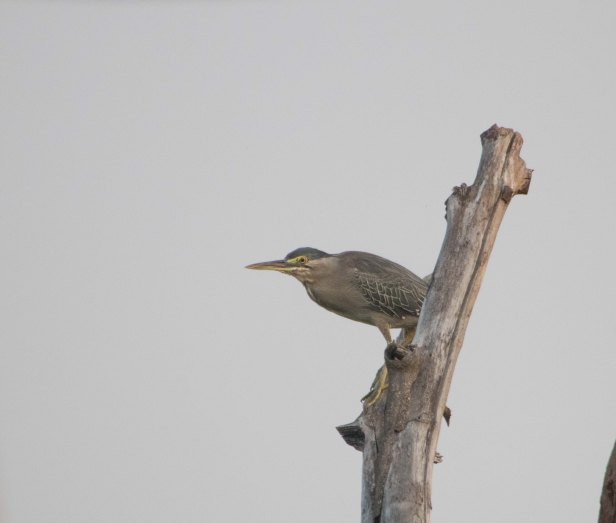
Look out and you may be surprised by the presence of a Western Reef Egret occasionally.

Where there is water and fish, there are bound to be Kingfishers! Here one can get to see the Pied Kingfisher, White-throated Kingfisher and Common Kingfisher.


There are patches of grass, water plants and shrubs on all sides of the lake. These form good places to see birds like the Grey-headed Swamphen, Glossy Ibis, Black-winged Stilts and Bronzed-winged Jacana.

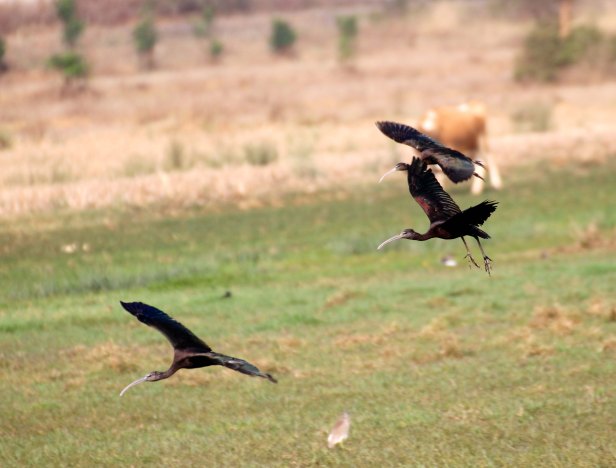


In the right season the terns, like the Whiskered Tern, come in good numbers.

There have been a few times when a Caspian Tern decided to show up.

The electric lines and the tree stumps at the temple bund side are good places to see perched swallows such as the Red-rumped Swallow, Barn Swallow and Streak-throated Swallow. It will usually be a mixed flock. So observe carefully.
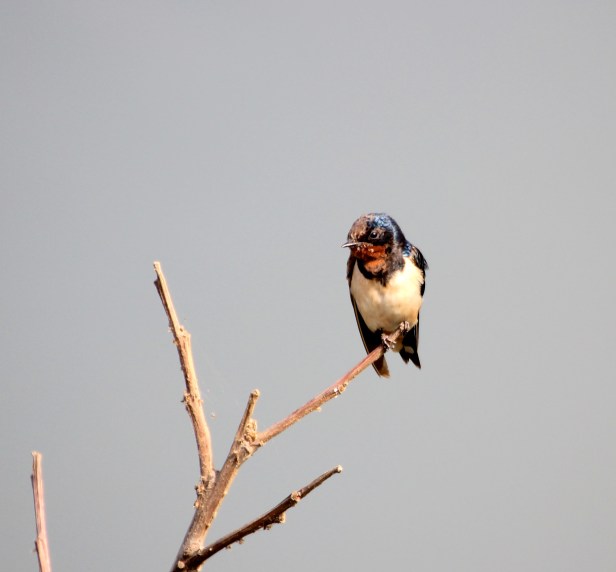

There are some good patches of reeds on the eastern and north eastern sides of the lake. These are usually great places to find birds like the Baya Weaver, Streaked Weaver, Bengal Weaver and Red Avadavat.
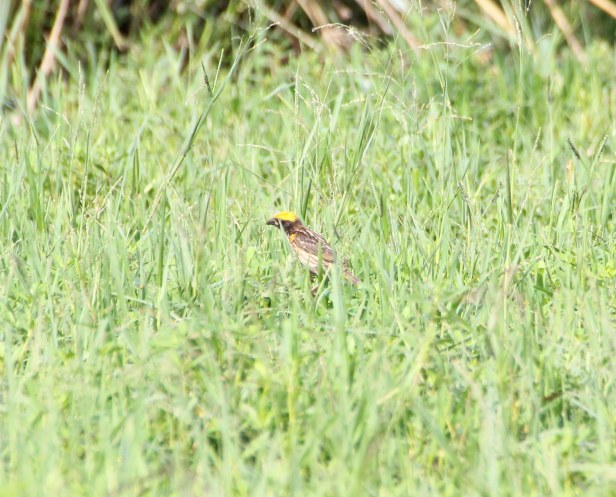

The marshy patches besides the reeds are where one may find skulkers like the Greater-Painted Snipes, Common Snipes, Yellow Bittern, Cinnamon Bittern, Black Bittern and Ruddy-breasted Crake.


This place also holds a breeding population of Clamorous Reed-Warblers. They can be quite noisy and active especially in the breeding season. So spotting them should not be too difficult then.

The other Warblers that commonly visit the lake are the Blyth’s Reed-Warbler, Booted Warbler and Sykes’s Warbler. The Cuckoos that are usually seen around are the Jacobin’s Cuckoo, Grey-bellied Cuckoo and the Common Hawk-Cuckoo.


But then you get the odd years (like in 2018) where it was a Cuckoo-fest. There were numerous Common Cuckoos using the lake for several days as a lay-over in their journey. It caused a lot of excitement for birders as they were given excellent views of these birds.
Almost all sides of the lake is surrounded by agricultural land. These are good spots to sight the White-browed Wagtail and various sub-species of the Western Yellow-Wagtail.

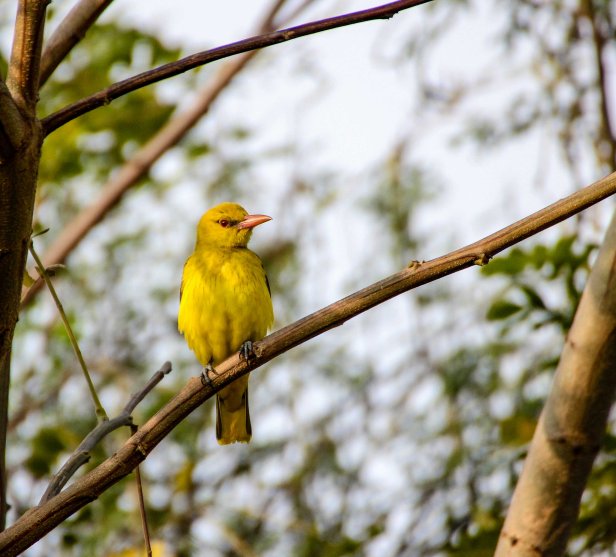
The north-eastern side of the lake (popularly known as behind Raghavendra Talkies) offers a more open space with several patches of agricultural land, reeds as well as many acacia trees. This is a good place to spot birds like the Pied Bushchat, Plain Prinia, Indian Silverbill, Oriental Skylark, Jerdon’s Bushlark, Tri-coloured Munia, Bay-backed Shrike and visitors like the Indian Golden Oriole, Common Stonechat and Brown Shrike.

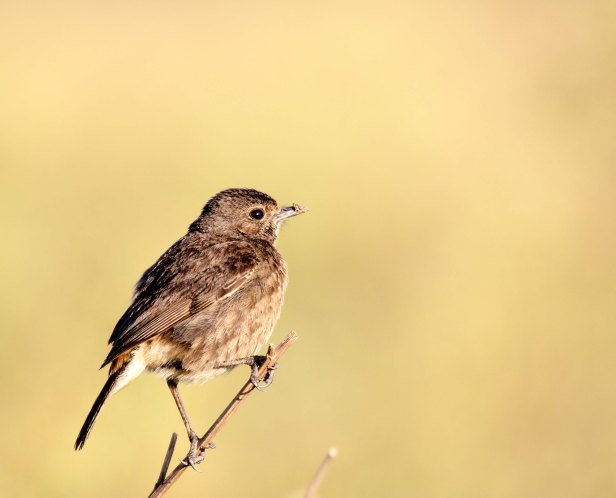

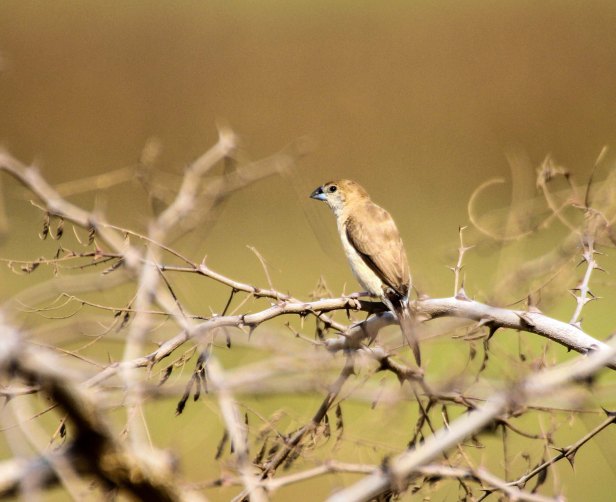

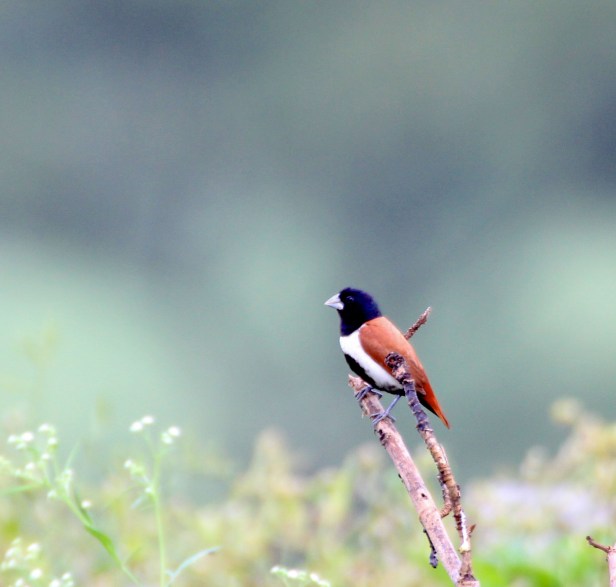


One may, if lucky, get to see a Bluethroat occasionally.

The acacia trees are usually where one can see the Hume’s Whitethroat during migratory season.

The Babblers found in the side of the lake are the Yellow-billed Babblers and Large Grey Babblers. Walking around can yield views of Woolly-necked Storks and the Asian Openbill.

The one that usually causes a stir when it comes, is the White Stork. This is probably the only lake around Bangalore where there are have been a reasonable number of sightings of it. It is where I got my first views of them as well.

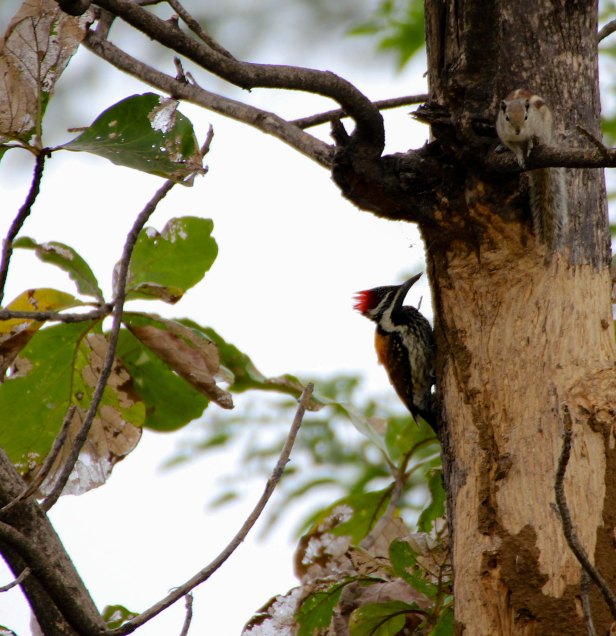
The only Woodpecker I have seen at the lake has been the Black-rumped Flameback. However I have only seen it once in all my visits. This was in the area behind temple side lake bund.
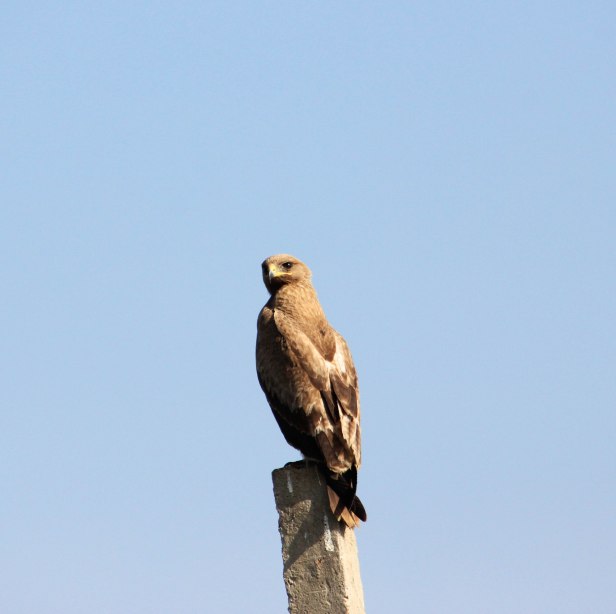
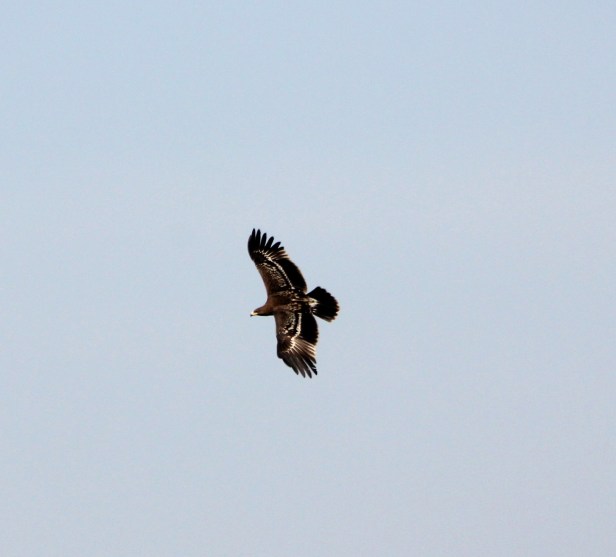
Having read so far one may be wondering “But what about raptors?”. Well, Hoskote Lake offers plenty of them! In fact it is one of the best places to see them around Bangalore. The raptors that I have seen almost every year have been the Western Marsh Harrier, Pallid Harrier, Indian Spotted Eagle, Greater Spotted Eagle, Tawny Eagle, Short-toed Snake Eagle, Peregrine Falcon, Shikra, Black Kite, Brahminy Kite and Black-shouldered Kite.




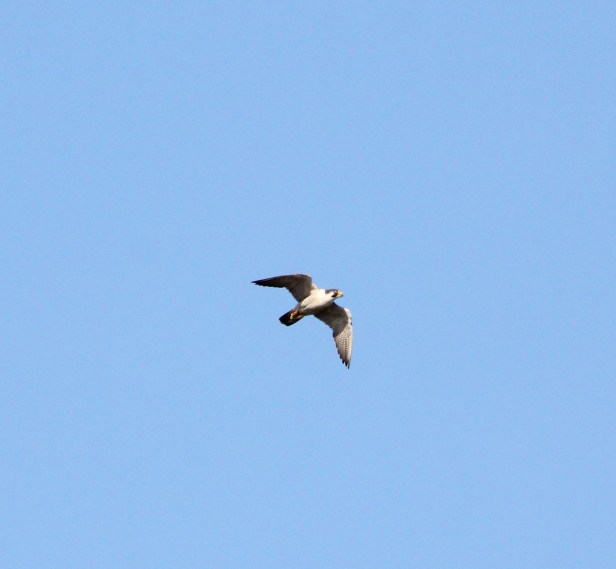
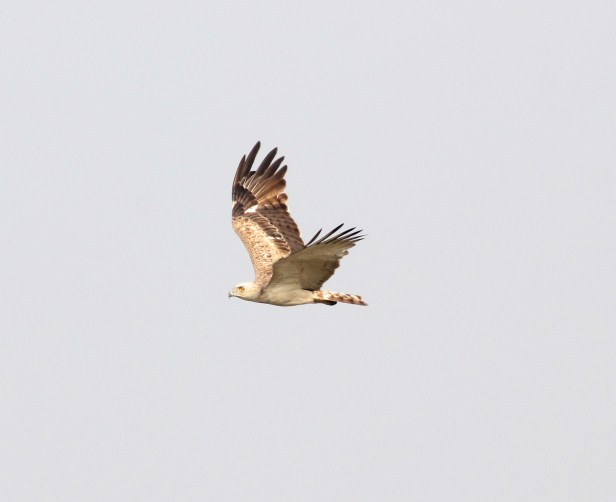

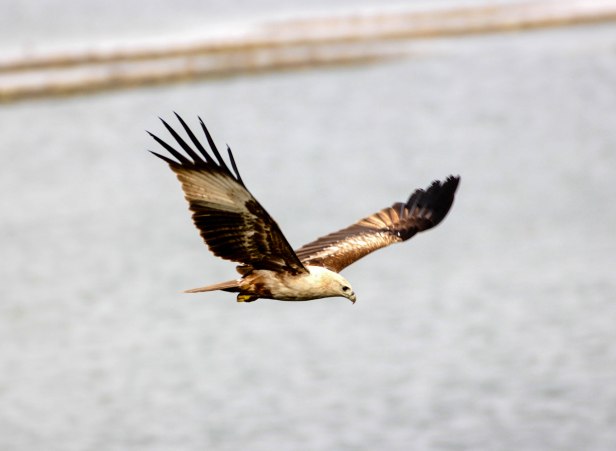


The most difficult and uncommon one for me has been the Red-necked Falcon. I have seen it once flying past over the reeds where the Weavers are usually found. I had, however got brilliant views of a pair on a coconut tree besides the road some distance away from the Raghavendra Talkies; my best sighting so far.

From all the above I hope you decided to make it one of the spots you would want to bird in Bangalore, if you have not already been there. During the migratory season one can easily get 70 different bird species in an single outing in case one covers most of the sides of the lake. So what are you waiting for? Go pay a visit.
Tips
Generally most bird watching starts at the temple bund side of the lake. From here you can get a good scan of the main water body with the comfort on being on dry land even during rainy season. There is a pathway made on the western side of the lake connecting the temple bund side to the western “shore”. It is worth exploring this as it may yield the occasional surprises like Buntings, Wryneck etc. during the winter. The stretch of trees and reeds as you go to the east side of the lake (i.e. towards the highway) is a good place to look for the visiting warblers. They however can be seen in almost all places around the lake. I would recommend visiting the reeds and farmland at the east side of the lake as well as the area behind Raghavendra Talkies.
If you are visiting during rainy season, the area behind Raghavendra Talkies as well as the east side of the lake gets mucky. Parts of the area may also get water logged. So wear gumboots if you can. This will let you wade into some parts and you would not mind getting mud on them 🙂 .
There are no good eating options nearby. So carry some food with you if you want.
Bird Checklist
You can find the birds that are seen at the lake here.
If you liked the post then click on the “Like” button below and do consider following my blog. I would also love to hear your thoughts. Maybe you have been to Hoskote Lake or have visited other nature rich spots that you loved. Do leave comments below to let me know.
 Mad about Birding and Travel
Pretty extensive list.. Good work!!
LikeLiked by 1 person
Thanks a lot
LikeLike
Great blog ! Great pics. One of my favorite places too… 🙂
LikeLiked by 1 person
Thanks
LikeLike
Awesome!!
LikeLiked by 1 person
Thanks
LikeLike
Wonderful documentation of the birds found here, with some great pics! Can’t believe I haven’t been there!
LikeLiked by 1 person
Thanks Adnan
LikeLike
Even though I live in South America, I’ve learned SO much about birding from your blog. It’s wonderful to have your excellent photos along with the informative captions. Thanks so much!
LikeLiked by 1 person
Thanks a lot for your kind words Henry. Being in South America, you literally live in one of the best hotspots for birds in the world. You SHOULD go out to see them, if you have not already starting doing so.
I thoroughly enjoy reading your blog posts. They are always give me food for thought and introspection.
LikeLiked by 1 person
This is a great post. I went today but could not find the lake – I saw a lake bed which was covered with vegetation. I want to ask you about this space when you have some time. Please let me know.
LikeLike
Thanks Bindu. Glad you liked the post.
I am surprised that you did not “find” the lake. It is a pretty big one to have got “lost” :-). I have not been there this year at all. So do not know if it has become covered by water hyacinth and hence looking different from its usual self. Aim for this “https://goo.gl/maps/ThpZh8CBQ8KG9CPZA”. This temple is on the temple bund. You will be facing the Hoskote Lake from here. Hope this helps
LikeLike
Which is the best time in the year to visit.
LikeLike
It is worth visiting throughout the year. But the period of Nov to Mar is will particularly give a chance to see the winter visitors
LikeLike
We were there this Sunday, our first visit to Hoskote lake. A lot of spot-billed pelicans. One cannot miss the lake but the water logged muddy approach road caused serious consternation. Whom should we alert to repair it ? We were certainly not the only people admiring this bird paradise. Now I’m looking for great telescopes and zoom lenses. Thanks for this blog post. I found it easily enough.
LikeLike
Glad you found the post useful.
For the approach road I suspect it is some rural department given that it is outside city limits
LikeLike
I was lucky to accidentally read ur blog. A very beautifully written( visualised) blog. I have never been here and can’t wait to visit this place. Thanks for the valuable insights
LikeLiked by 1 person
Ganesh,
Glad you liked the blog post. Hope the visit to the lake is enjoyable
LikeLike
Great Pictures.
LikeLike
Thanks Vijay
LikeLike
Itching to go to Hoskote Lake now! Really spent my time with this read…..Looking at each picture with wonder. Especially love the Purple Heron and Pelican shots! Great post Thomas Uncle.
LikeLiked by 1 person
Thanks Ishan
LikeLike
Amazing post!!! Thank you!
LikeLiked by 1 person
Thanks 😊
LikeLike
“There is a pathway made on the western side of the lake connecting the temple bund side to the western “shore”.
Great post. Your post inspired us to go out birding in Hoskote lake. We’ve been to this lake a few times now since November 2022, but couldn’t see any roads other than the temple bund side one. Are the other sides of the lake accessible now? Could you please post Google location for the other sides of the lake as well?
LikeLiked by 1 person
Thanks Nimitha. I have not been to bird at Hoskote for more than a year. So unfortunately I cannot comment since I do not know the latest situation.
LikeLike