
With the Eaglenest Wildlife Sanctuary leg of our birding trip completed, it was time to start birding in other areas. Birding around Sela Pass was to be the first of it.
Sela Pass is a high-altitude mountain pass that is between the Tawang and West Kemang districts in Arunachal Pradesh. It has an altitude of 13700 ft. We were not going to stay at Sela Pass. Instead we stayed in a hotel in Dirang Valley and drove up to Sela Pass to bird. We wanted to be near Sela Pass as dawn broke. So we commenced our journey from the hotel by 4:30AM. As we drove up, some of the birds that we heard enroute while it was still dark were the Grey Nightjar and Bhutan Laughingthrush. Dawn started to break slowly. As we passed through a section where there was construction work happening around the highway, we saw a bird perched on the guard rails; a male Black Redstart.
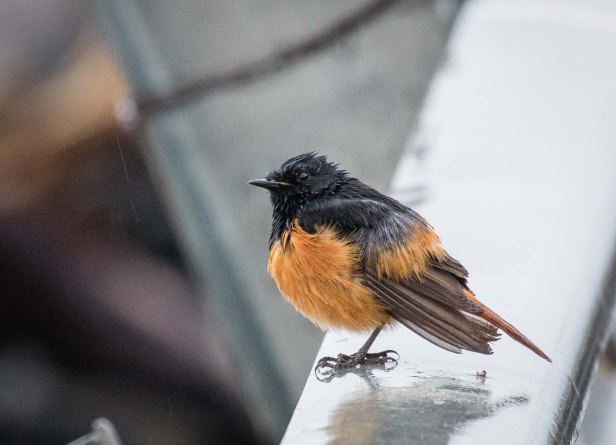
A few rocks further on was a White-capped Redstart and then an Accentor caught our attention. It was an Altai Accentor.

We got down from our vehicle and decided to explore the bushes on the slopes. There was a possibility to see Rosefinches. And indeed there were. We saw the Himalayan Beautiful Rosefinch and Himalayan White-browed Rosefinch. Sadly the weather conditions (misty) and the birds were non-cooperative as far as photographing them went 😦 . As we stood there we saw a flock of Snow Pigeons fly past quickly.
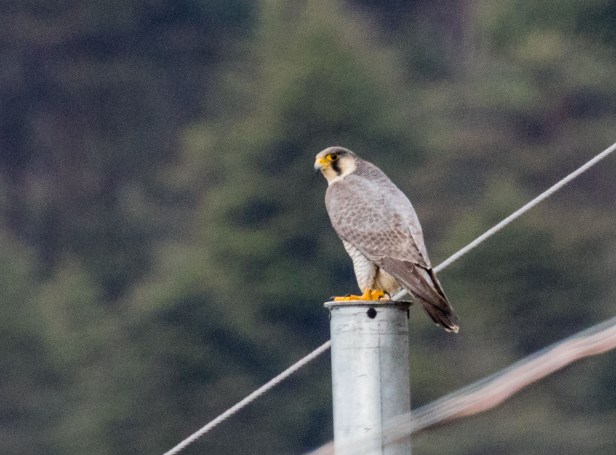
Soon we decided to move on as we wanted to head on in search of the Blood Pheasants and the Snow Partridges further up. There were better chances of sighting them early on in the morning. As we continued our drive up, we saw a raptor in flight. All of us got excited. “Could it be a Northern Goshawk?”, we wondered. But it was not to be. It was a Peregrine Falcon.
We finally reached the spot which had a good potential for Blood Pheasant. Shankar parked the car and the rest of us got off. We had a get of the road onto a path on the hill side. It was a bit tricky to walk and we had to so quietly so as not to spook any of the birds. We managed to and we were rewarded. There was a pair foraging and slowing walking down the patch in front of us. I somehow managed to get some photos and a video inspite of the odd positions we were standing on the path 🙂
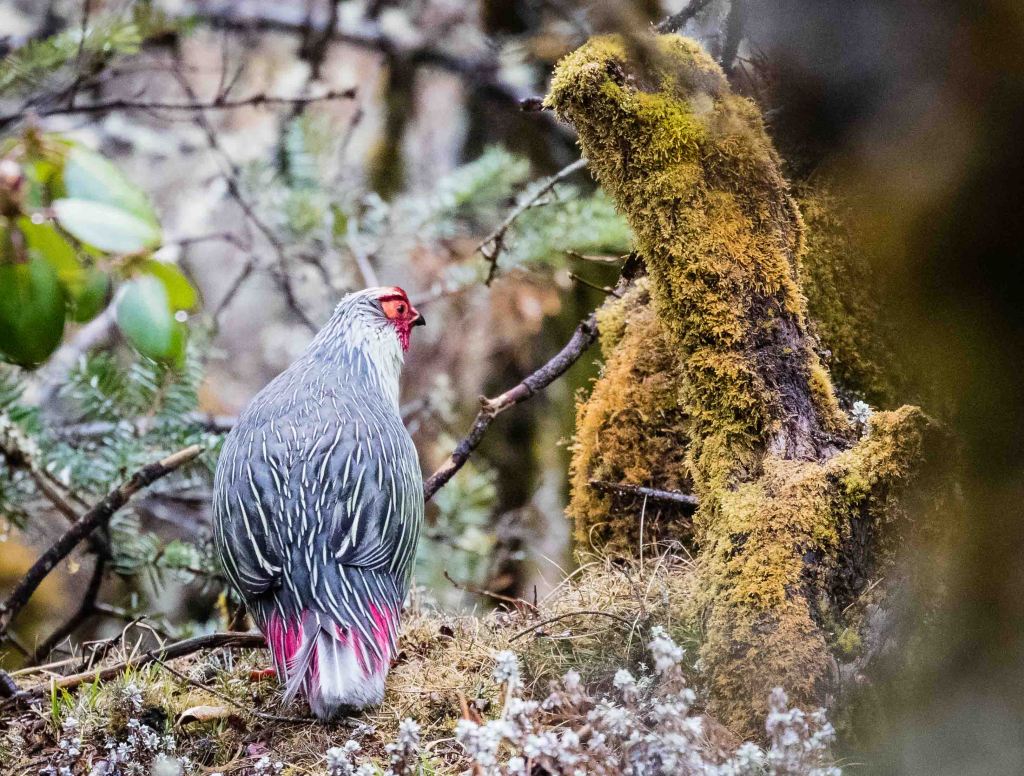

Make sure to check out the video later in this post to see it in action 🙂 .
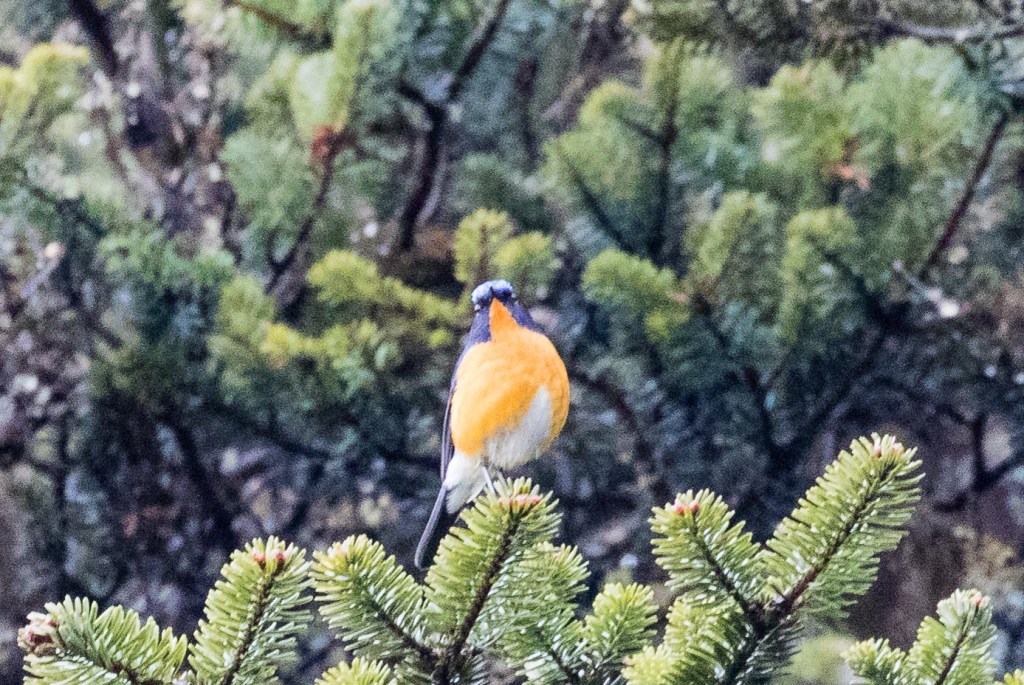
Back on the road near the car, that spot proved fruitful for some other birds too, some of them being the high on the “hopeful list”. Some of the birds that we got to see there included the Fire-tailed Myzornis, a Rufous-breasted Bush-Robin, a Fire-tailed Sunbird a female Himalayan White-browed Rosefinch and a Black-faced Laughingthrush.



Back in the car, we decided to head further in search of the Snow Partridge. We met success several bends up. We had to again climb onto the slope to see it properly. It was so well blended into the background.
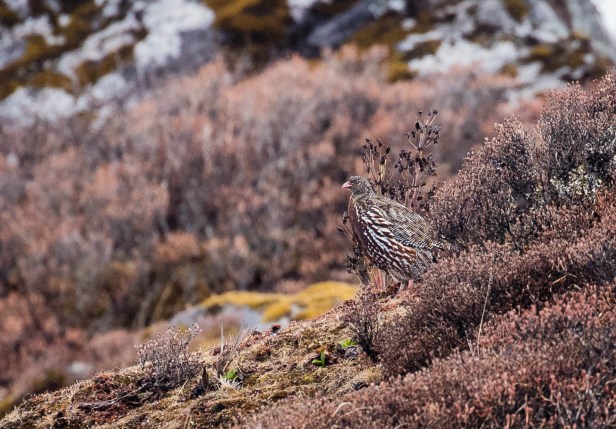
Happy with the sighting we got back to the road. A flock of birds swiftly flew past. They were Grandalas. Sadly they did not perch. We drove further up and finally the reached Sela Pass. There was dense mist at the Pass. We stood beside the lake and noticed a lot of birds flying around and then coming down to perch. They all turned out to the Red-billed Choughs.
It was cold and we were hungry. So we headed into a small joint to grab something. A drink of hot water and a bowl of hot Maggie Instant Noodles felt so good 😀 . We then headed back out. The mist had cleared. This time we got to see the Red-billed Choughs much more clearly.

As we started to walk back towards the car from the lake, I felt a bit dizzy. It was then it dawned on me that we were on a high altitude mountain pass where the oxygen levels were much lower. I had totally forgotten about this aspect and had not done preparations for it. My family and I had gone through higher altitudes several years ago (check out here). But then we had taken adequate preparations for it. I sat down hoping that it would improve. It did slowly. So we decided to walk down a path at the pass further away from the main road. Down this path we saw Rosy Pipits getting into their breeding plumage and some Blyth’s Swift flying high overhead. We hoped to see Himalayan Monal around the path. But it did not happen.
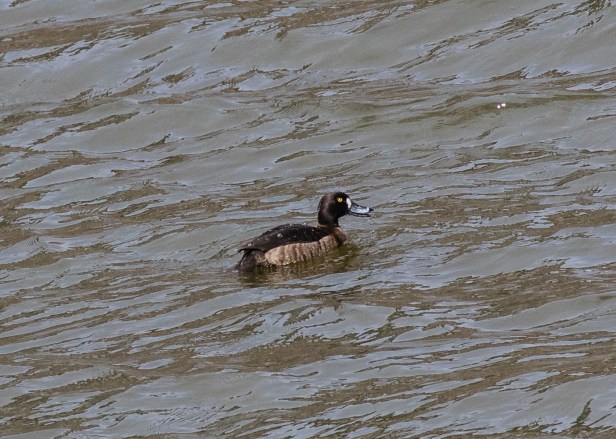
Back in the vehicle, we decided to head further on towards Tawang side. We stopped at the lake again and this saw some birds in the water. They turned out to be Ruddy Shelduck, a Tufted Duck and Brown-headed Gulls.
By this time, my dizziness had returned and my head was starting to pain a bit. So we may call to abort out journey further towards the Tawang side and instead head back down towards Dirang Valley. This meant that we would dip on the White-throated Dipper and the Solitary Snipe. This was a difficult decision for me as a birder. I felt even worse for having Rahul miss these birds because of me. But he was super supportive and I thank him for it.
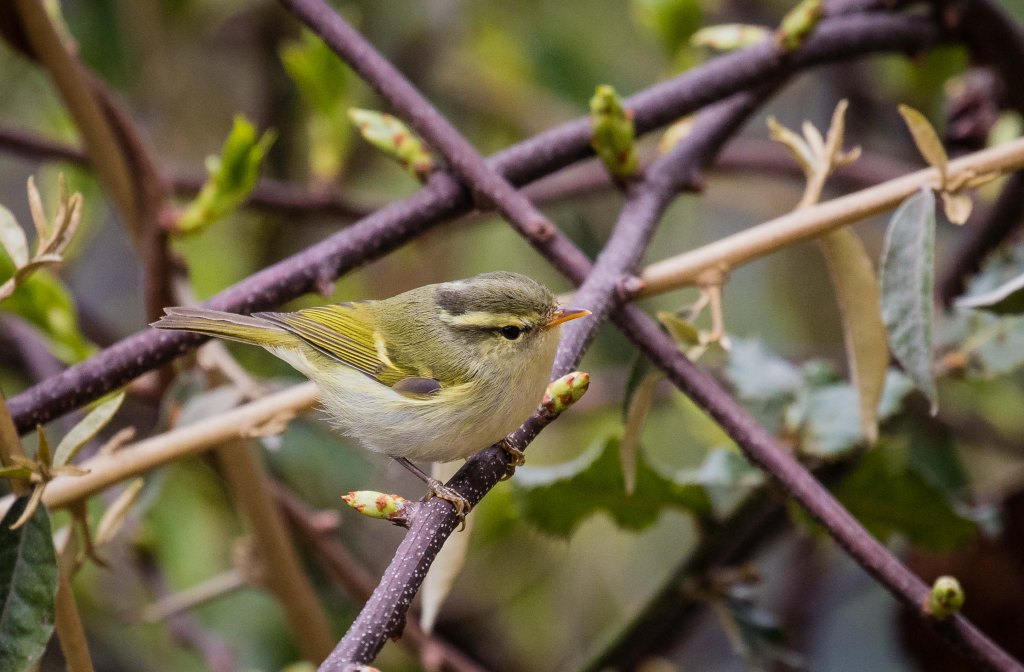
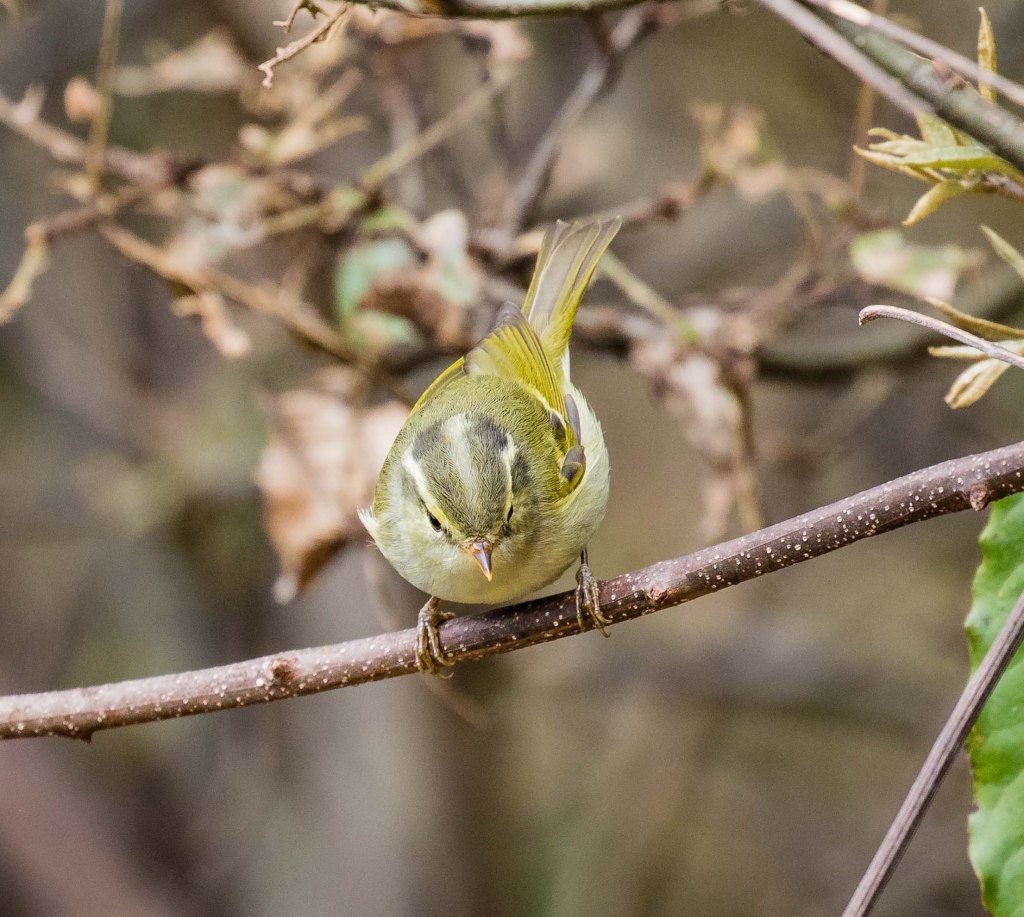
During the drive back down we made a few stops enroute. Each stop yielded several birds. Here is a very obliging Blyth’s Leaf Warbler.

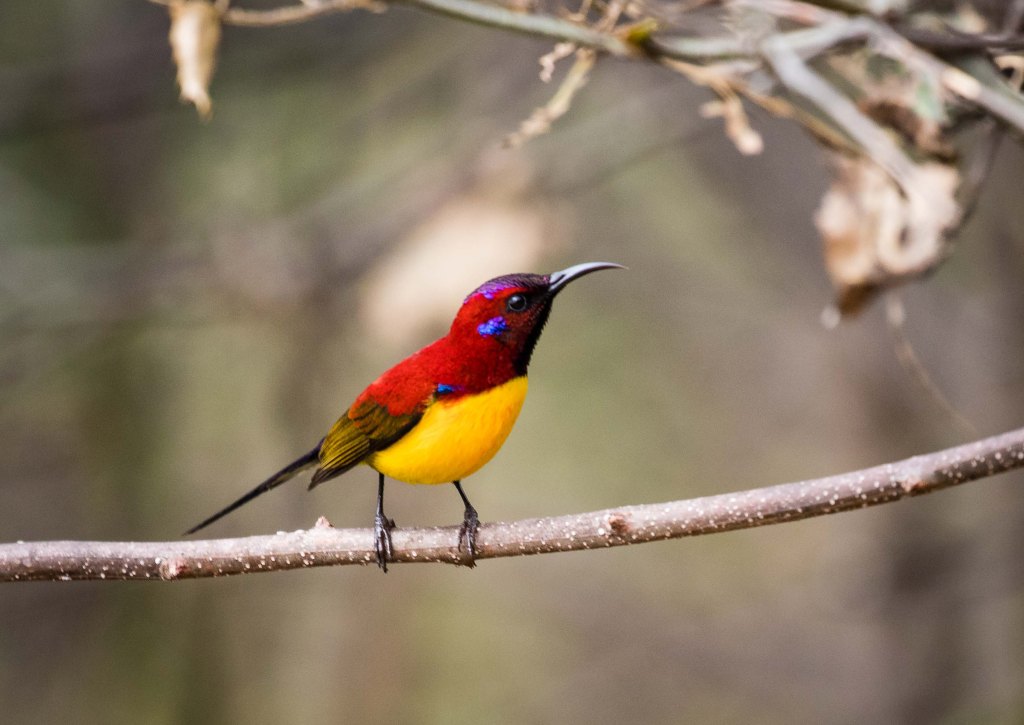
There was a colourful display put on by a pair of Mrs. Gould’s Sunbirds.

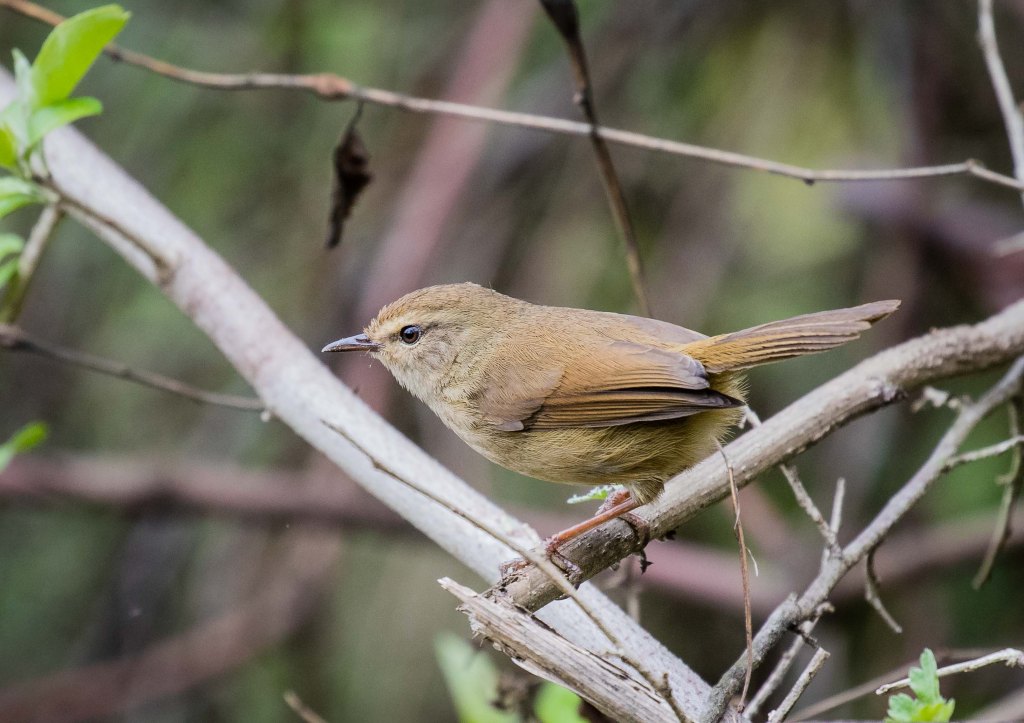
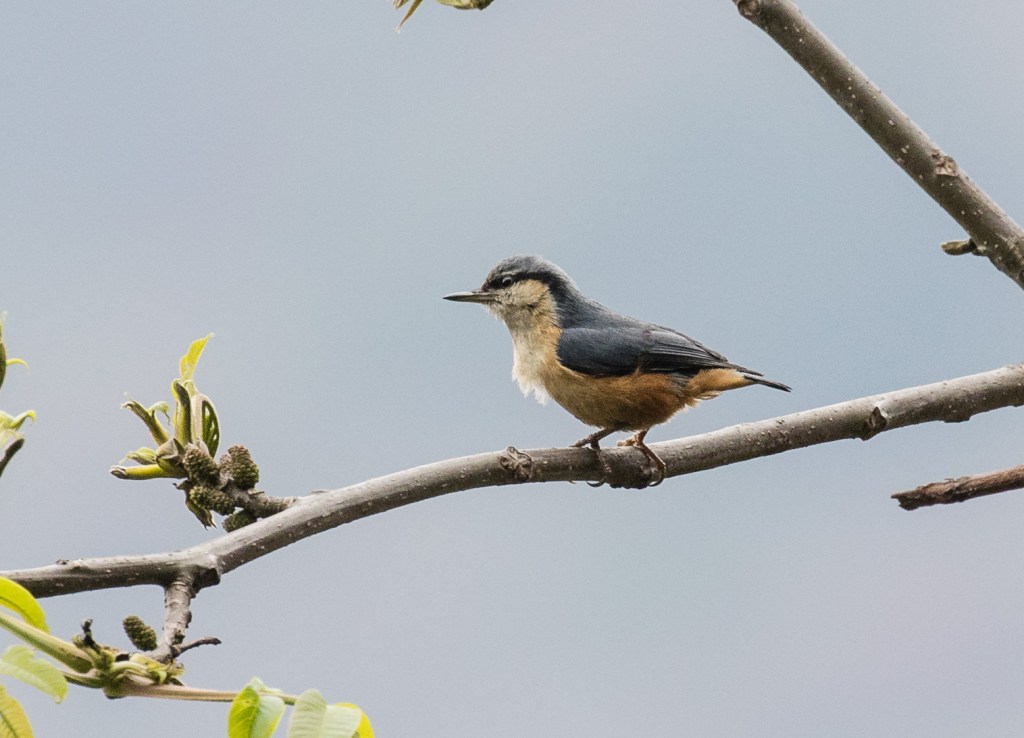
At one spot, we had a cooperative Brownish-flanked Bush Warbler and then a White-tailed Nuthatch.


Some of the other birds that also came in to show themselves are as below:


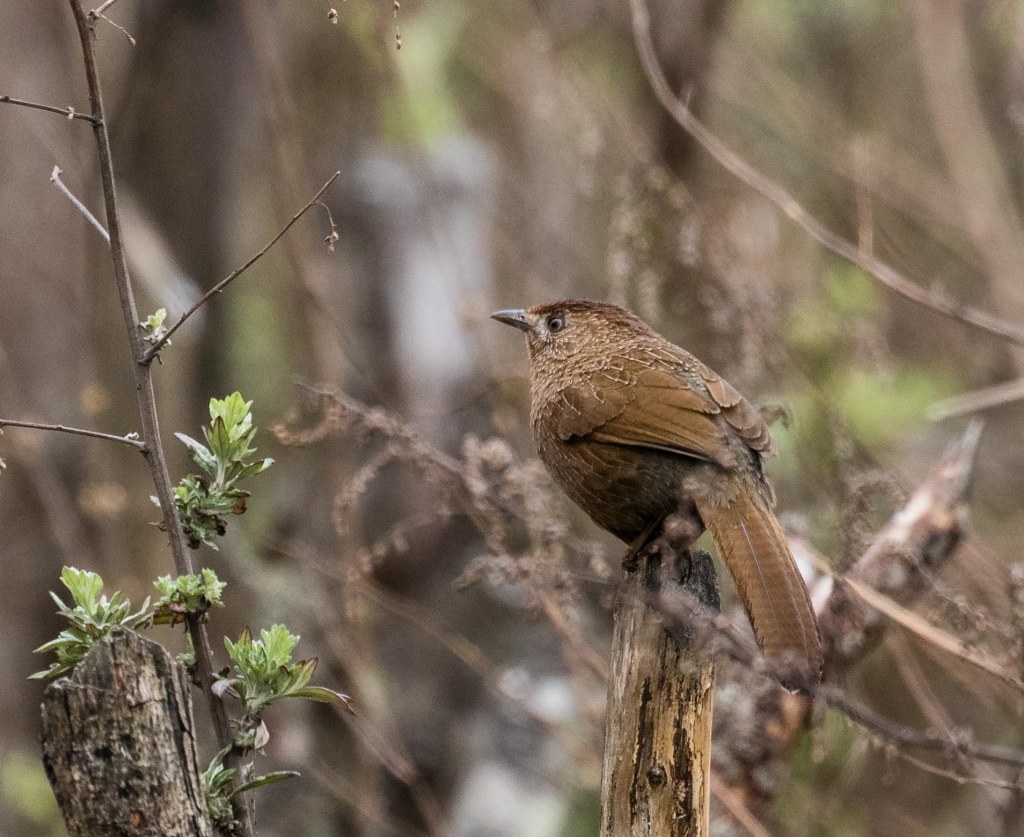
This time we got to hear one Himalayan Cuckoo as we drove through. It’s call had been an almost constant when we were birding around Lama Camp :-). The other bird that were in decent numbers were the White-throated Laughingthrush. At the last stop we got some marvelous views of Fire-breasted Flowerpecker.


Another bird that I wanted to try for was the Black-tailed Crake. Dombe knew a spot on the way back. So we decided to give it a try. Thankfully we got to see it, albeit for a few seconds as it went through the reeds. An extremely shy chap it was.
It was not just the birds that were pretty and different. The landscape was too. Here are some pictures of the landscape:


Video
Here is a short video I put together for this section of our birding trip.
Summary
Birding around Sela Pass was a completely different experience; the atmosphere, the terrain and the type of birds. It had been worth doing it. Here are some things to keep in mind though if you are planning a trip there:
- Remember it is high altitude mountain pass. So take adequate precautions and preparations. This could include drinking water periodically, going up the path slowly giving time to your body to adapt, walking slowly, munching something in between and not staying at the pass for too long
- The weather can change pretty fast in the pass. So be mentally prepared for that. Wear clothes in layers. This way you can remove layers as it gets warmer
- Some of the target birds are probably masters of camouflage and are seen on mountain slopes. So be prepared to check such places out. Be very careful though. Always wear footwear with good grip
- Knowing the birds by their calls is very important. Their calls is usually the first indicator of the bird’s presence. So getting a guide, if you are not familiar with it, with this knowledge will be very useful
- Understanding the altitudes and habitats that the target birds prefer is also very important. So you may want to read up on that information
- Days start early and finish early in this part of the country. So be mentally and physically ready for it
 Mad about Birding and Travel
The day we went at Sella pass was only day when we saw proper sunlight during whole trip…it was beautiful experience. We will go there again 🙂
Beautiful images and writing as always…👏👍
LikeLike
Thank you for sharing. Beautiful images and video, Thomas!
LikeLike
Awesome.
LikeLiked by 1 person
Thanks Cindy
LikeLike
Such cute colourful birds
LikeLiked by 1 person