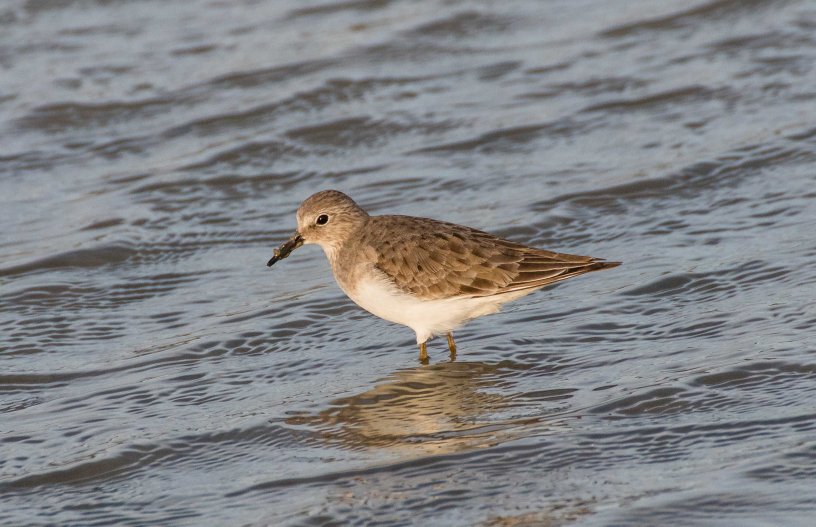
Birding at Point Calimere was one of the last things that had crossed my mind. Fact be told, I had to look up where Point Calimere was when my friends suggested doing a birding trip there. Well, I guess when it is time to visit a place, the calling automatically comes 🙂
Point Calimere is a coastal place in the state of Tamil Nadu, India. It has a very large wetland that is considered important for migrating waterfowl. It has been declared as a Ramsar site since 2002.
We had seen reports of Red-necked Phalaropes being sighted for several days at Point Calimere. The drive from Bangalore to Point Calimere would take 9 hours. But this was a bird that we were all keen on seeing. So a chance to see it was not to be missed. A trip plan was put together to visit the place. Given the distance, it was to be a 3 day trip. The forecast showed rain on all the 3 days. We all had our fingers crossed that the birds would still be around.
We started from Bangalore at 5AM and reached Point Calimere around 3PM. We headed straight to the the salt pans where the Red-necked Phalaropes had been sighted over the last few days. The area was vast to say the least. We drove by slowly scanning every group of birds as we passed them. We spent close to 2 hours scanning different parts. But the birds were not to be seen. Well, we told ourselves that we had the whole of the next day to try for it 🙂 .
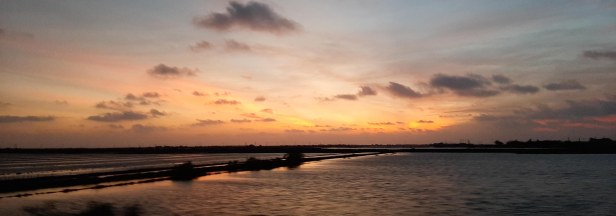
Though we had not got to see our main target that evening, we got a fantastic evening sky to compensate. Don’t you agree? 😀
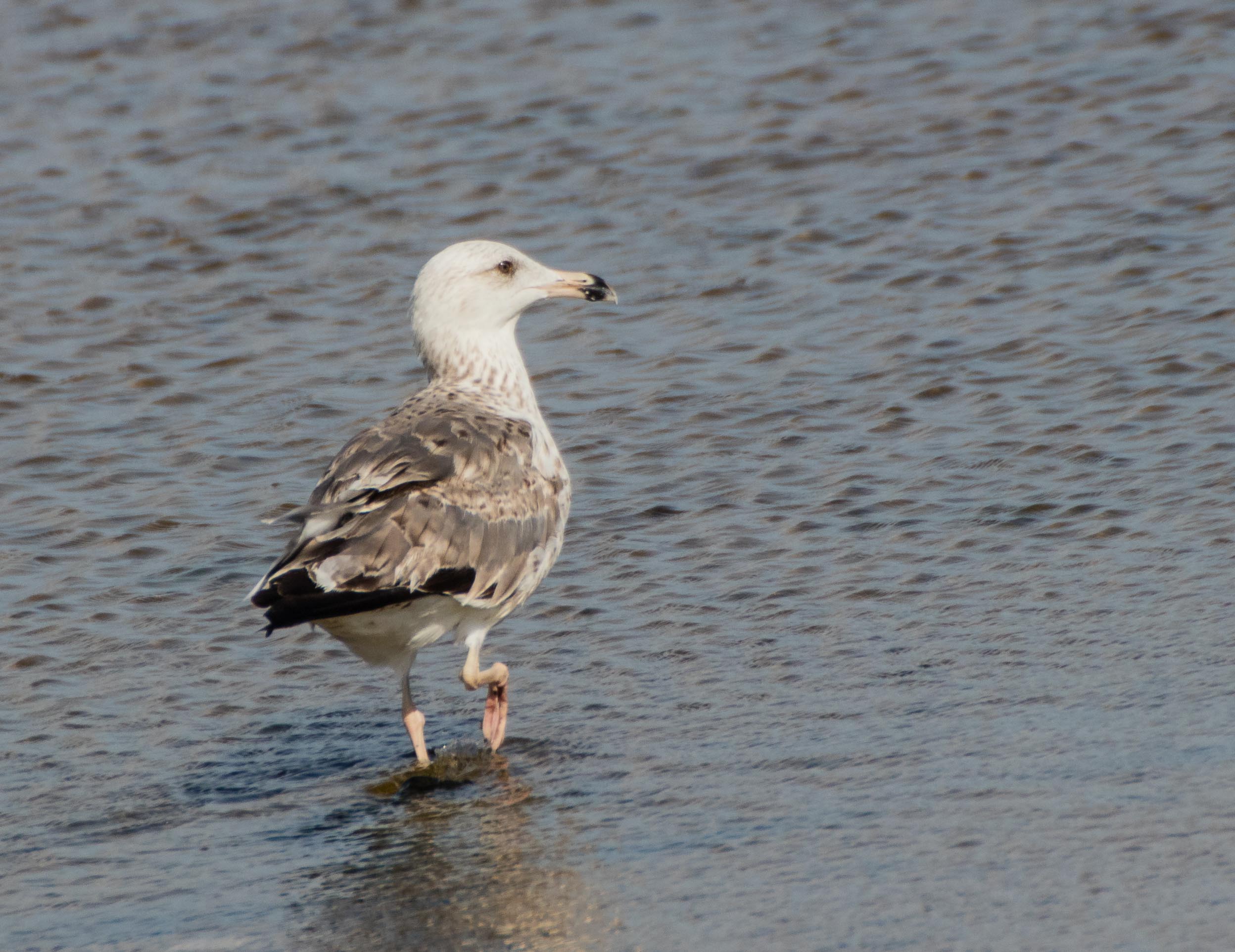
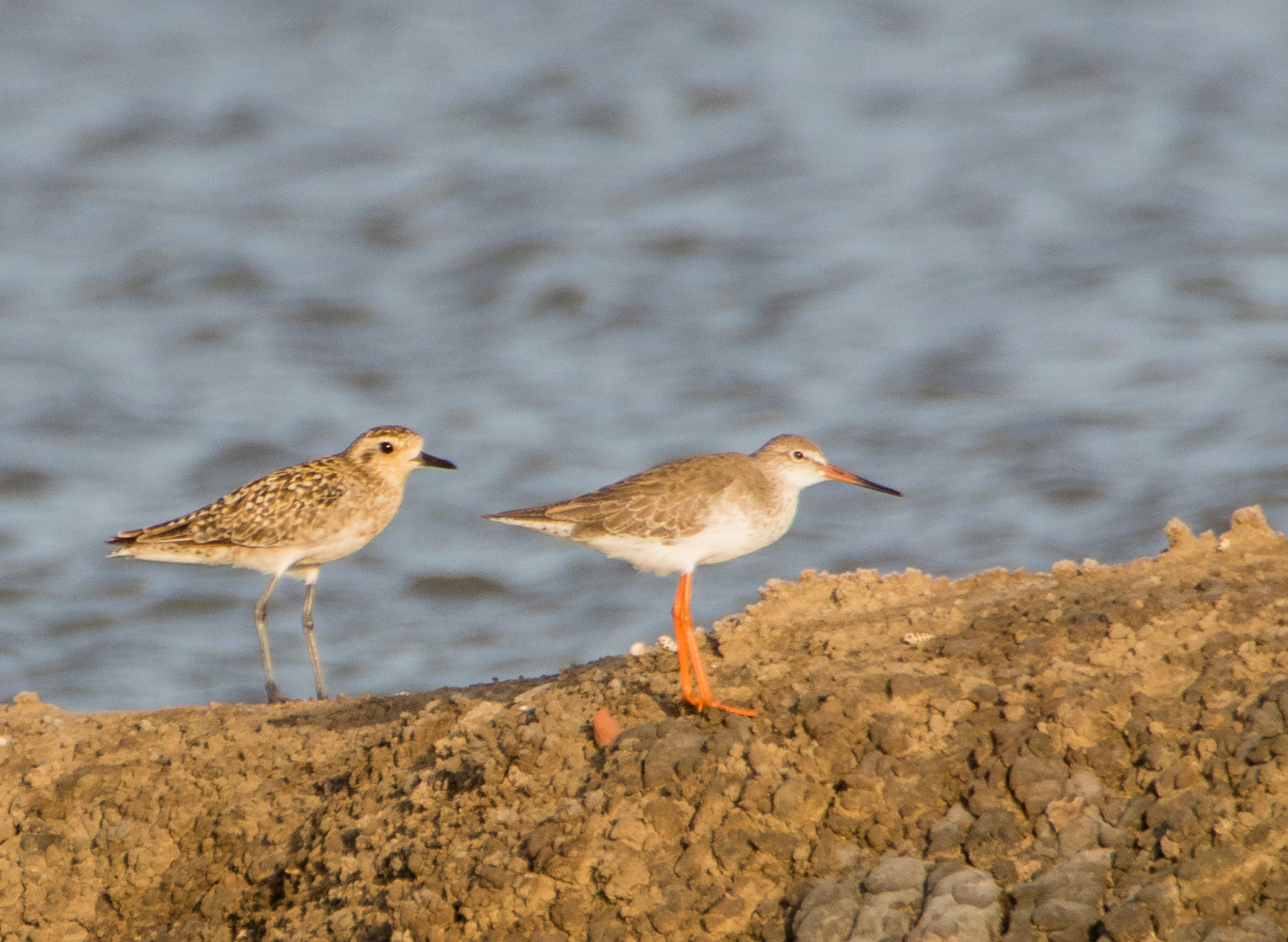
Here are some of the other birds we saw at the salt pans:
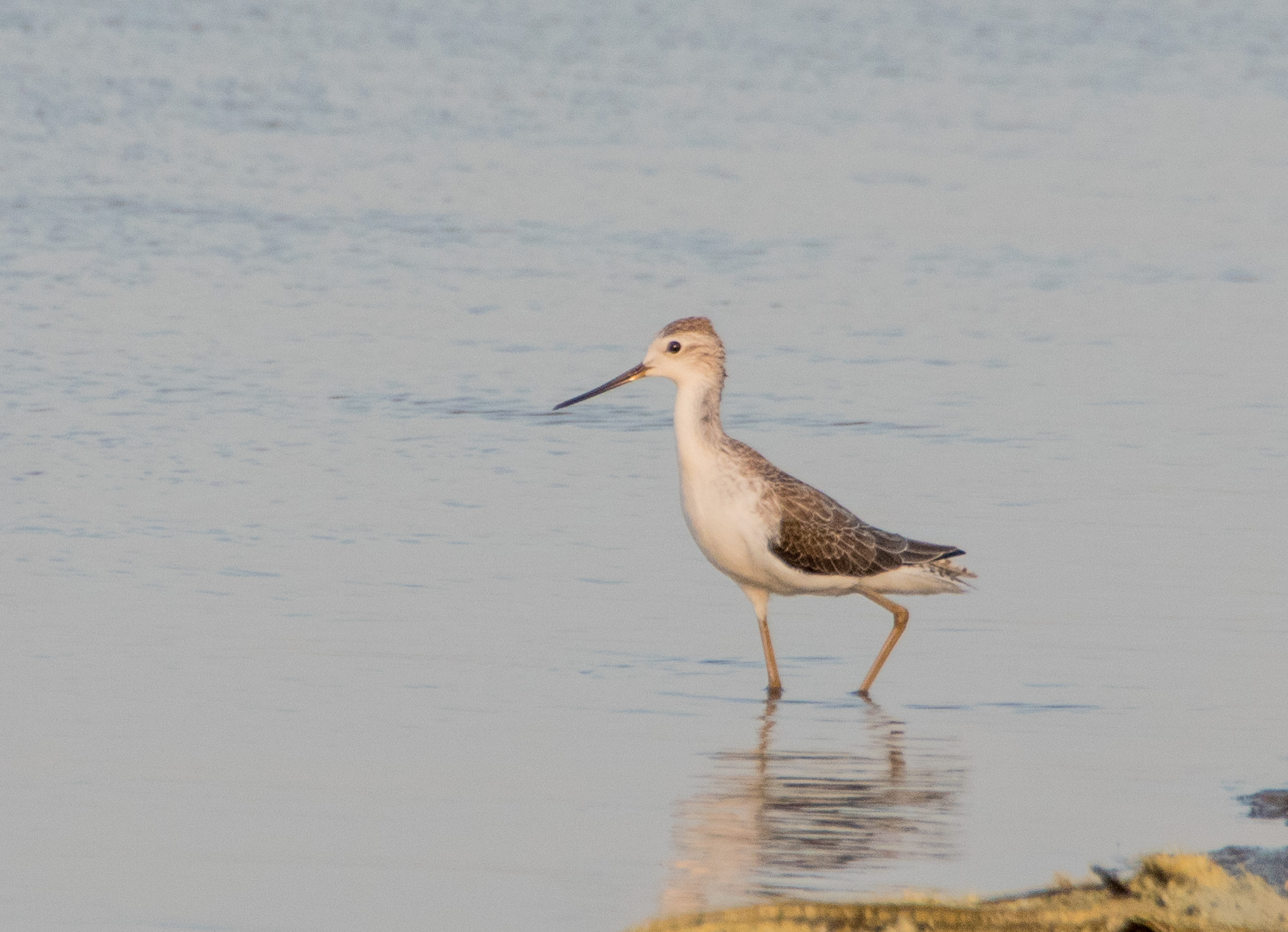
The next morning, we were accompanied by Dr. Balachandran, the Assistant Director of BNHS (Bombay Natural History Society). We were really lucky to have him along. Having been working in the area for decades to study birds, migration patterns etc., he knew the area like the back of his hand. The plan was to go the mudflats in the morning session, with the hope that we could get sightings.
If we thought the salt pans of yesterday were vast, we were in for a shock when we saw the mudflats. It was literally kilometers! The targets birds could be anywhere in this “ocean”. All that we could do was to drive on the mud road and hope to see them. But luck did not favour us again. Dr. Balachandran told us how the Phalaropes usually spend their time in the open sea. They would visit inland water bodies usually when it would rain. And it had been raining over the last several days when they were sighted. Well, we now prayed that the rain gods would be merciful to us. The weather forecast was not proving “trustworthy” 😀 .
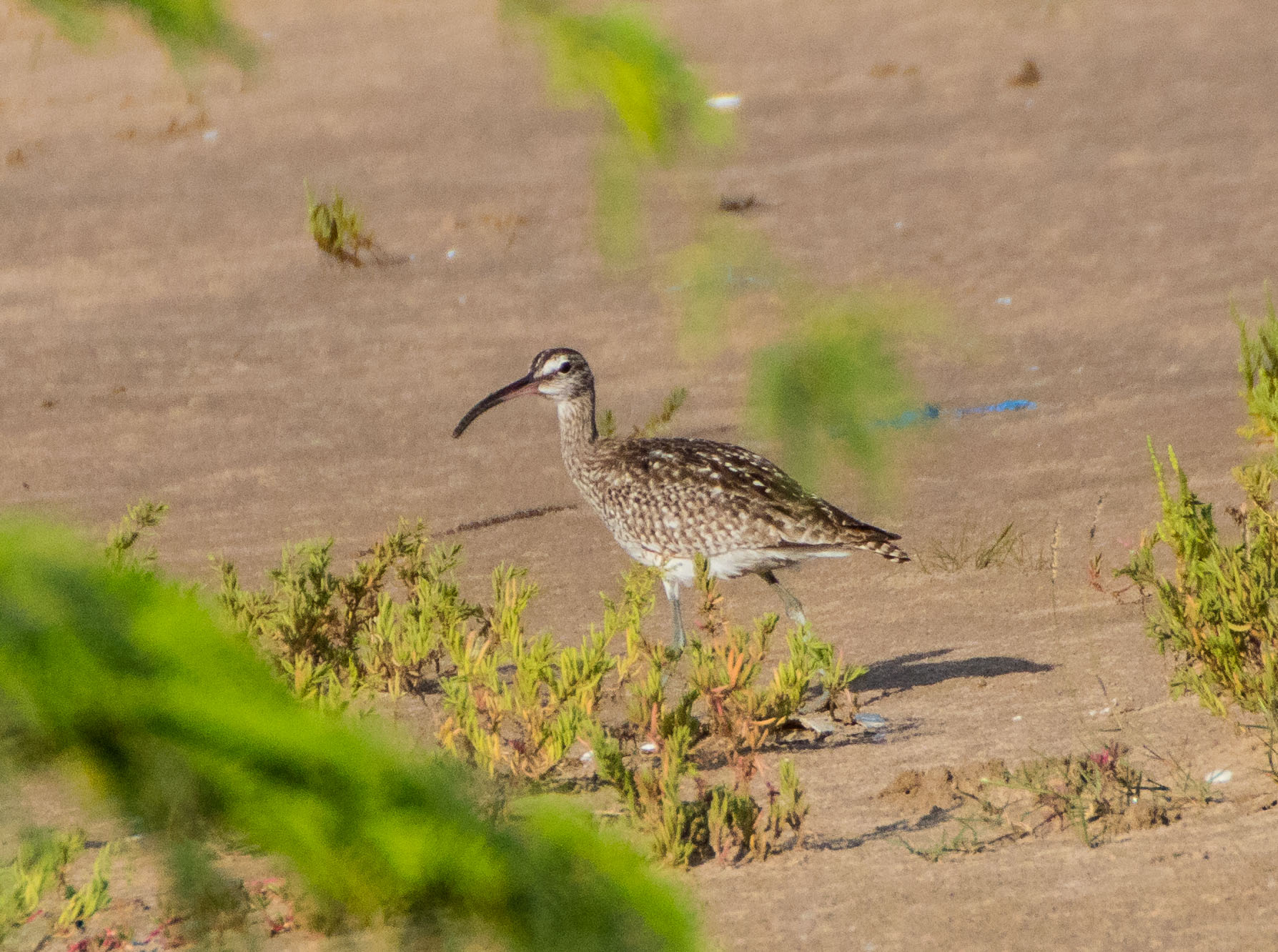
Here are some of the birds we saw that morning:
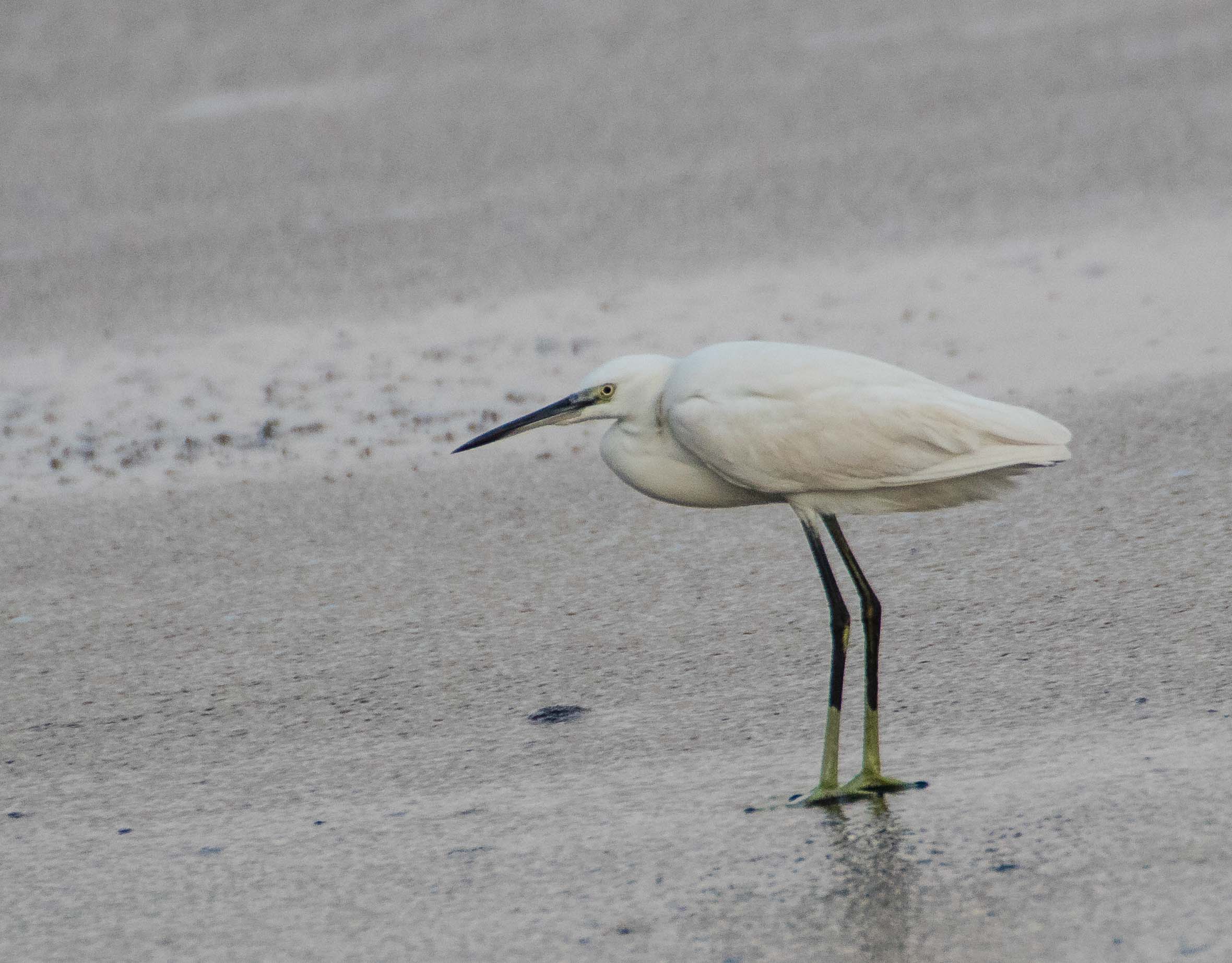
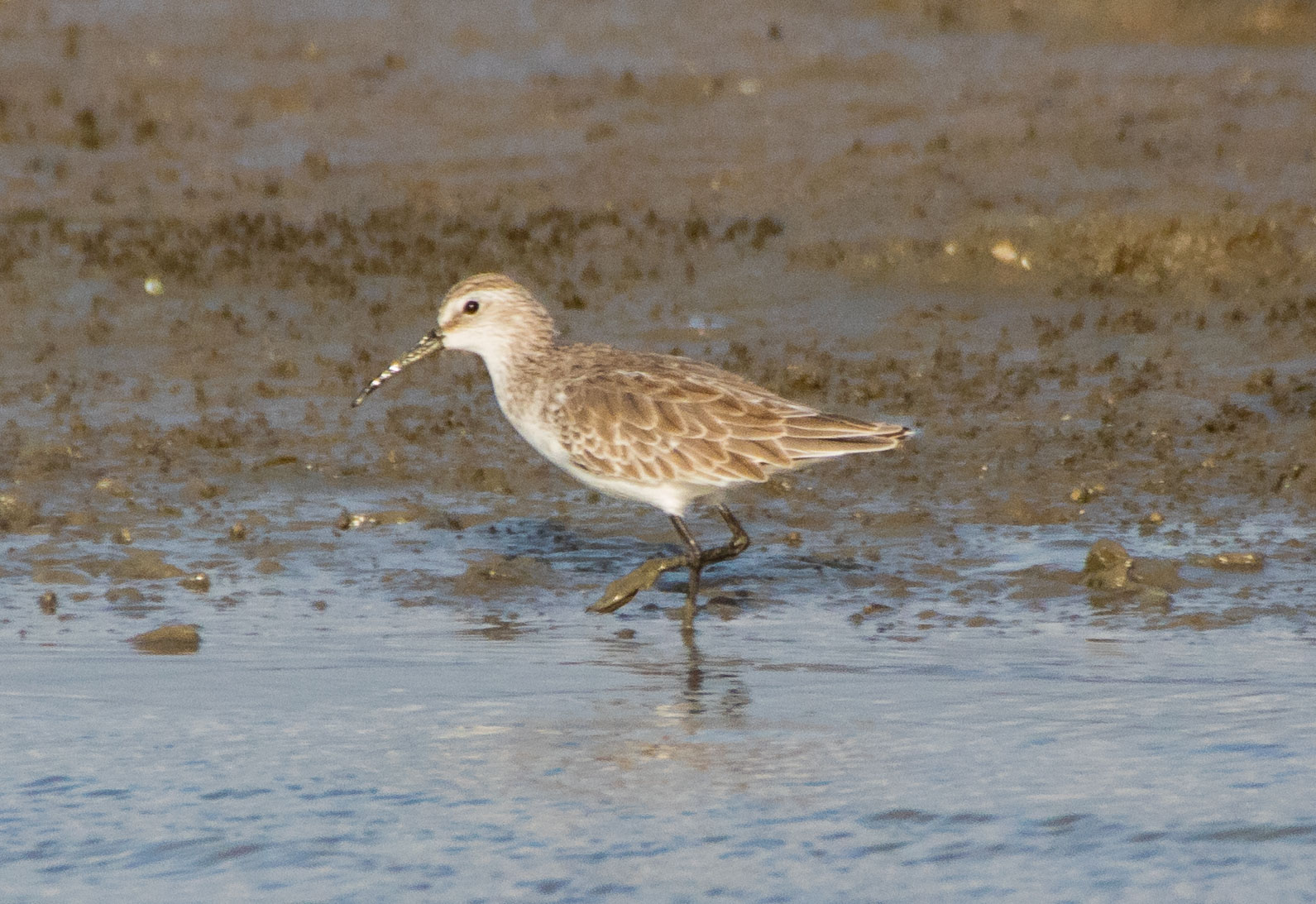
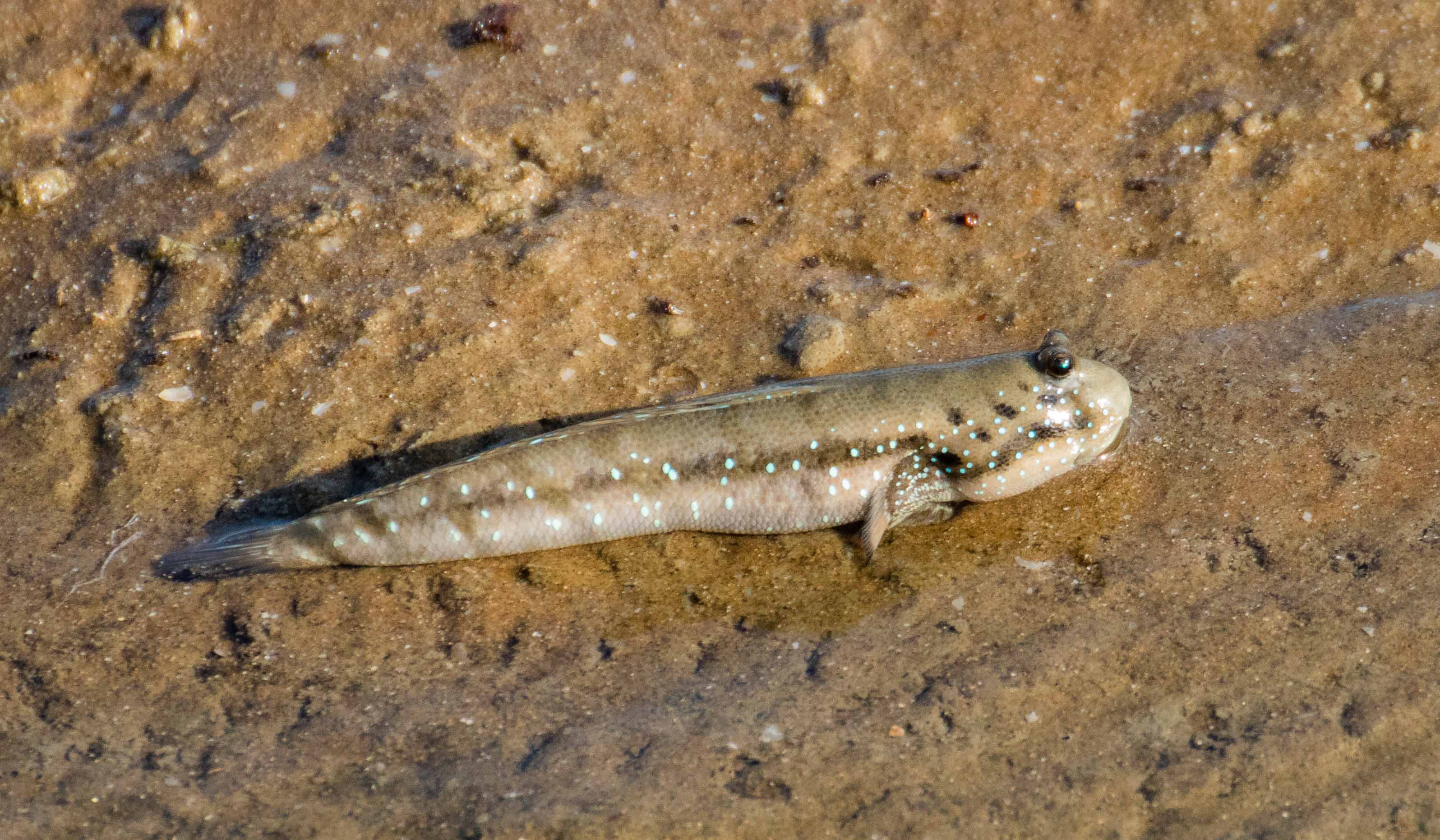
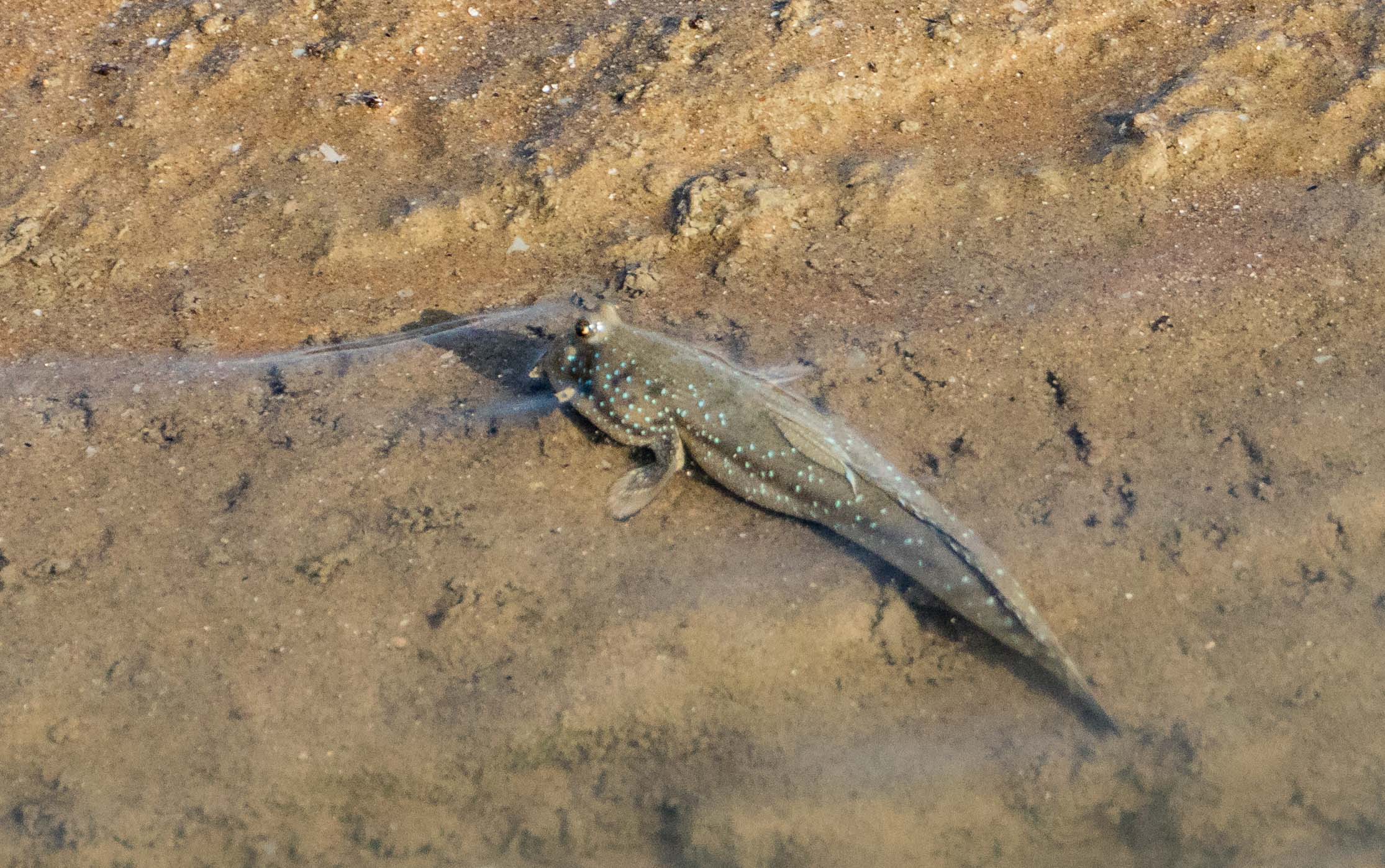
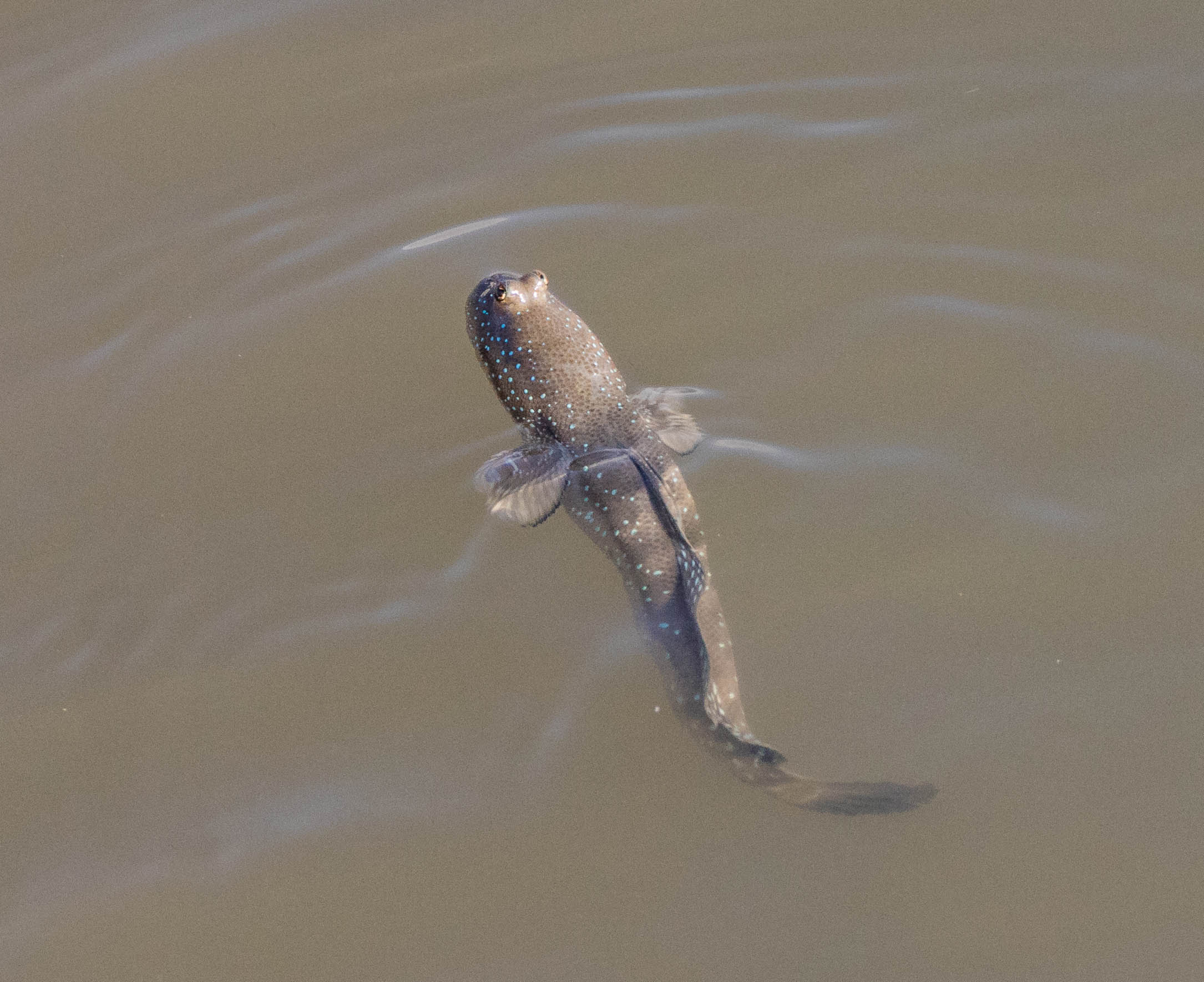
The other close “encounter” we had was with the Mud Skipper. Here are a few photos of them:
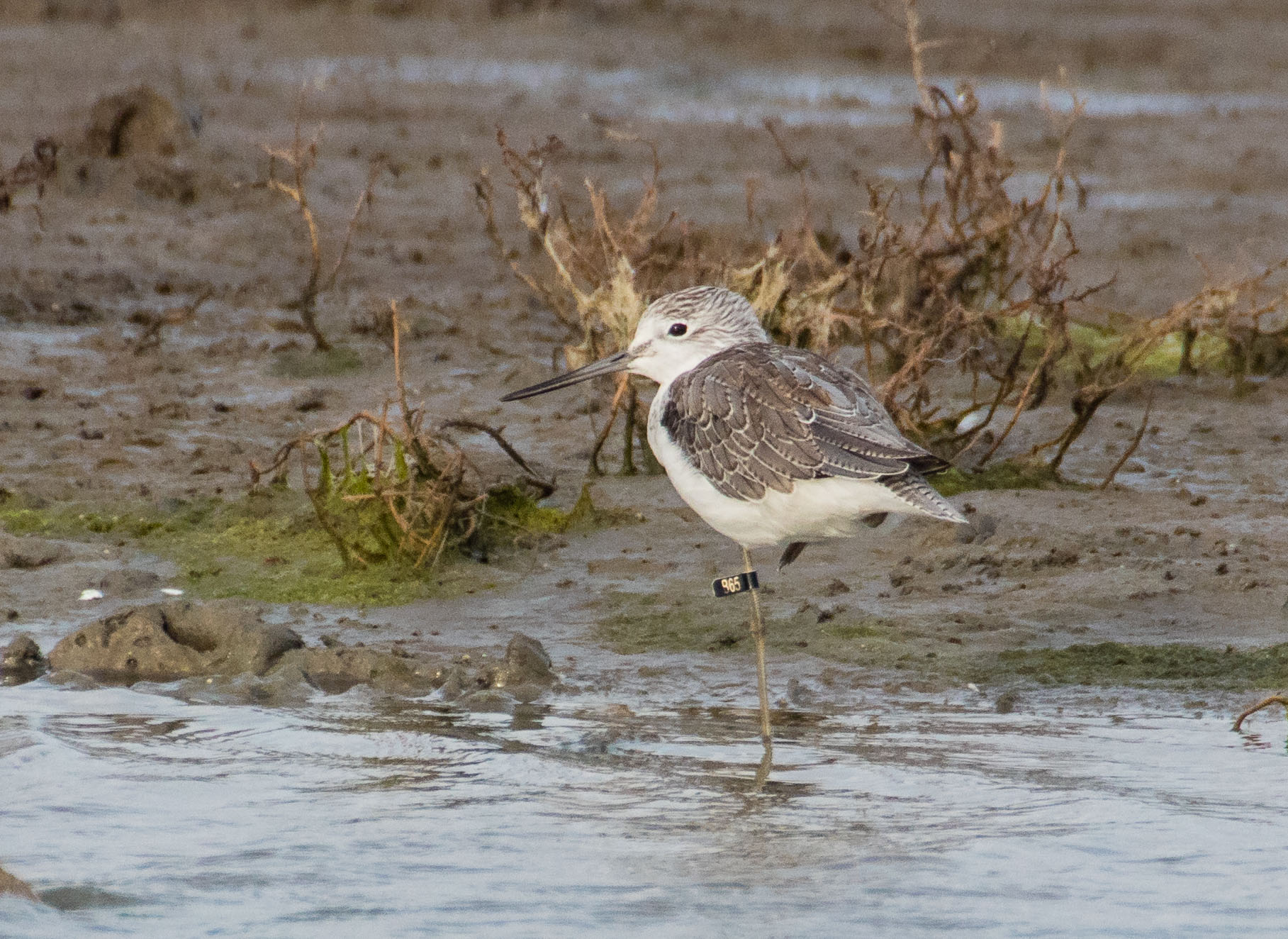
As we headed back to the BNHS office to drop of Dr. Balachandran, he told us about their program of ringing birds for the purpose of scientific studies. It was fascinating to hear him talk about it. Once at his office, we decided to check out the large poster on the wall that showed many of the species that had been ringed from the area. We were stunned to see some of the birds shown. There were so many that we would never have thought would show up there. One such bird was the Large-billed Leaf Warbler. We were talking about it when Dr. Balachandran walked up to us telling that a bird had been caught in the mist net in their property. He showed us the bird in his hand and asked us to guess its ID. Lo and behold, it was a Large-billed Leaf Warbler! 😮 . Now just what are chances of that happening! We got to see how the ringing was done up close. It was an unforgettable experience.
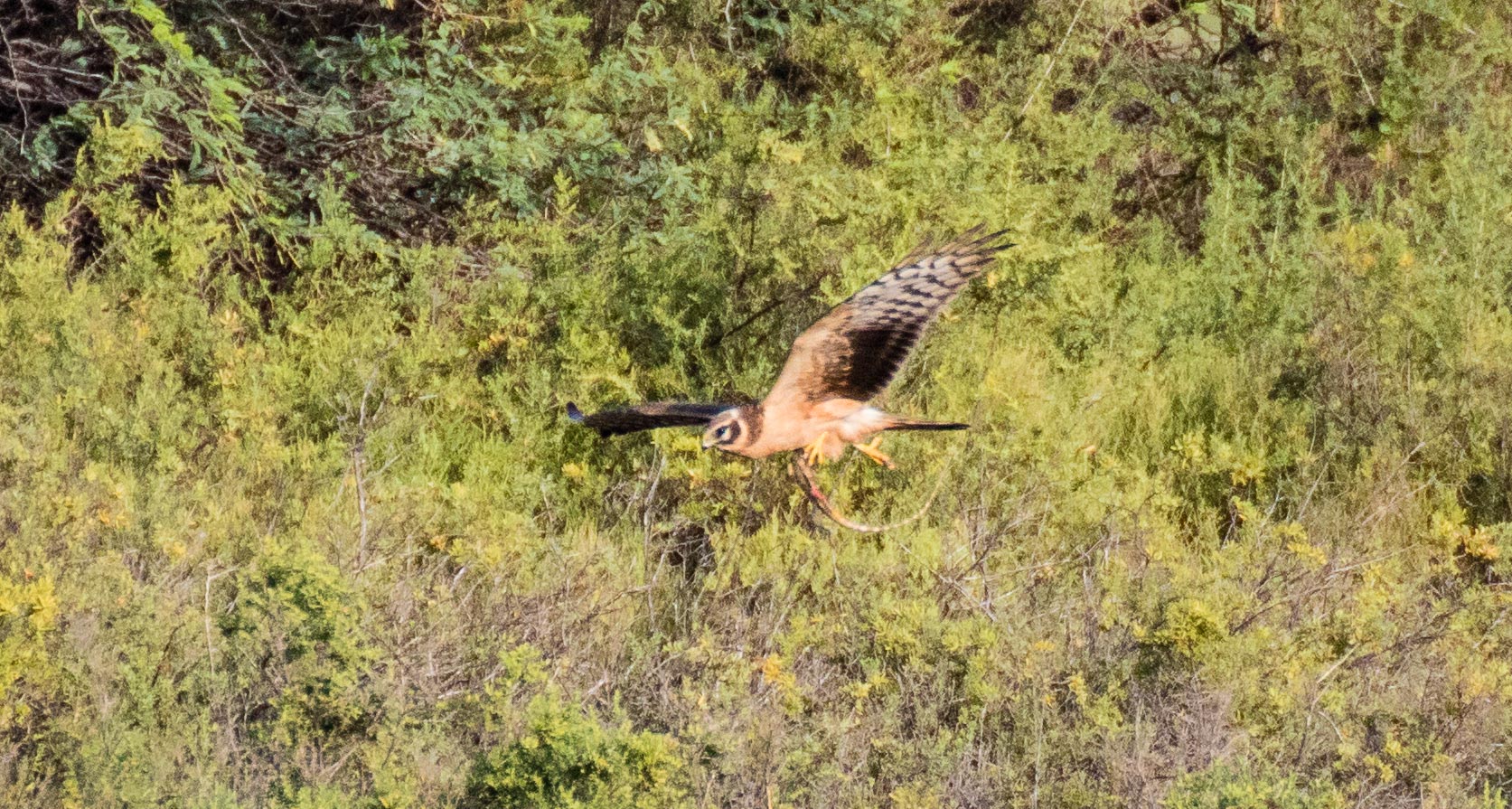
Later in the morning we decided to visit the grasslands inside the Wildlife Sanctuary. For this, one has to buy tickets and are driven through the sanctuary in the Forest Department vehicle. Here are some of the birds we got to see:
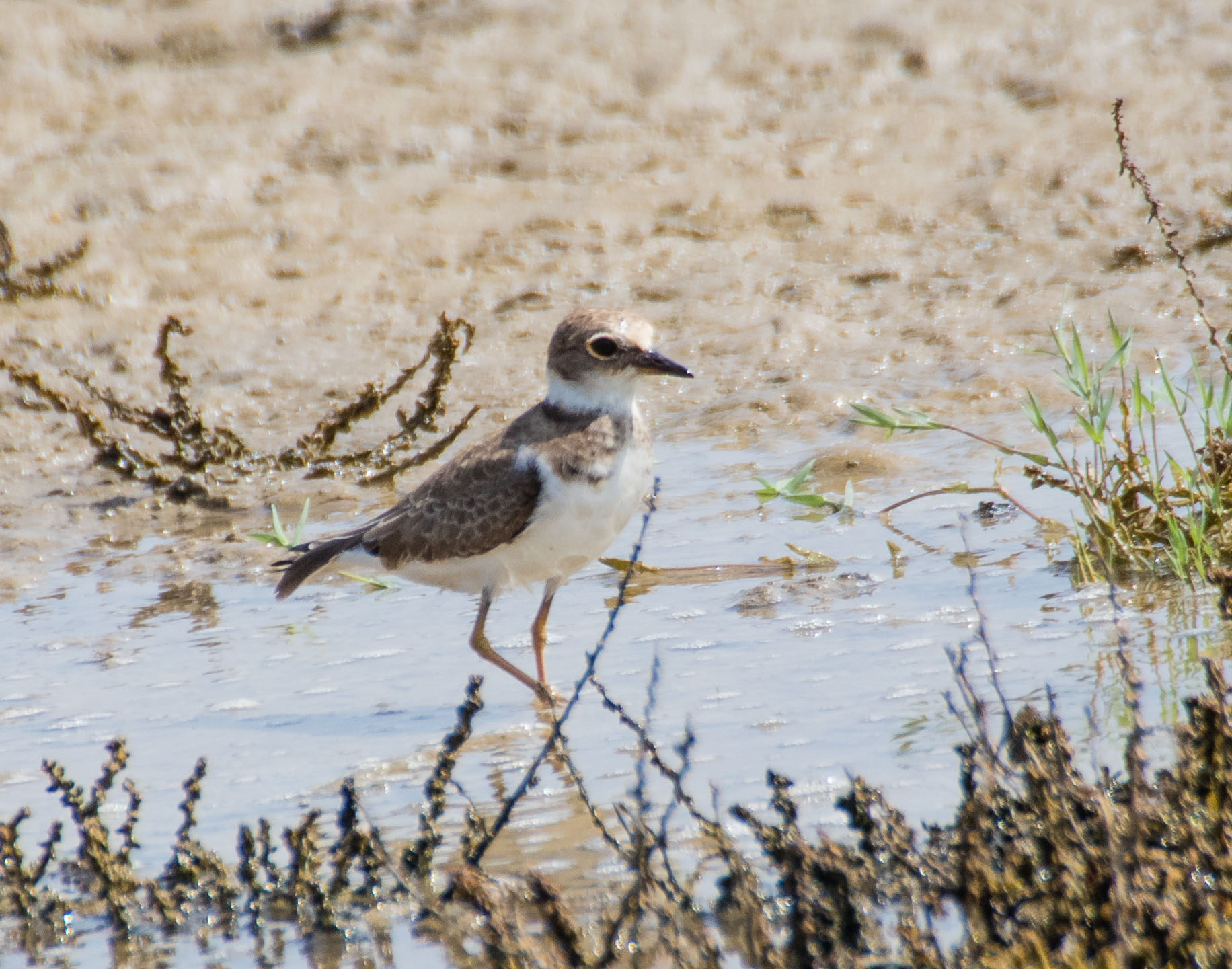
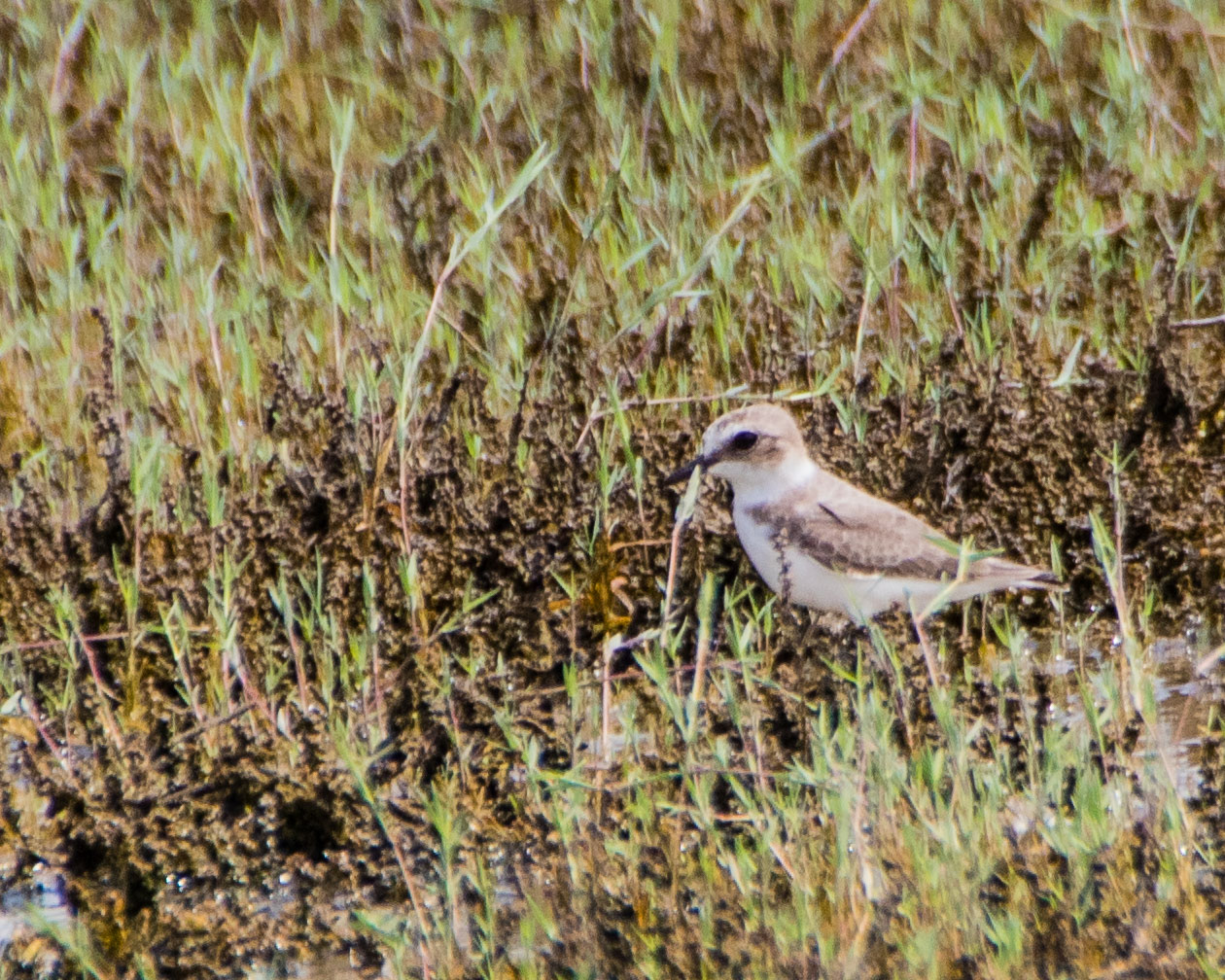
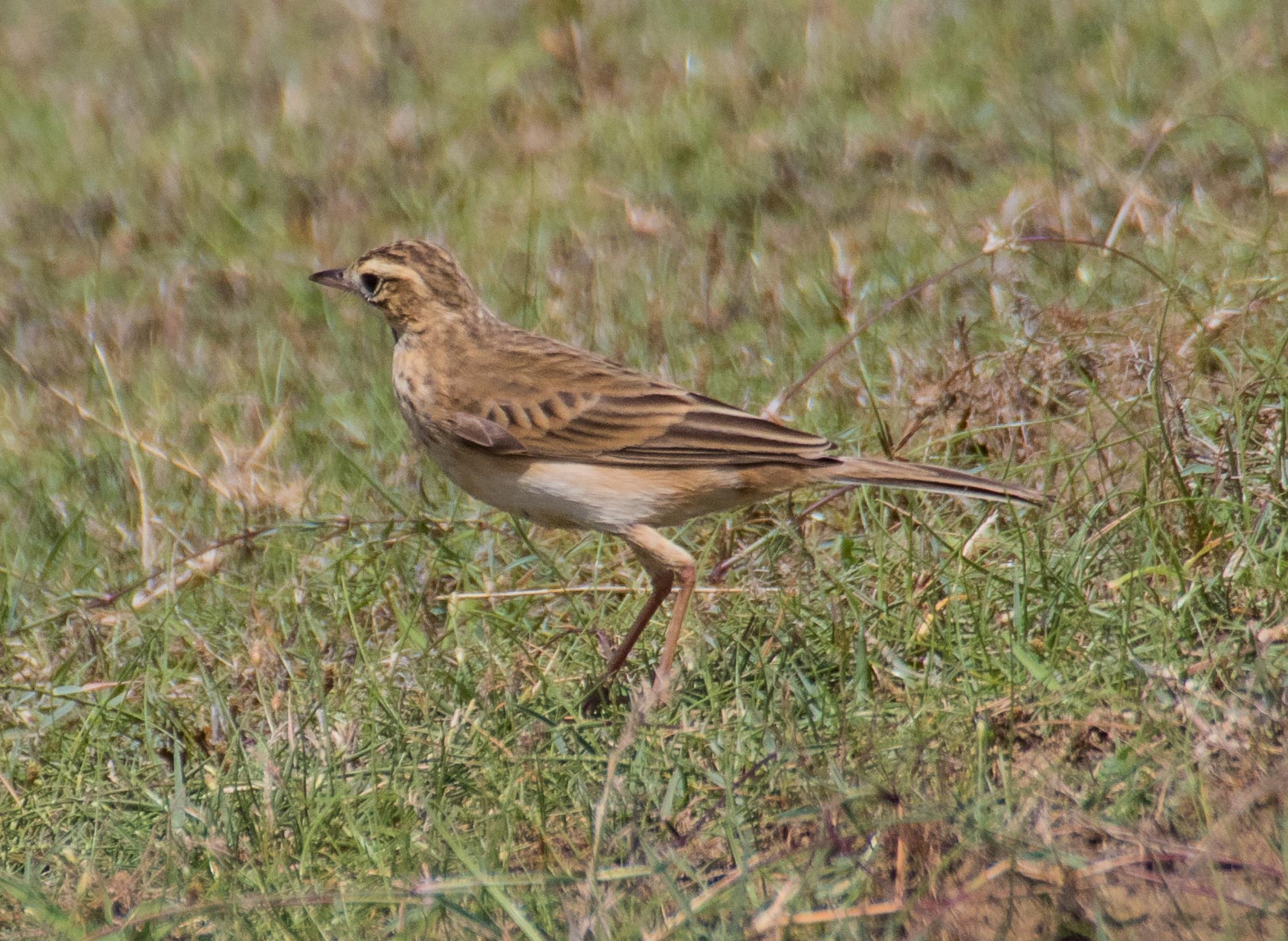
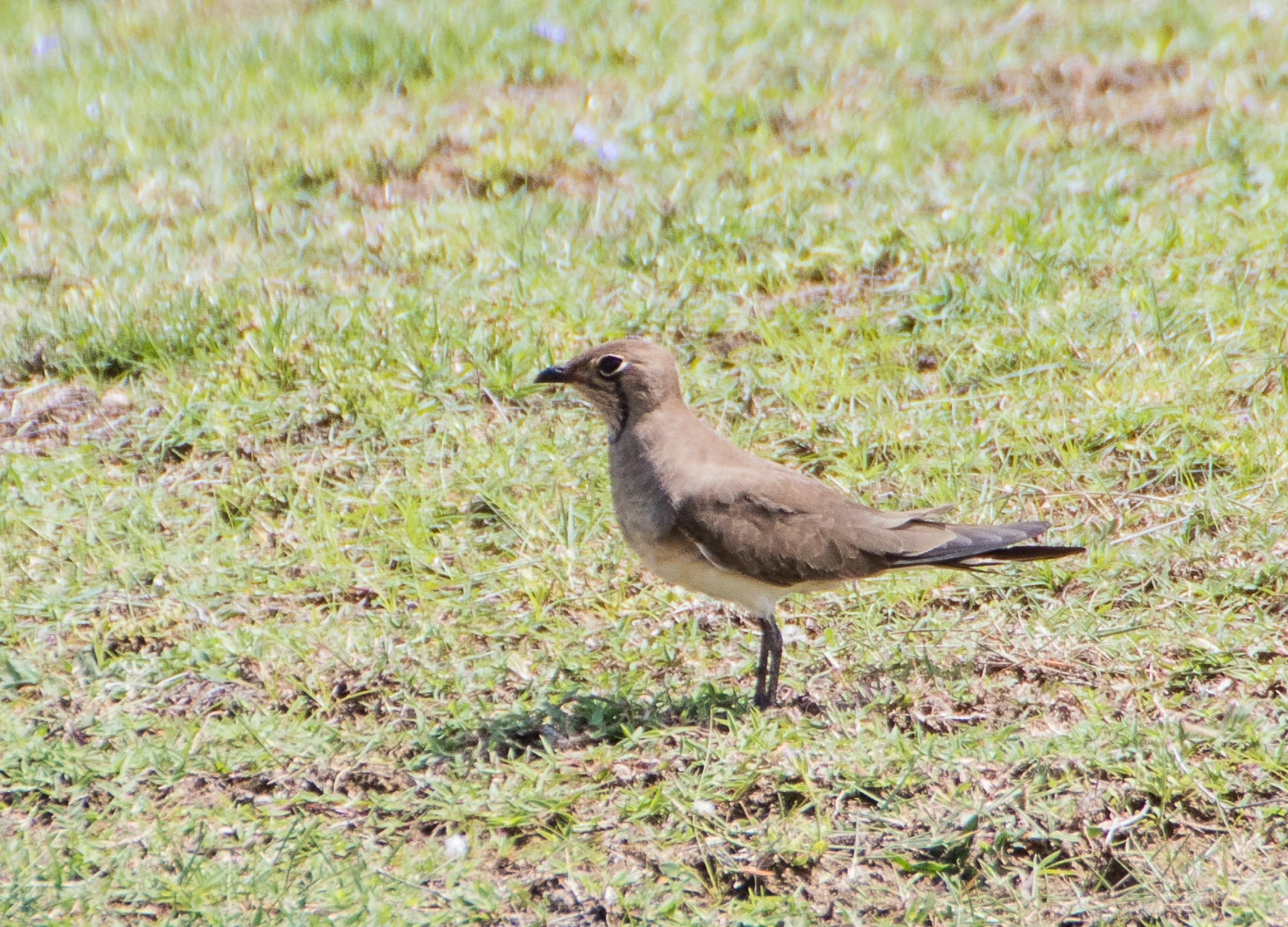
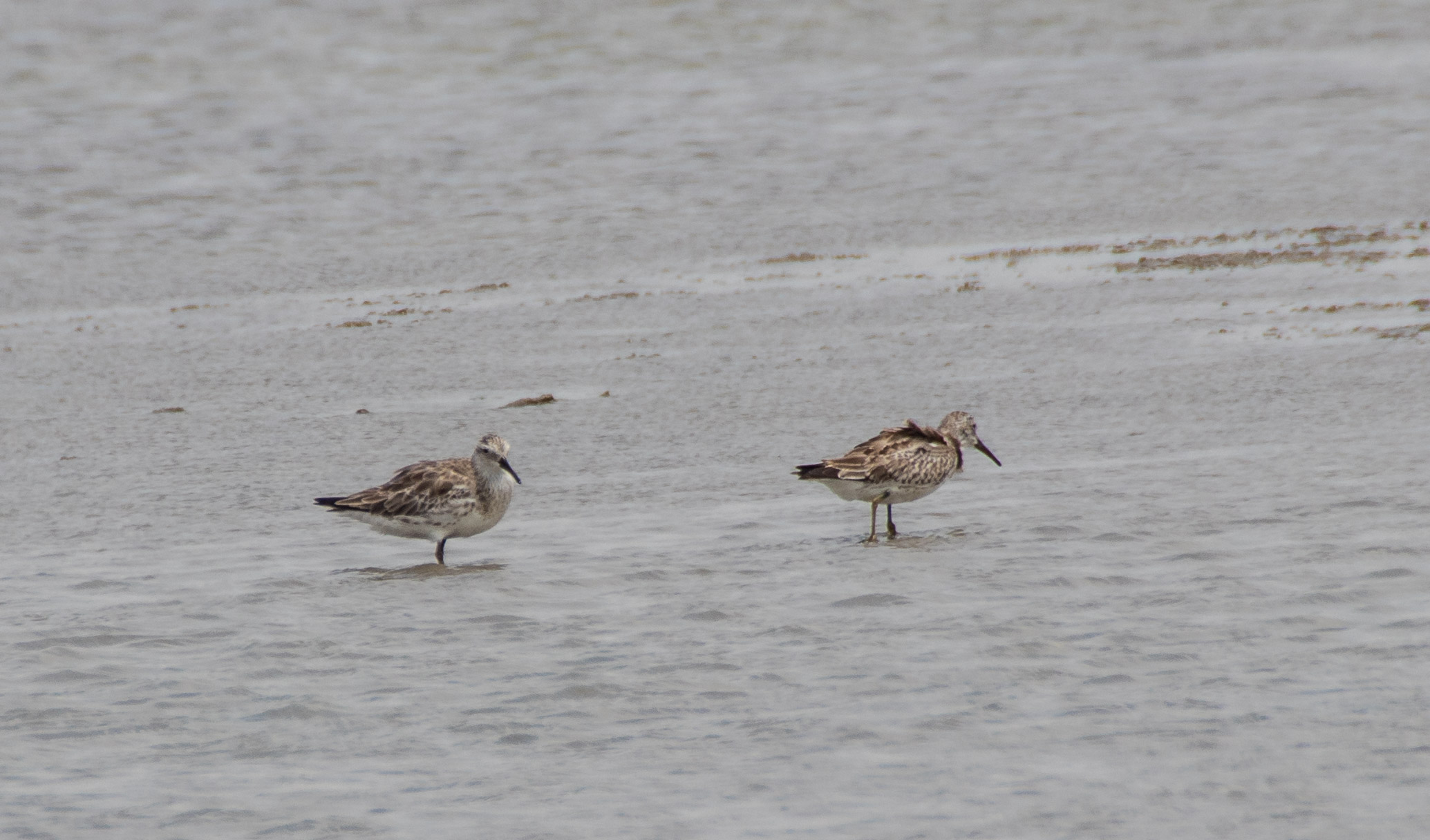
The post lunch session was first spent again at the mudflats followed by a visit to the salt pans. There was no sign of rains nor the Phalaropes 😦 . But I got to see Great Knots for the first time. It was quite a task spotting them in the near “ocean” of flocks of birds that were constantly moving around.
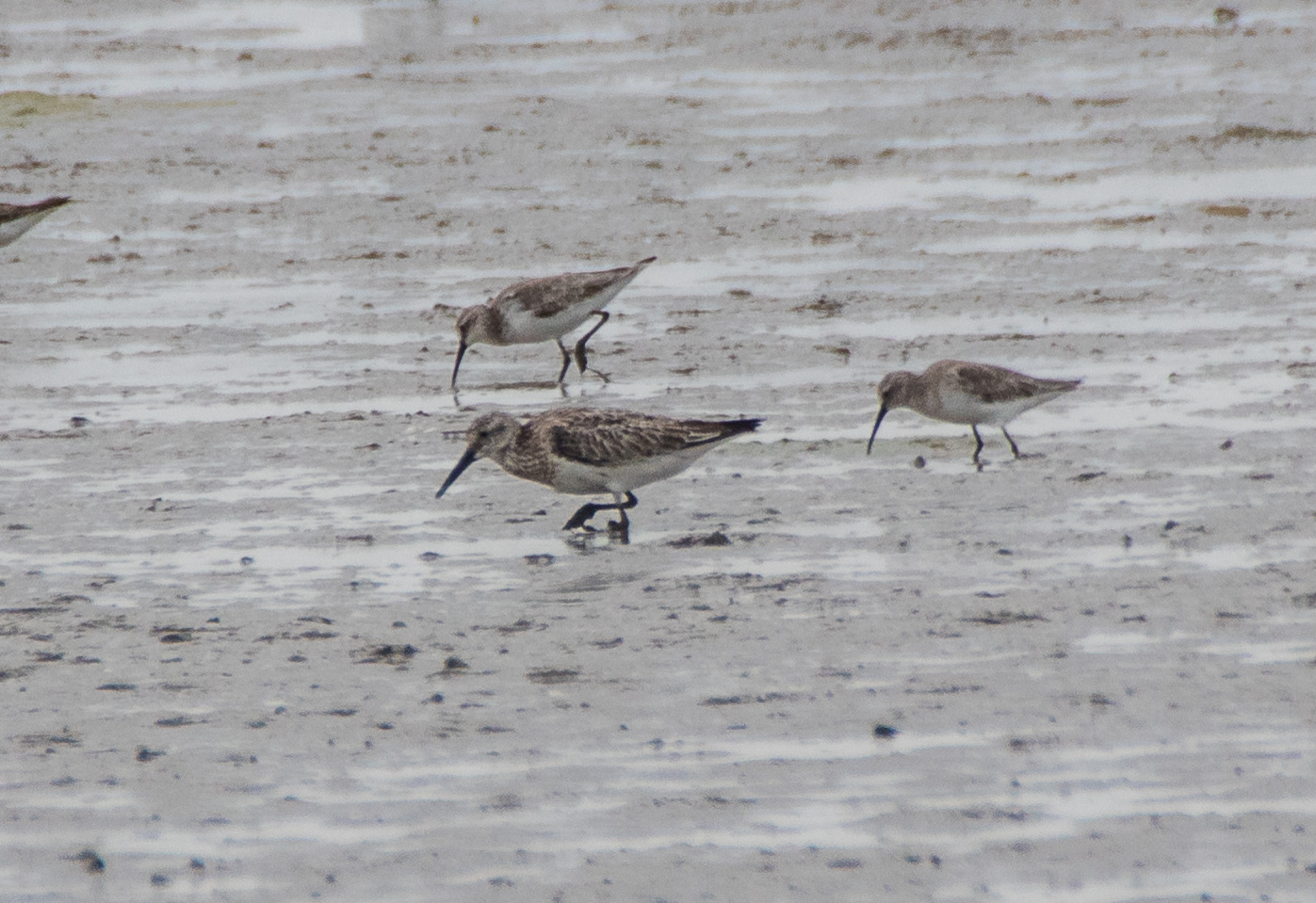
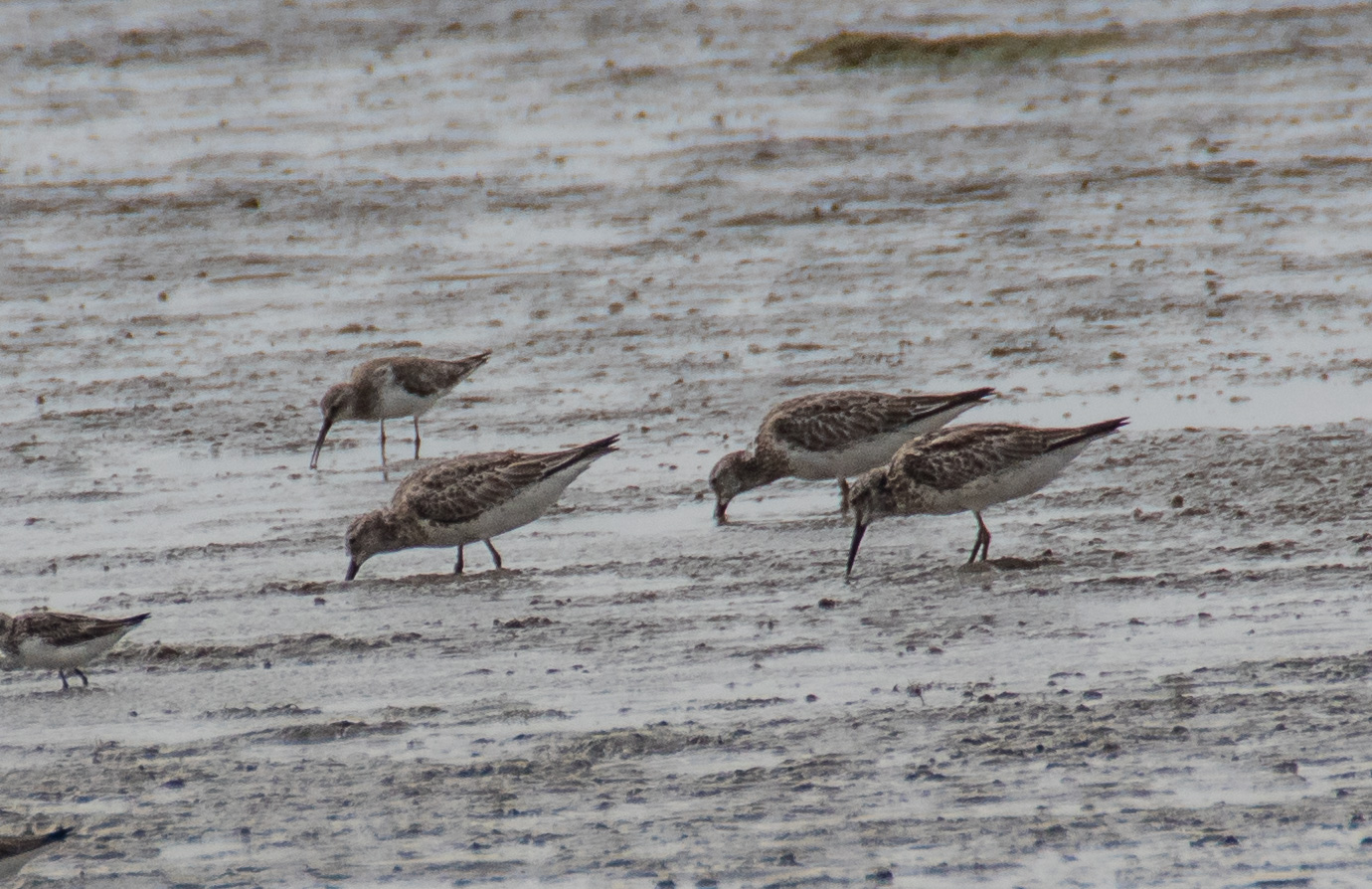
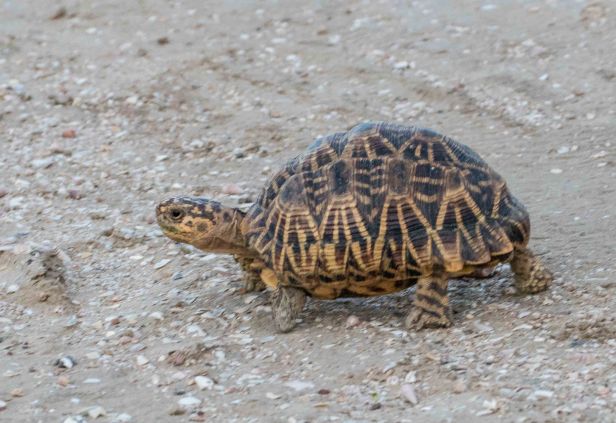
Another highlight of the evening was the sighting an Indian Star Tortoise slowly walking cross the mud road we were on. Check out the video later in this post to see it in action.
The evening again gave us some fantastic lighting. Make sure you checkout the the video later in this post.
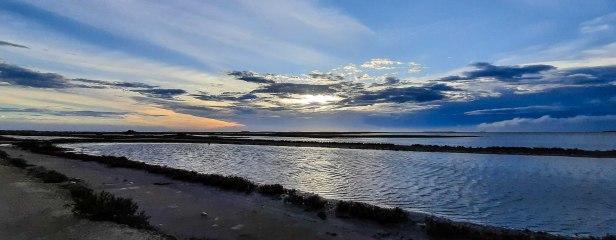
That evening we had to make decision; whether to extend the trip by a day in the hope seeing the Phalarope. We decided to extend 🙂 .
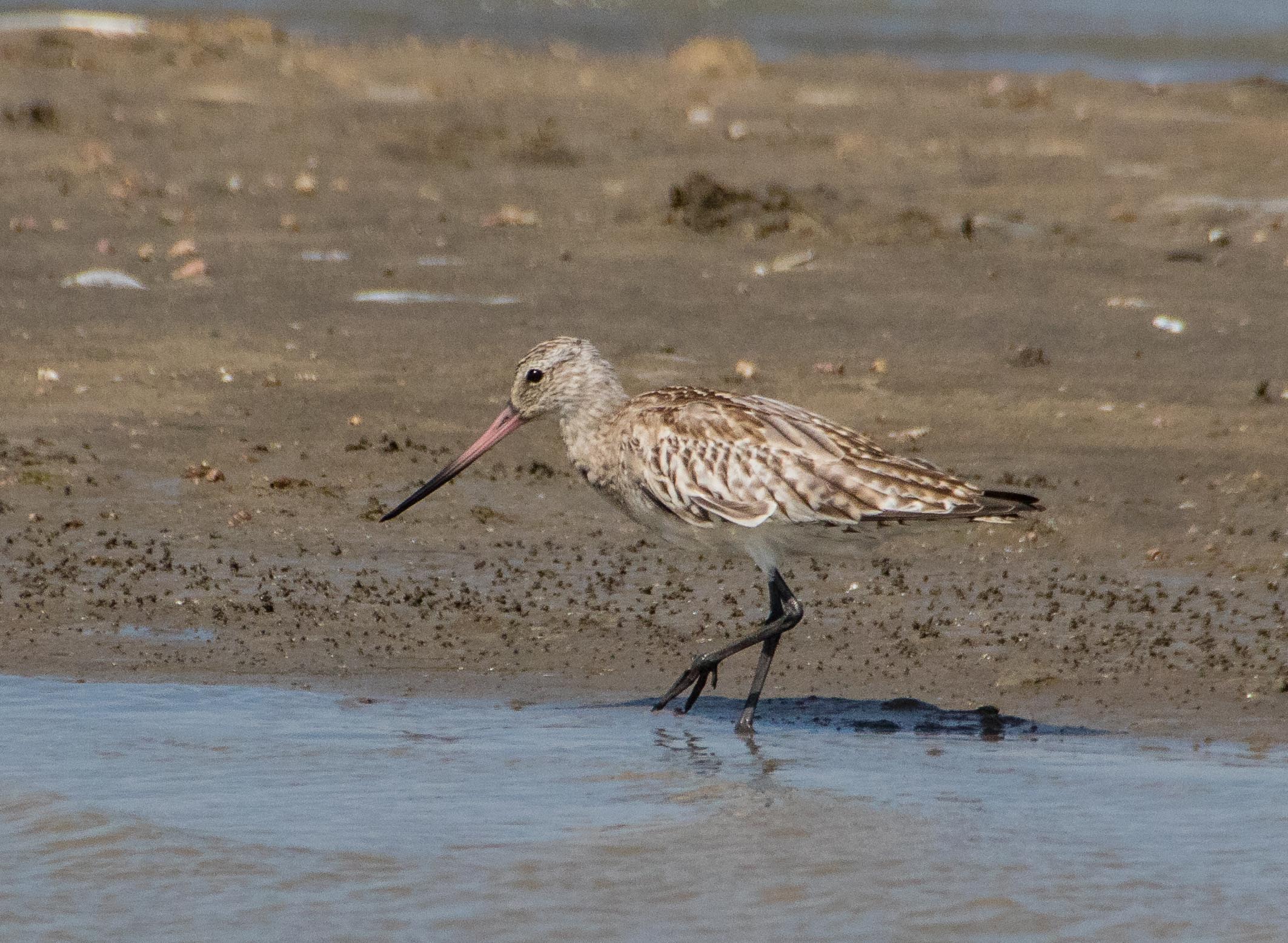
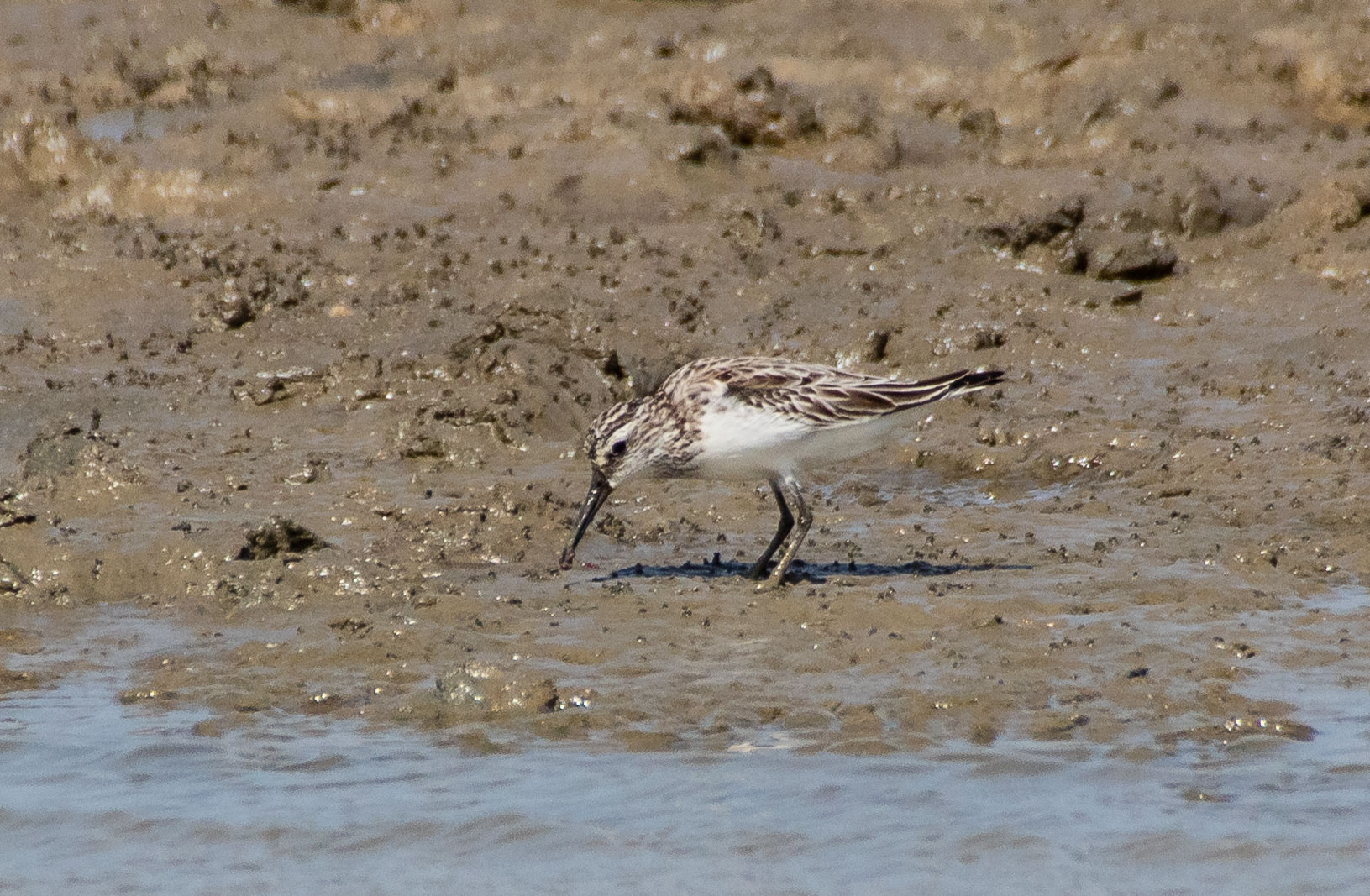
The day or rather evening was not yet over. Post dinner we were allowed to watch the BNHS team ring birds that had been caught in the mist nets from the mudflats. The “catch of the day” included Curlew Sandpipers, Common Redshanks, Little Stints, Marsh Sandpipers, Lesser Sand-Plovers, a Bar-tailed Godwit and a Broad-billed Sandpiper. We have all seen them in the field through binoculars and taken tons of photos. But nothing can prepare one to experience seeing them up close. Their beauty and delicateness is so amplified. The stand out experience for me was how small they were when seen up close! This overall experience, I was sure, would be the highlight of the trip for me 🙂 .
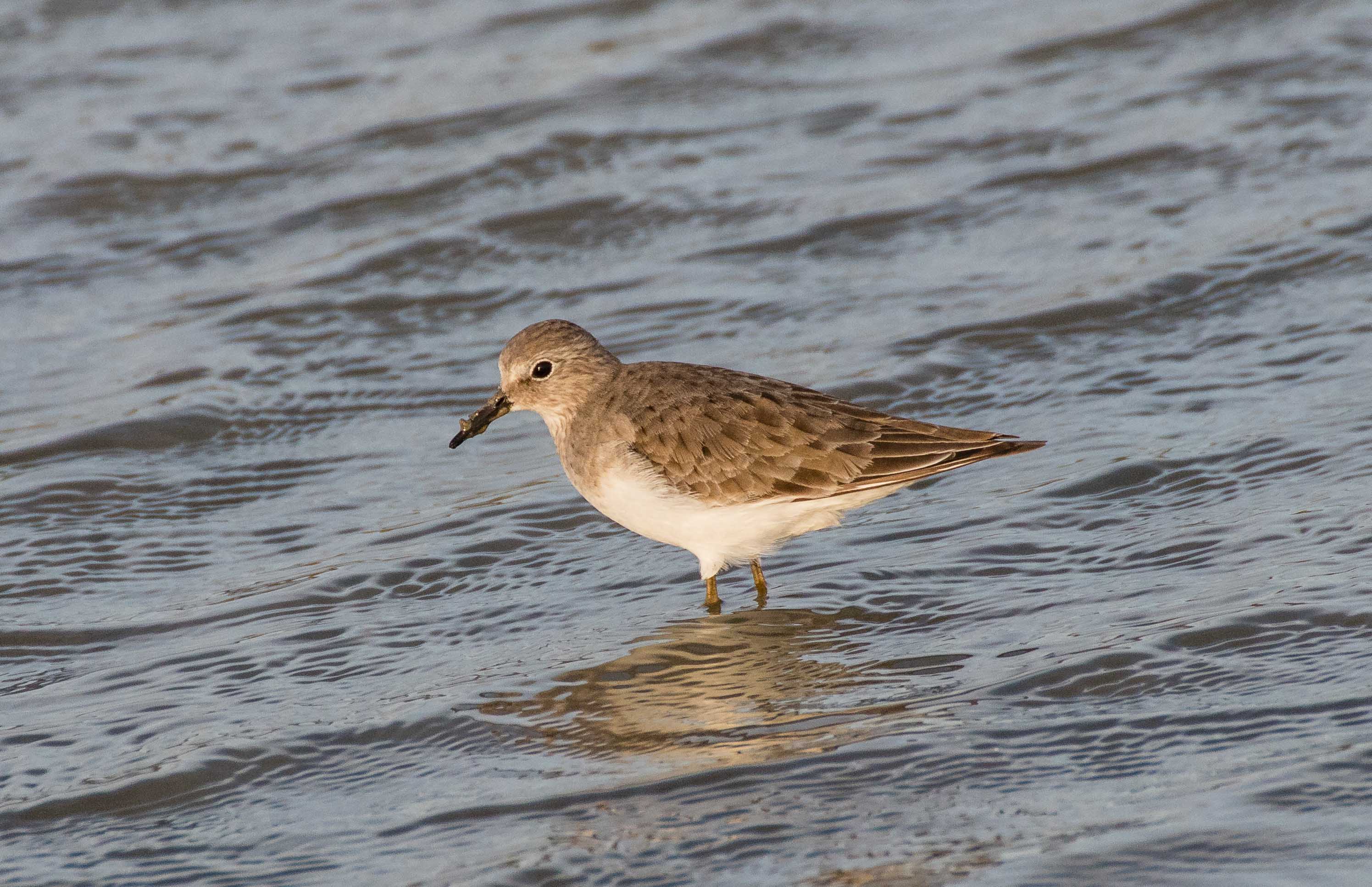
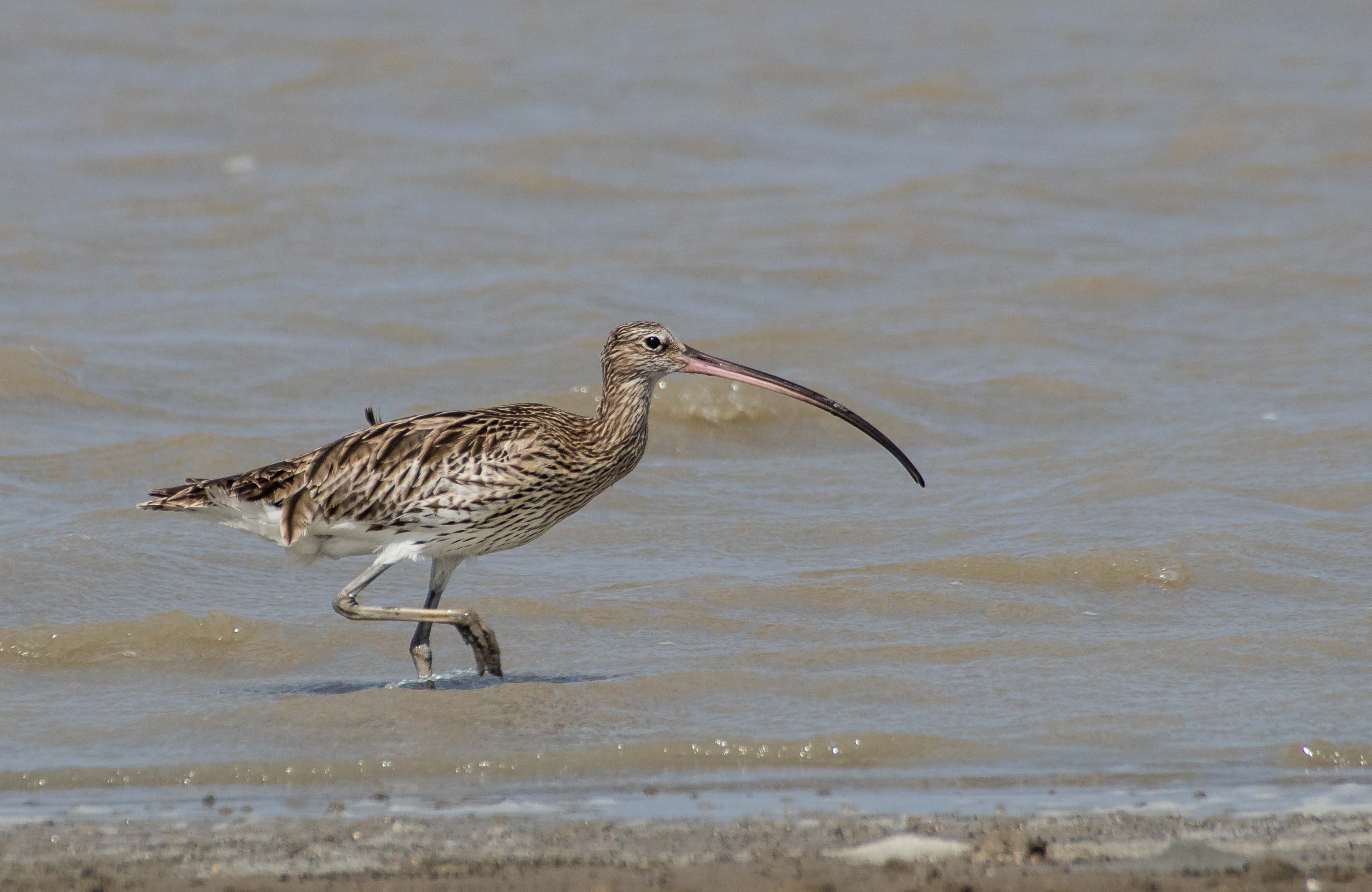
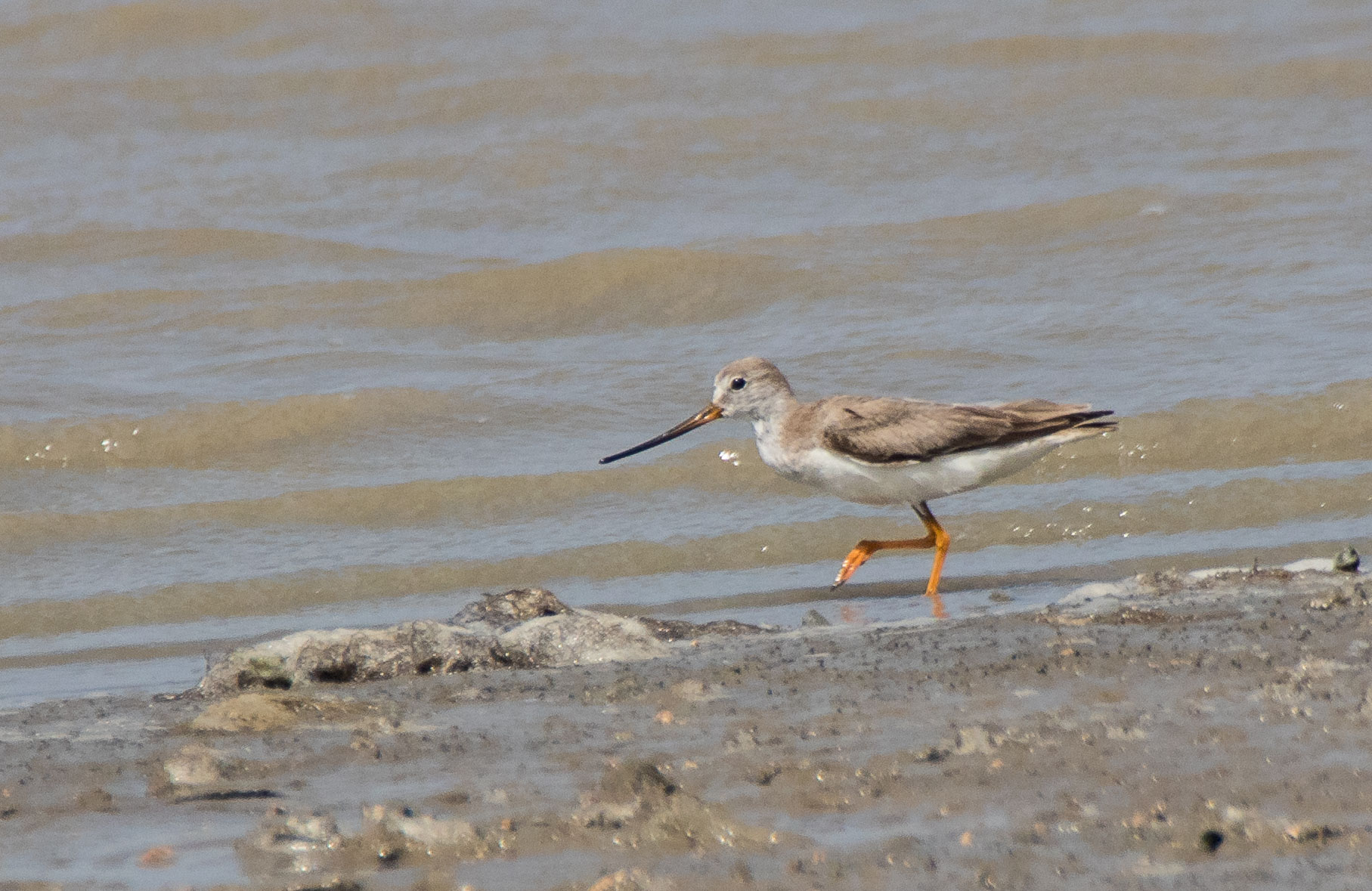
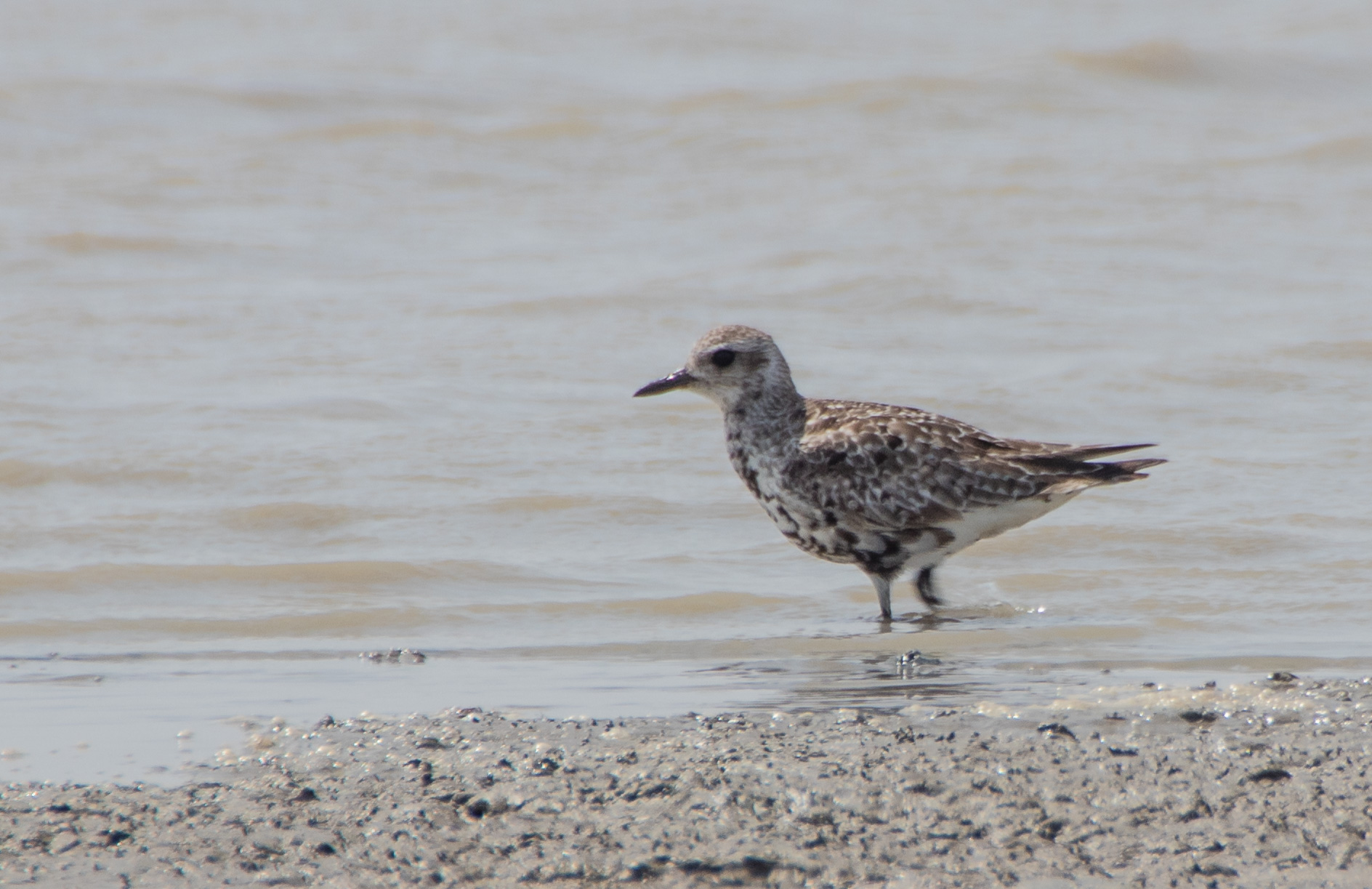
The following day was mostly spend around the mudflats and a visit to the salt pan. Here are some of the birds seen during the session:
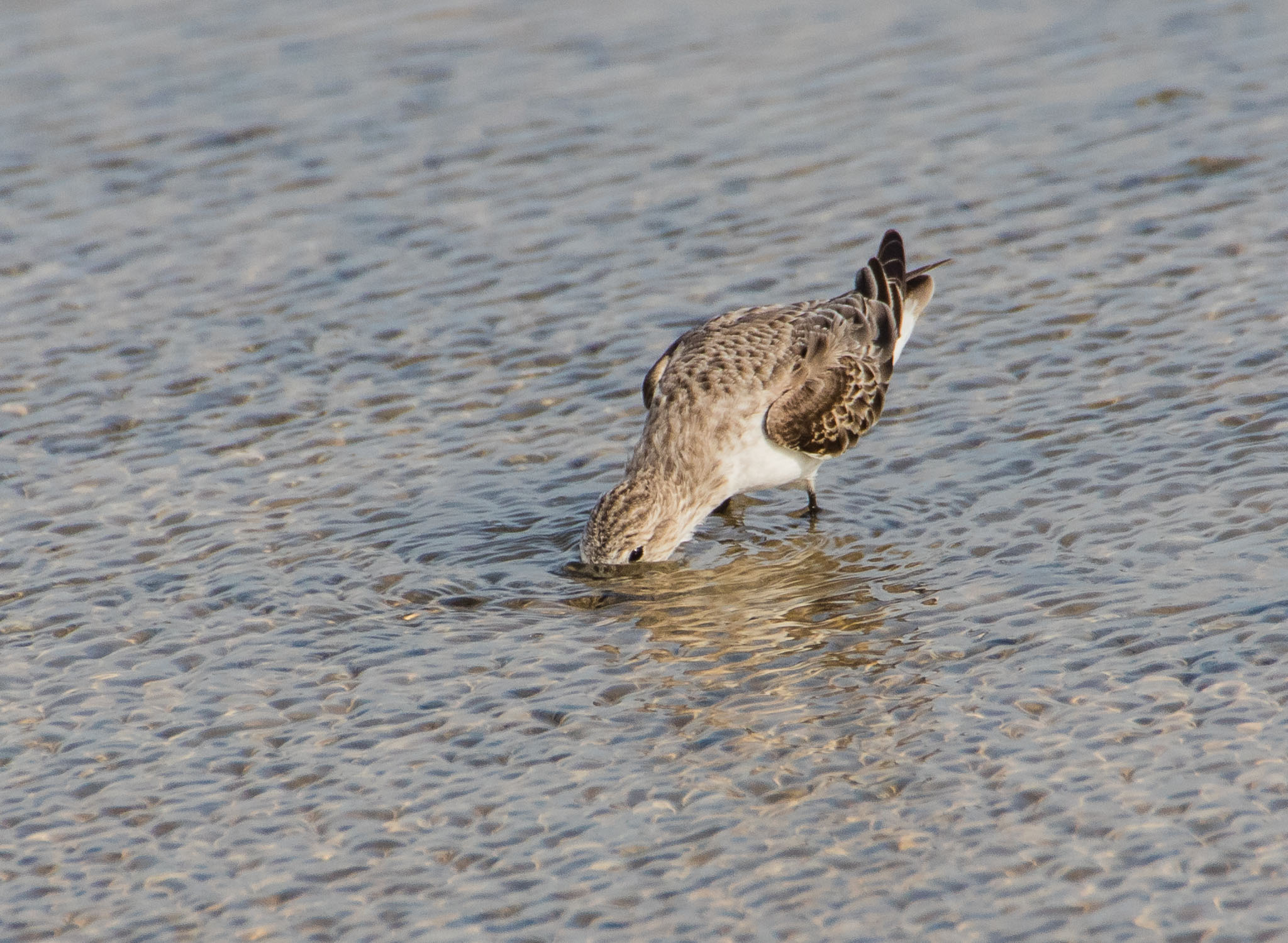
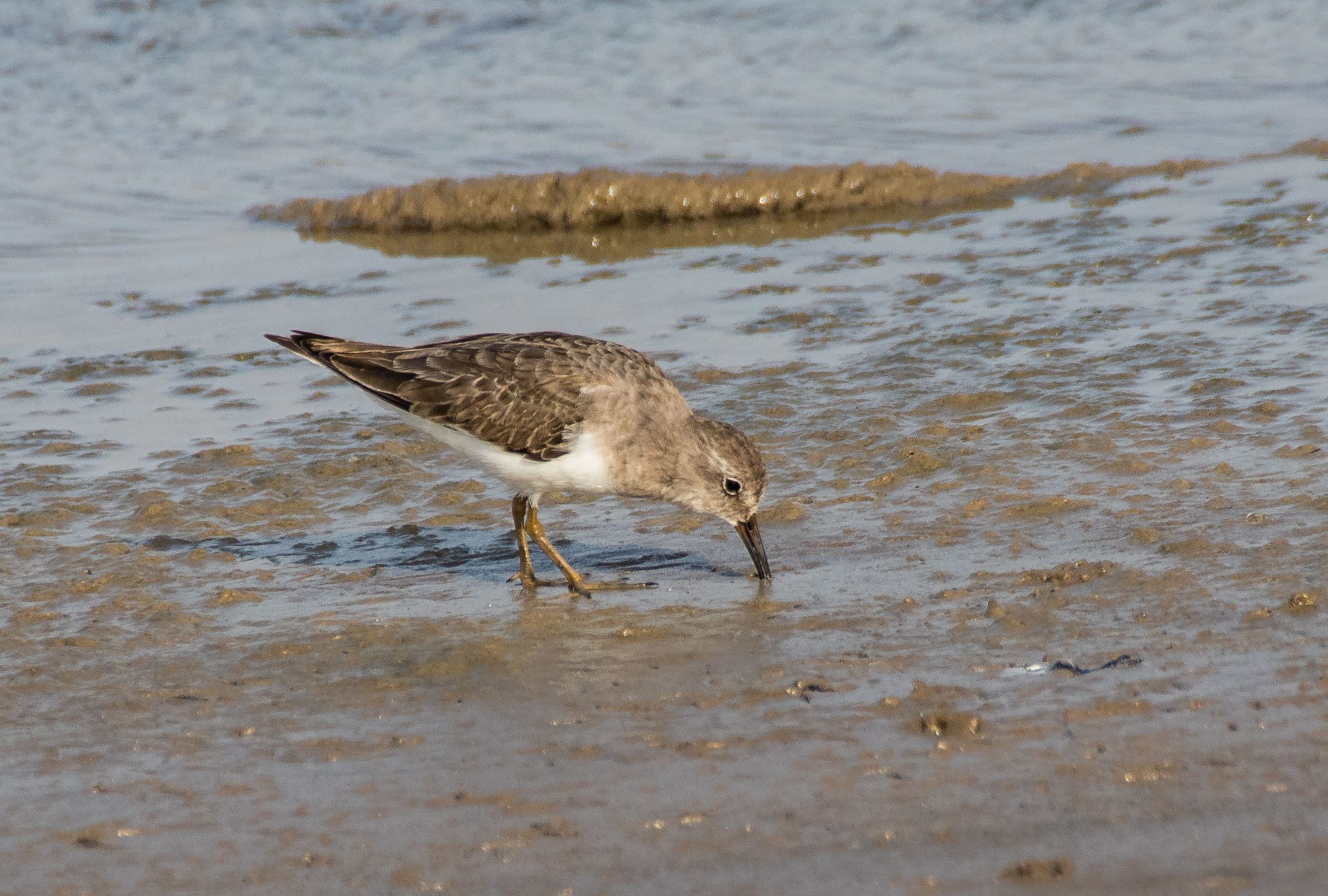
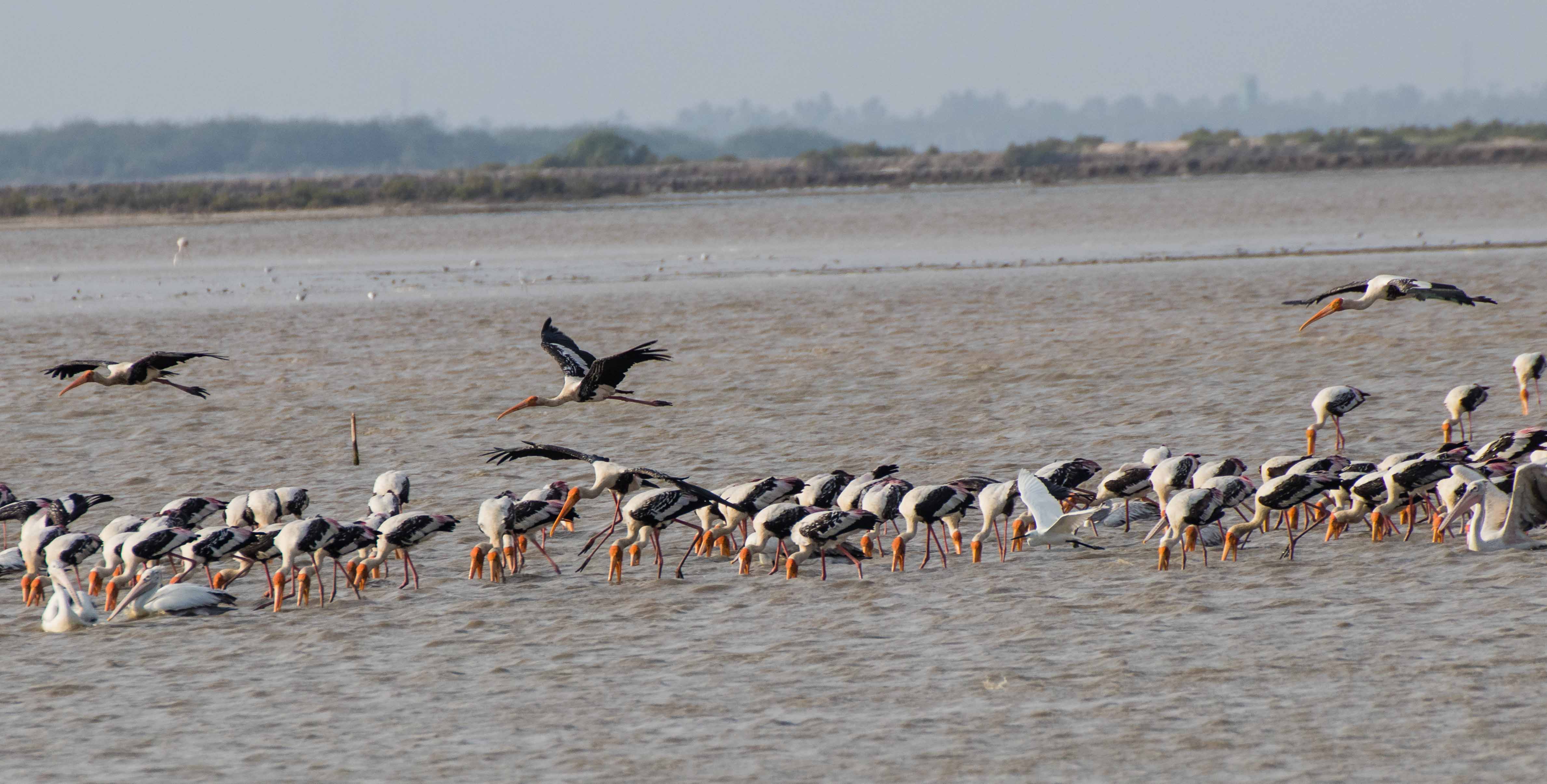

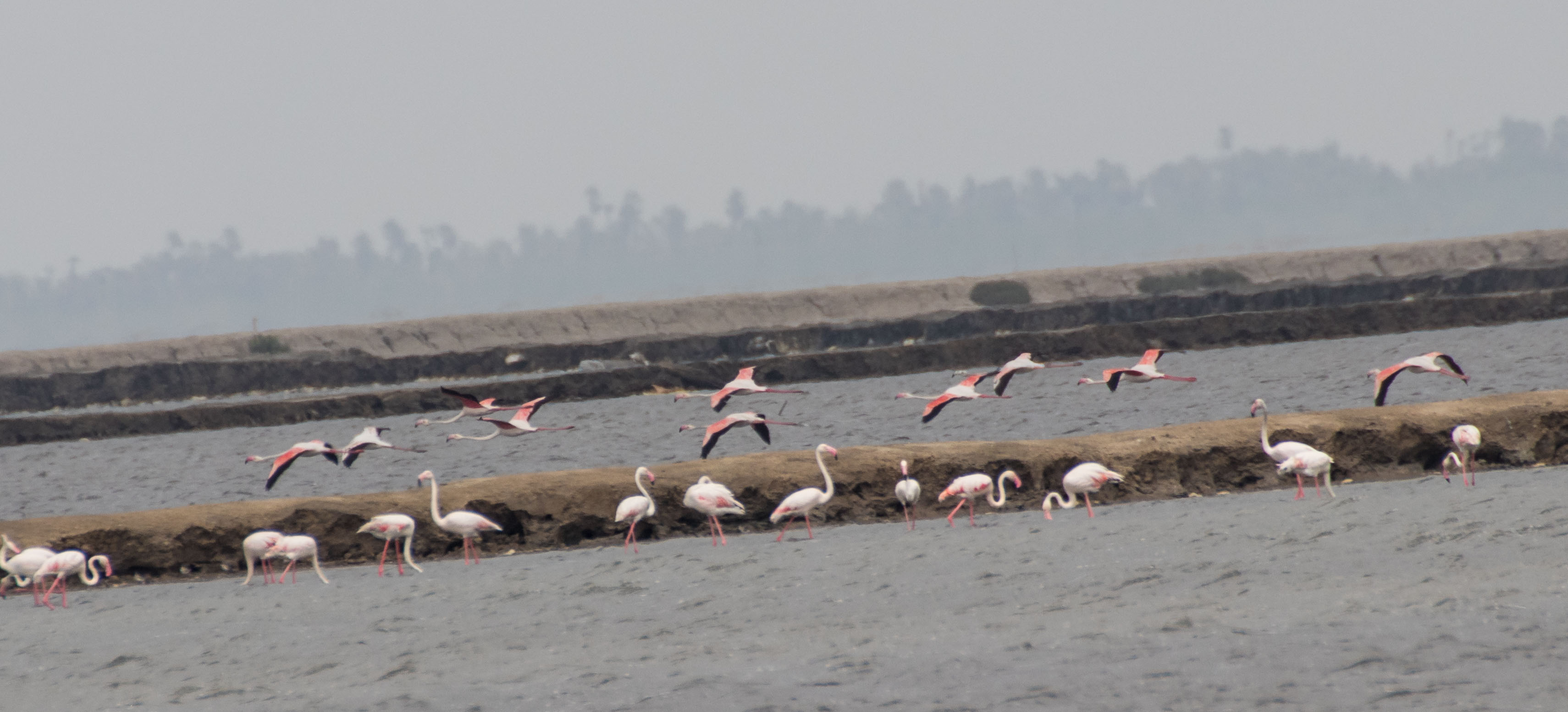
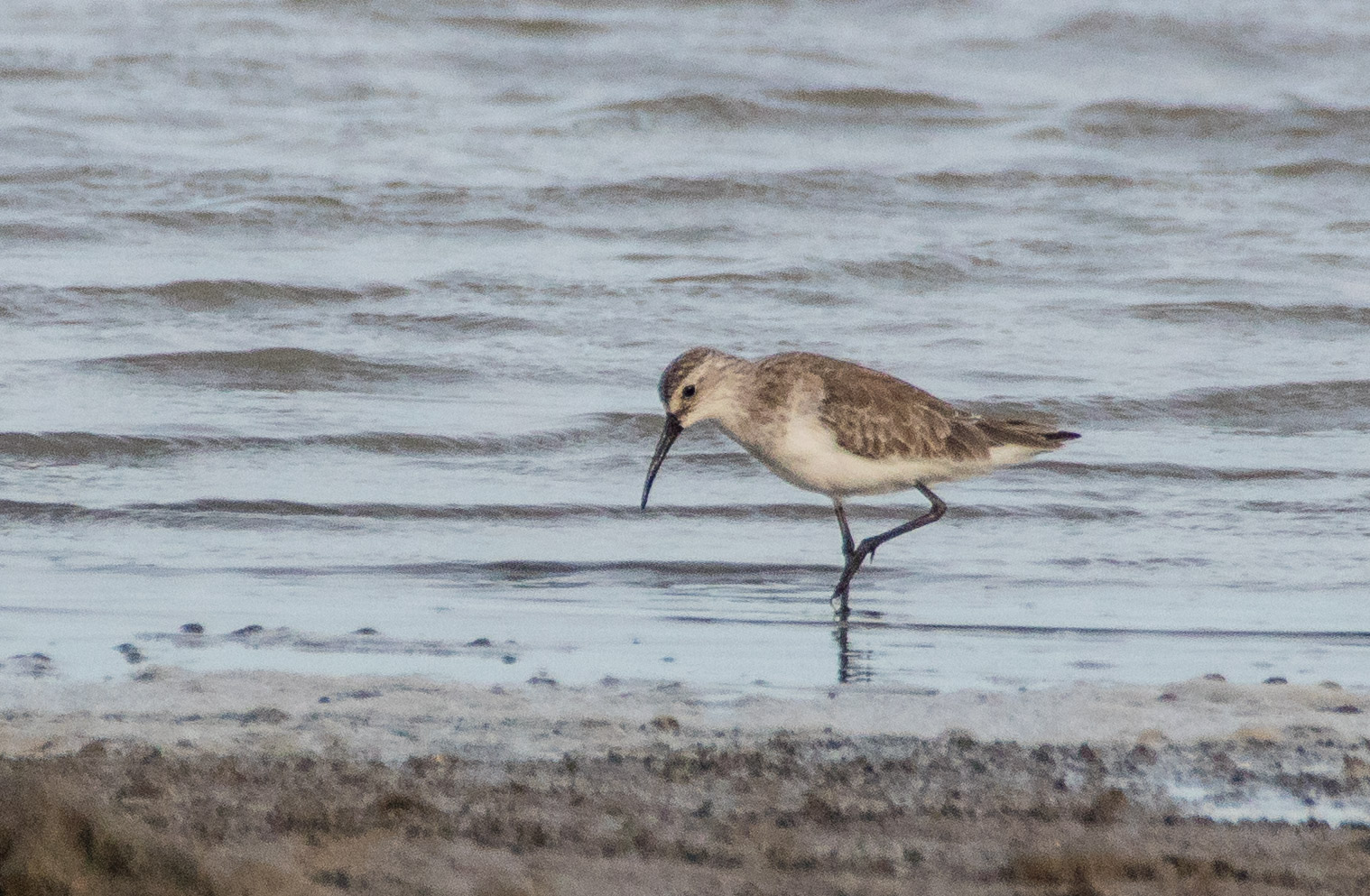
The last birding session of the trip had ended without any sighting of the Red-necked Phalaropes. But the disappointment was far compensated by the unforgettable experience of seeing some birds up close, something that I would not have traded for anything 🙂 .
Video
Here is a short video that I created from some of the sightings.
Recommendations
Here are a few things to keep in mind if you are planning a birding trip to Point Calimere:
- Have a vehicle to move around. The area is vast!
- If there are rains, the mud paths around the mudflats can be tricky to drive on, especially in a car. So be very careful
- Expect to be disappointed. Birds come in thousands and constantly move around the area. So getting to see your target species can be tricky especially if they are the uncommon ones 🙂 . But seeing large flocks moving around is a sight that is to behold
- Expect the unexpected. You may just find a rarity among the thousands that you see in front of you 🙂
- It can get hot and sunny. There will be no shade in almost all places you will need to visit. So be prepared with adequate measures like hat, water, sunglasses and sunscreen
- The wind will bring along fine sand. So be prepared to have some of it come into your clothing, equipment and vehicle 🙂
- Accommodation is pretty limited and basic around the sanctuary. So are the food options
- Get to know the tide schedule. Preferably aim for the low tide
- Weather forecast can change frequently throughout the day. The prediction of rain kept shifting out for us 🙂
If you liked this post, you may want to check my other post on shore birds here.
 Mad about Birding and Travel
It is so funny that you met Dr. Balachandran…. I had the privilege of helping him ring some migratory shore birds a few years ago at the BNHS research station there. This post took me back to that trip. It is a lovely place and your post has captured that beauty. Great read.
LikeLiked by 1 person
What a coincidence! Glad you liked the post too.
LikeLike
I agree with you. The trip was well worth it. Great photos.
LikeLiked by 1 person
Thanks 🙂
LikeLike
Lovely read as always and beautiful pics…we need to go there sometime again…🙂
LikeLiked by 1 person
Yes definitely need to. The potential is great.
LikeLike
Great post Thomas. Just loved it and amazing pics and videos. Keep the good work going.
LikeLiked by 1 person
Thanks a lot Kumar
LikeLike
Great read lovely pics! Enjoyed it!
LikeLiked by 1 person
Thanks a lot Jyothi
LikeLiked by 1 person
Gorgeous captures, and what a variety and adventure!
LikeLiked by 1 person
Thanks Donna
LikeLiked by 1 person
I am able to read and view photos only today, of course a delayed reply. It’s awesome both article and photos. My favour it place for bird watching. Congratulations 🎉 for your lovely posting
LikeLiked by 1 person
Thanks a lot. A place that I would want to visit again for birding.
LikeLike