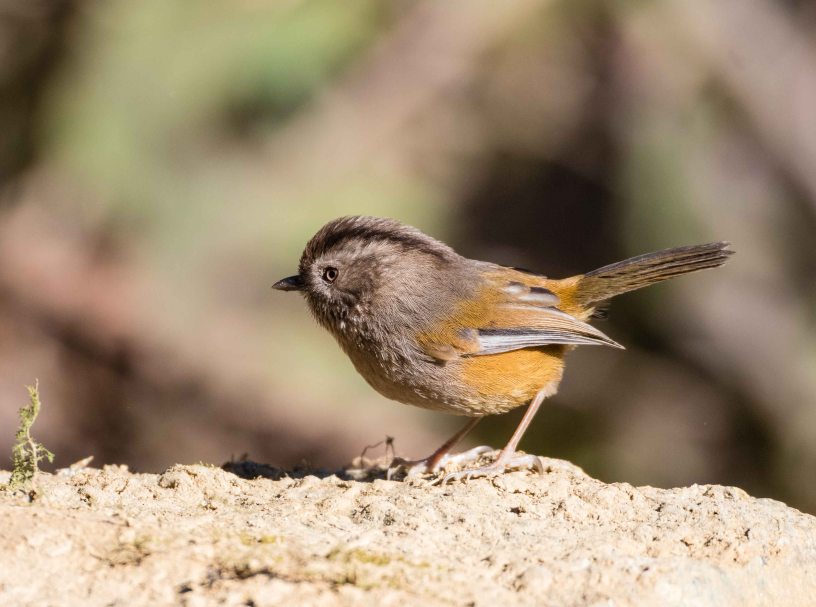
Mishmi Hills, a place legendary for its birds; a must-do birding place for birders. Every since I had heard and read about trips to the place by other birders, I wanted to visit it.
Mishmi Hills is located in the north-eastern state of Arunachal Pradesh in India. The hills are a southward extension of the Great Himalayan Mountain Range. This is said to be the richest bio-geographical province of the Himalayan zone. It is considered to be one of the mega bio-diversity hotspots of the world. The diversity of topographical and climate has resulted in the growth of forests home to varied plants and animals. Over 500 species of birds being reported from here is a testimony to the diversity.
It was in Jan 2018 that I got a message from Geetanjali sharing the details of a tour that her company, IT Nature Club, was organising to Mishmi Hills from 22nd Dec to 30th Dec 2018. It was going to take atleast 11 days including the travel to and fro from Bangalore. End of Dec is usually the time that we take a holiday as a family. So I was initially reluctant. But I was also finding it difficult to leave an opportunity that had come to me to bird in the legendary place. So I decided to discuss it with my wife. And I am glad I did; my wife, knowing my passion for birding, readily agreed to the plan 😀 . Having other known people in a birding trip is a great thing. So I inquired with some of my friends to see if any of them were also interested in joining; Kumar and Vinay also decided to join in. Thus was finalised my first birding trip to Mishmi Hills, in fact my first to the north-east region of India.
Day 0 – Dibrugarh – Tinsukia
The tour was to start from Dibrugarh in the state of Assam. It was the nearest airport to the Mishmi Hills region. As the tour was to begin at the break of dawn on 22nd Dec, we decided to reach on the 21st. We had booked the late night flight from Bangalore to Kolkata and then from there it was the first flight out to Dibrugarh in morning. As we approached Dibrugarh airport, I got my first glimpses of the mighty Brahmaputra river from the airplane window.
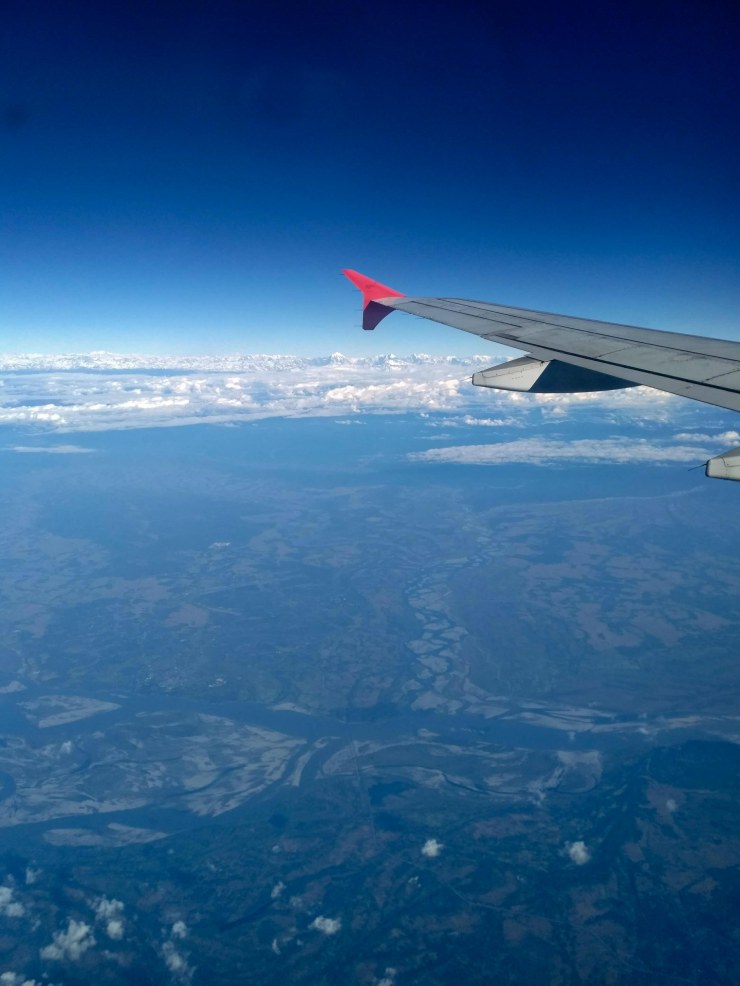
It was around 10am that we reached our hotel in Tinsukia. As we literally had the whole day to ourselves, we decided to bird in some nearby places. So a bit of rest and a good breakfast (or was it brunch?) later, we first explored the nearby bank of the mighty Brahmaputra and then hired a car and went to Maijan lake.
Maijan lake is a fairly large water body. The sun was shining strong when we started birding by 1:30pm. So we were weary on how much we would get to see. But it turned out to be a decent session. Some of the species that we got to see in the roughly two hours of birding were Oriental Honey-buzzard, Lesser Coucal, Red-crested Pochard, Long-tailed Shrike, Grey-backed Shrike, Tickell’s Leaf Warbler, Dusky Warbler, Striated Grassbird, Black-faced Bunting and Citrine Wagtail.
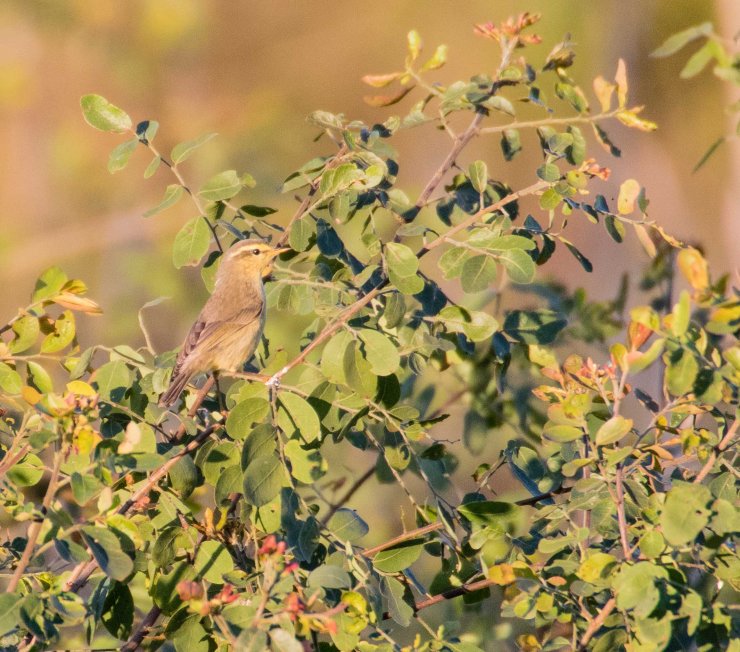
Tickell’s Leaf Warbler 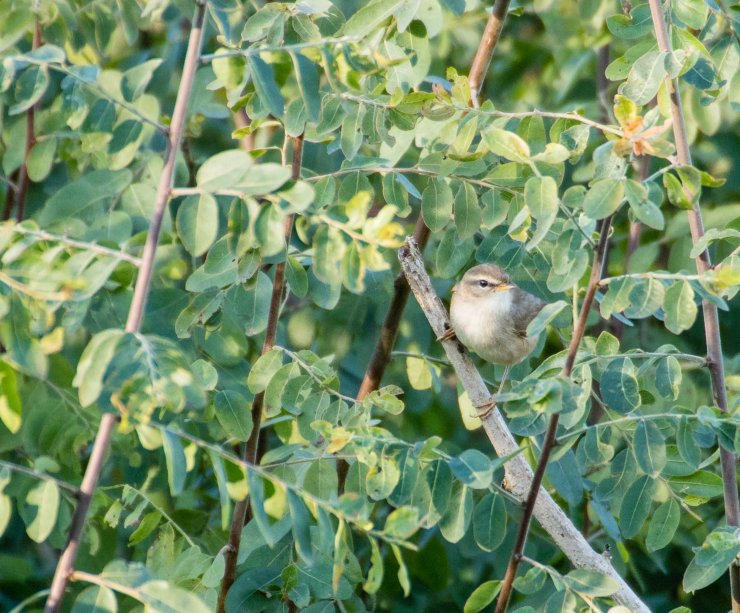
Dusky Warbler 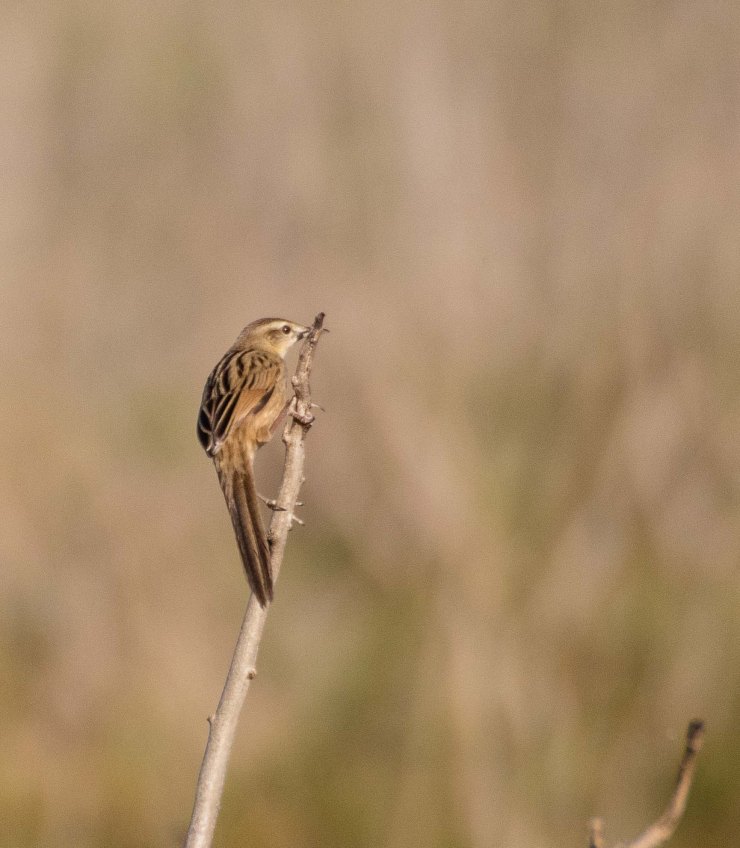
Striated Grassbird
Evening and it was time to meet our co-travellers of the tour. Geetanjali suggested that we all meet up over dinner. So off we went to Dibarur Akhal, a restaurant that served authentic Assamese meals. So it was here that we were introduced to Kushal and Chaula by Geetanjali. They say that conversations flow over good food (or something like that 🙂 ). Food was certainly good and so did our conversations flow easily.
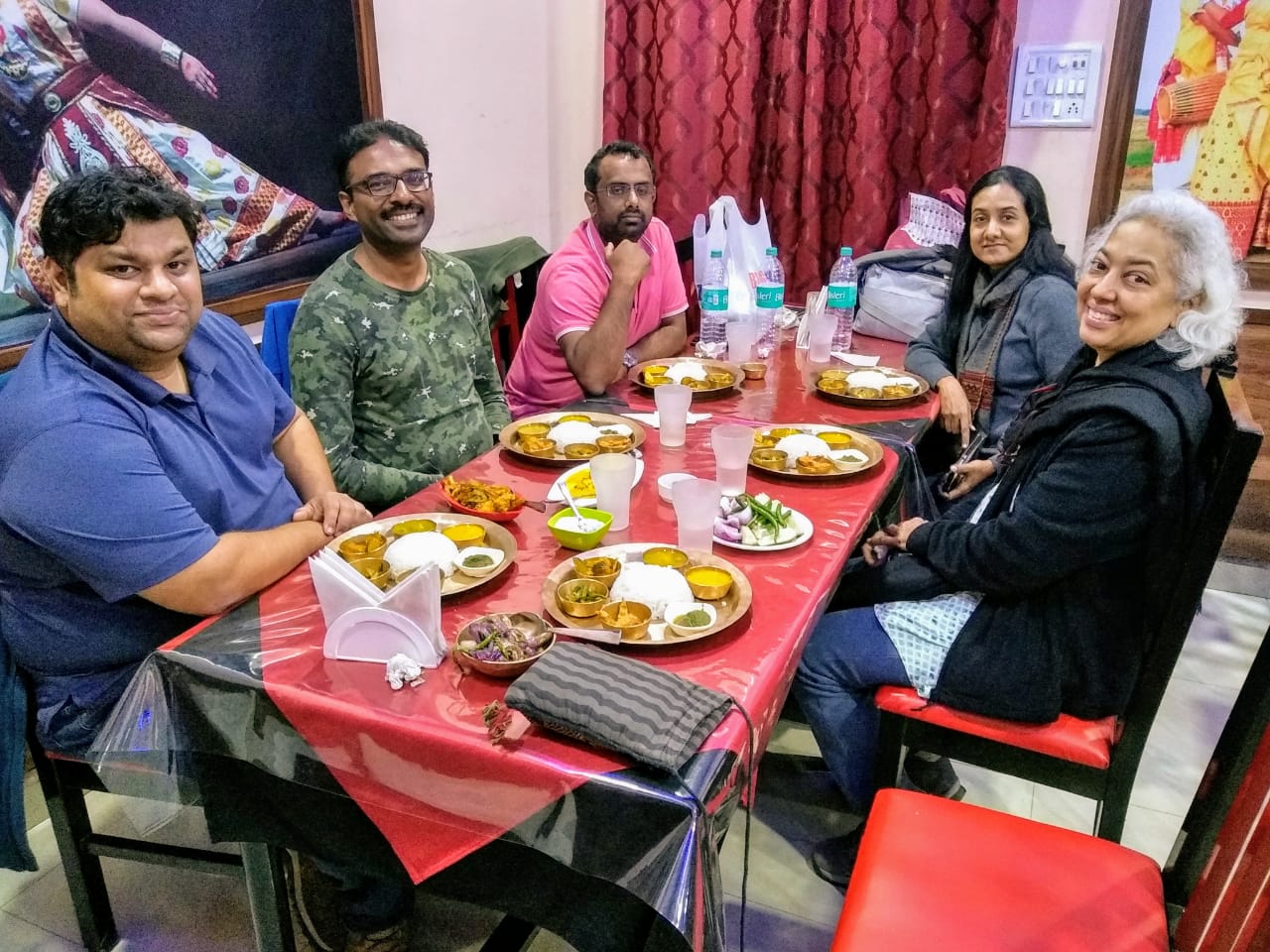
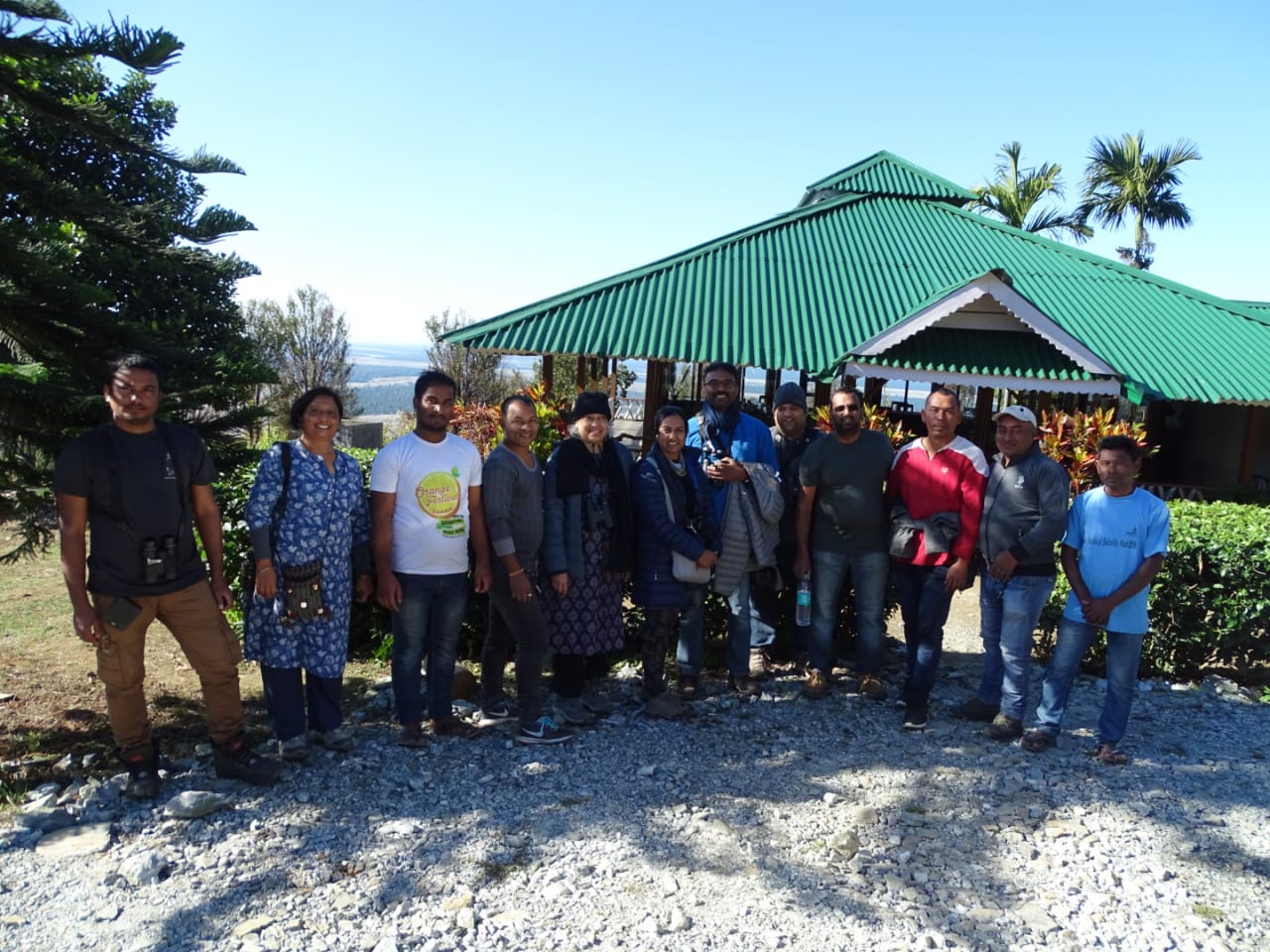
(L to R) Vinay, Me, Kumar, Kushal, Chaula
Day 1 – Tinsukia to Roing
We were out of our rooms by 5:45am and greeted the chilly morning by sipping on hot “lembu cha” from a roadside vendor; basically black tea with a squeeze of lemon. As we reached back to the hotel, we met the drivers, Bitu and Mintu, who would be ferrying us around in the tour. By around 6:30am the luggage was all loaded into the two SUVs and we were off. The broad plan for the day was to drive through to Roing, our base and entry into Mishmi Hills. It is at the foothills of Mishmi Hills and the perfect start to the hills. We would of course be stopping and birding enroute when passing any interesting spots.
We picked up Palash Phukan, our bird guide for the trip, enroute. It was a misty winter morning. We could only see the usual suspects in the fields that we perdiocally crossed. Our first stop was for breakfast. The chill had made all of us hungry. Hunger is the best appetizer. And it was proven when the piping hot Poori’s and vegetable curry were devoured by us. There were a number of Eurasian Tree Sparrows that decided to give us company where we sat. A few Great Mynas also decided to show-up just as we were about to head on.
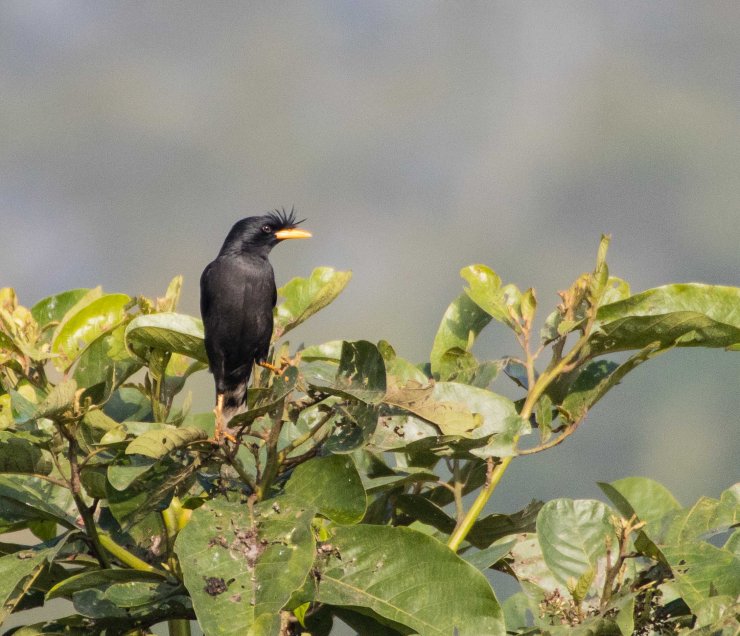
Great Myna
Our next stop was at the Doliya-Sadiya bridge. There were many other people who also had decided to stop on the bridge. The species we got to see from the bridge included Ruddy Shelduck, Himalayan Buzzard, Sand Lark, Eurasian Kestral and Temminck’s Stint.
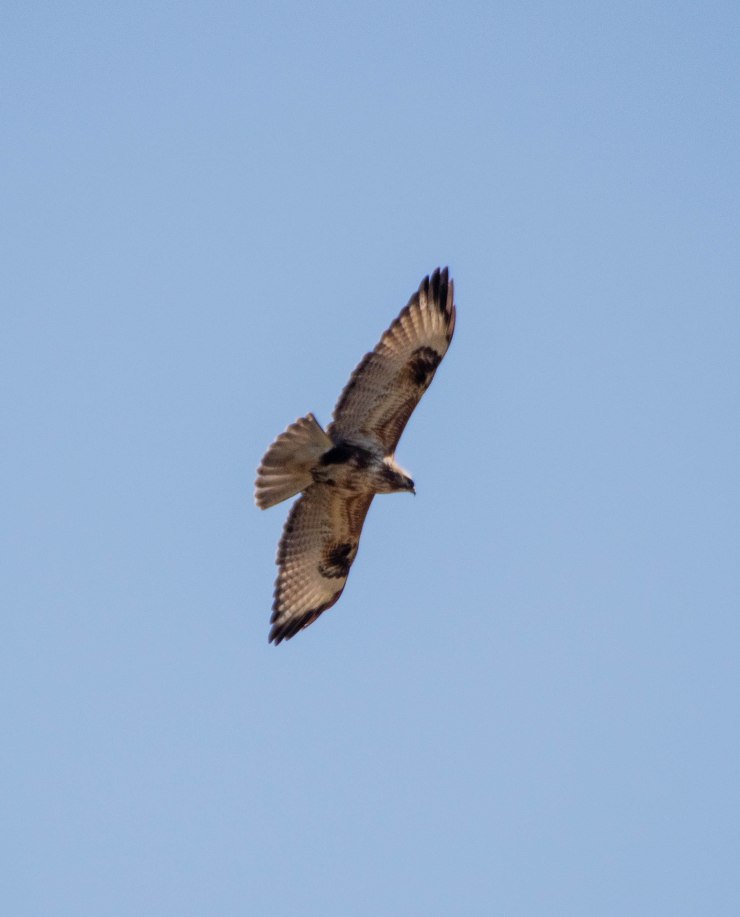
Himalayan Buzzard
Our drive further on was interrupted by the sighting of vultures in the sky; Slender-billed Vultures and White-rumped Vultures. We also sighted a few Grey-backed Shrike, Indian Roller and Striated Grassbird in a field close by.
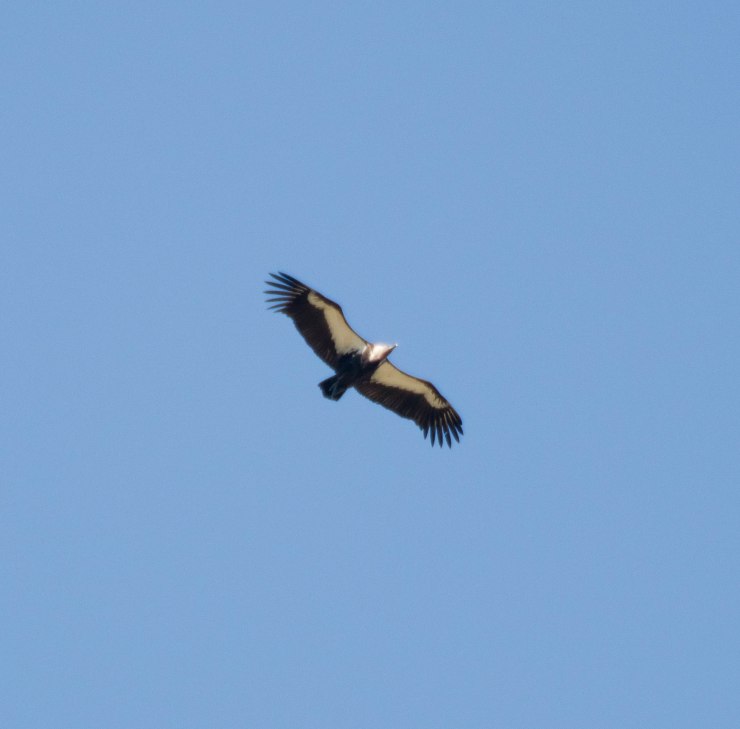
White-rumped Vulture 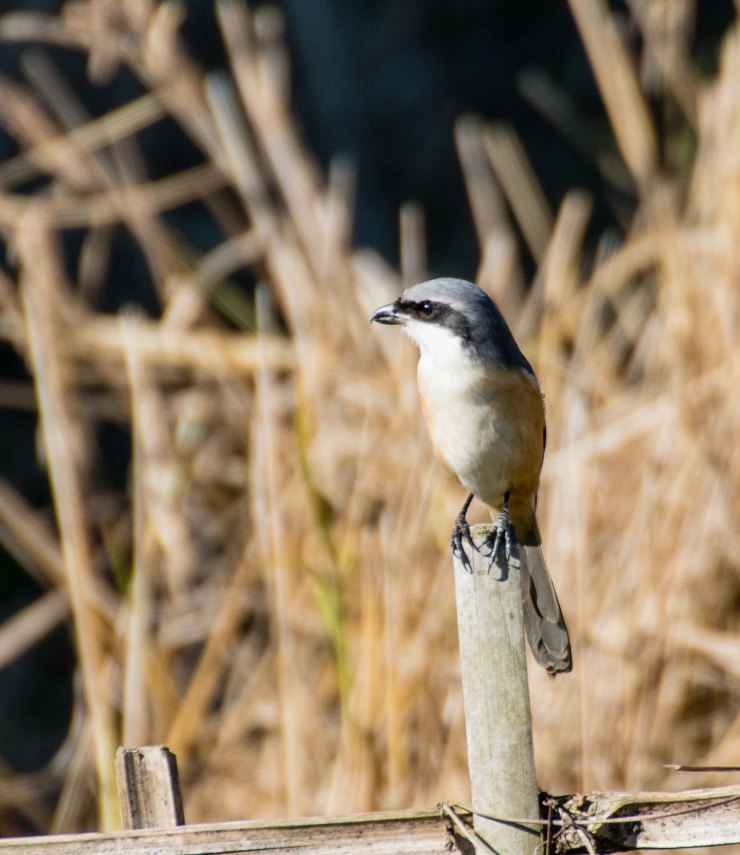
Grey-backed Shrike
Our entry into the state of Arunachal Pradesh was via the Shantipur gate. Here we had to complete the formality of showing our Inner Line Permits, something that everyone who are not residents of the state needs to take prior to entering. We were soon on our way and very soon we got our first views of the Mishmi Hills; they looked really beautiful. Ah, the anticipation of bird sighting was building up just seeing the hills 🙂 .
We reached Roing town shortly after. Our place of stay for two nights was to Dibang Valley Jungle Camp; a quaint place set in an orange orchard. To reach it we would have to leave Roing town and go on the road going up the hill. But before we headed to the camp we made a stop at Sally Lake, a spot was enroute. It was around 12:45PM when we started to bird at Sally Lake. Being towards the east, the sun sets earlier than in the central part of India. The sun would set by around 4PM. So we got around 2 hours to bird here before we decided to head off as we wanted to check into the camp before it became dark. Light was already starting to fade and with good tree cover, it was even darker. The birds that we got to see here inluded Crested Kingfisher, White-bellied Erpornis, Blue-winged Minla, Ashy Bulbul, Black Bulbul, Nepal Fulvetta, White-naped Yuhina, Whiskered Yuhina, Blyth’s Leaf Warbler, Pygmy Cupwing, Small Niltava, Streaked Spiderhunter, White-capped Redstart and Black-throated Sunbird.
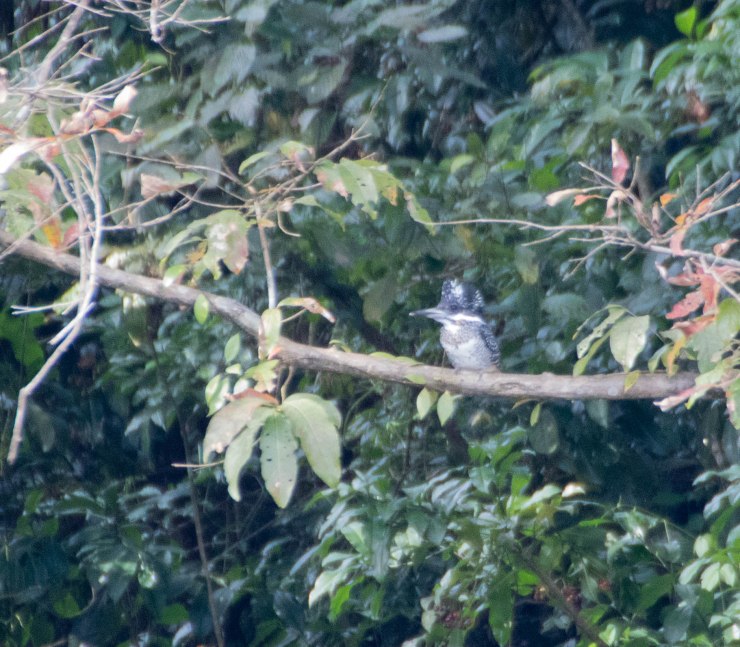
Crested Kingfisher 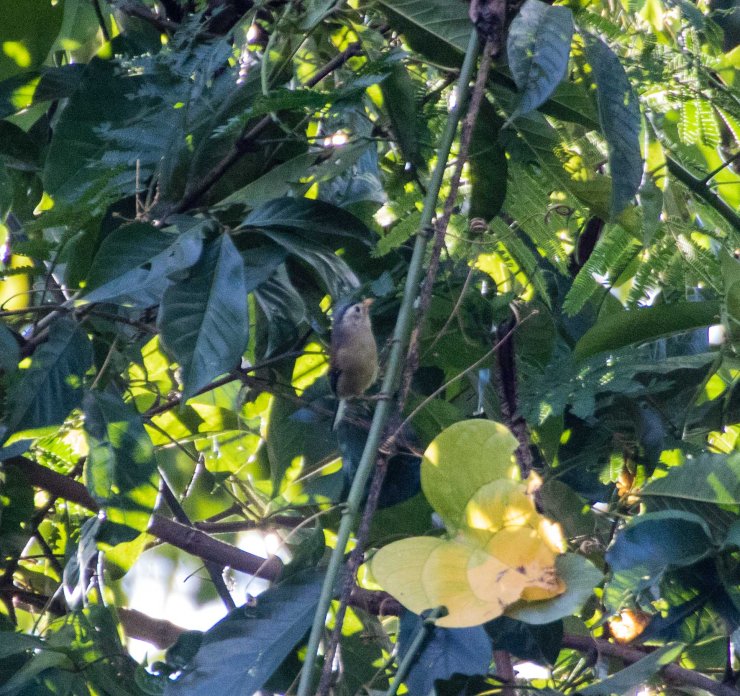
Blue-winged Minla 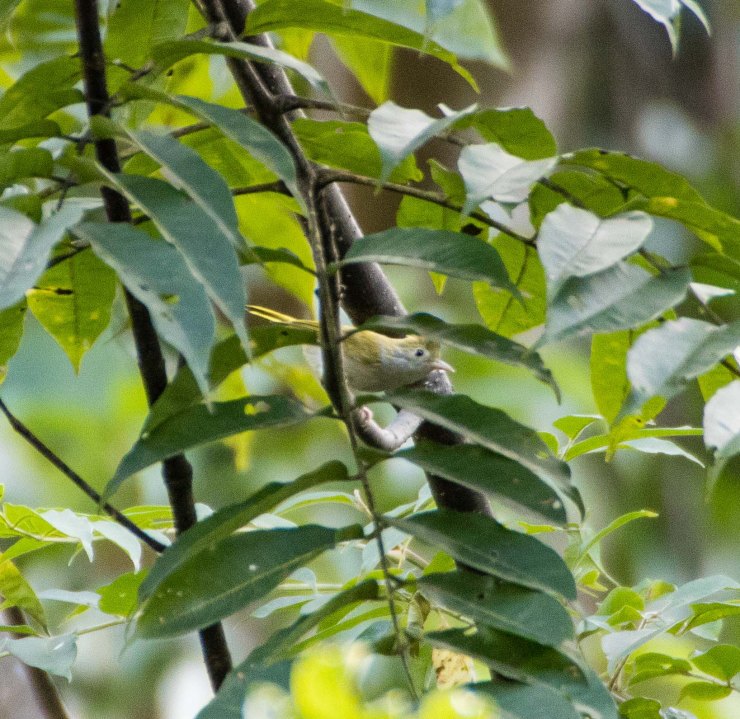
White-bellied Erpornis
Upon reaching Dibang Valley Jungle Camp, we were shown to our rooms. The rooms were really nice. Geetanjali however warned us that this was going to be the best accommodation in our trip. In the remaining places we would be staying in Government owned Inspection Bungalows or Circuit House. They would be pretty basic in comfort.
A short break and we were called to have a late lunch. None of us complained 🙂 . We were all hungry and the served lunch was a sumptuous one at that. Tummies full (or was it STUFFED?) we all then eased ourselves on to the chairs and bench overlooking the valley. It was so peaceful just to stare at the view.
It was not long that Geetanjali called us to where the cars were parked. We were to take a walk to one side of the property before it became dark. Dusk was coming in fast. But that did not stop a Yellow-bellied Fantail from enthralling us with its beauty and call as it kept flying off and on to a branch.
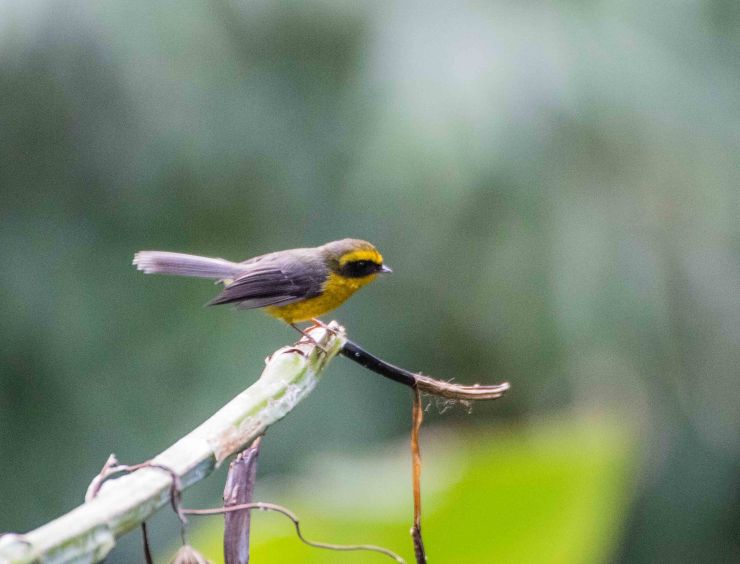
Yellow-bellied Fantail
Darkness fell and we walked back to the dining area of the camp. It was just around 4:30PM. I would certainly have to get used to such an early sunset. This also meant that the window we had to bird was shorter post noon. Sunrise would however be earlier.
Around 6:30PM we headed out to try for the Hodgson’s Frogmouth. But it was not to be. According to Palash there was too much light around owing to the Full Moon. On such nights there was only very little chance of seeing it. We were back at the camp by around 7:45PM.
Back at the camp, we all freshened up and then gathered at the dining hall. It was time to compile the bird sightings for the day. This was to be our ritual on all evenings during the tour. Post dinner we retired to our rooms for the night.
Day 2 – Around Roing/Dibang Valley
Today we would be birding in the region between the Jungle Camp and the Roing town; basically parts of Dibang Valley. We were out birding by 6AM. A Blue Rock-Thrush held out attention just next to the dining area. As we moved out of the camp a lone Maroon Oriole was basking in the sun on a dried up tree. There were two Ashy Bulbuls playing around on the tree behind. The next 2.5 hours we spent birding along the road. As we walked, Palash would listen for bird calls. Upon hearing anything interesting, we would then spend time at the spot to try and see the bird. Some of the birds that we got to see in the session were the Yellow-bellied Warbler, Collared Treepie, Scarlet Minivet, Striated Yuhina, White-crested Laughingthrush, Long-tailed Sibia and Rufous-necked Laughingthrush.
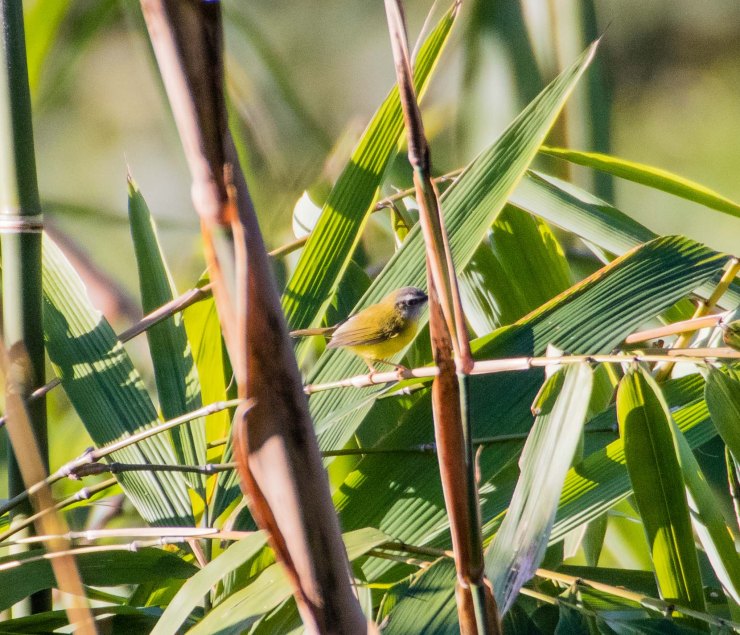
Yellow-bellied Warbler 
Rufous-necked Laughingthrush
But the star was the Spot-breasted Babbler. Supposedly a difficult bird to see, and especially to photograph.

Spot-breasted Babbler
By 8:30AM, we headed back to the camp to catch breakfast. The fresh air and the cold weather had made us all famished. The staff had hot breakfast waiting for us at the dining hall. We obviously obliged 🙂 .
By 10AM we were back birding on the road. For the next 3 hours we moved around and birded at different spots. The birds that we saw in the session included Mountain Hawk-Eagle, Black-throated Sunbird, Nepal Fulvetta, Small Niltava, Crested Serpent-Eagle, Black Eagle, Specked Piculet, Grey-headed Canary-Flycatcher, White-throated Fantail, Sultan Tit, Black-backed Forktail, Daurian Redstart, Orange-bellied Leafbird, Fire-breasted Flowerpecker and Little Spiderhunter.
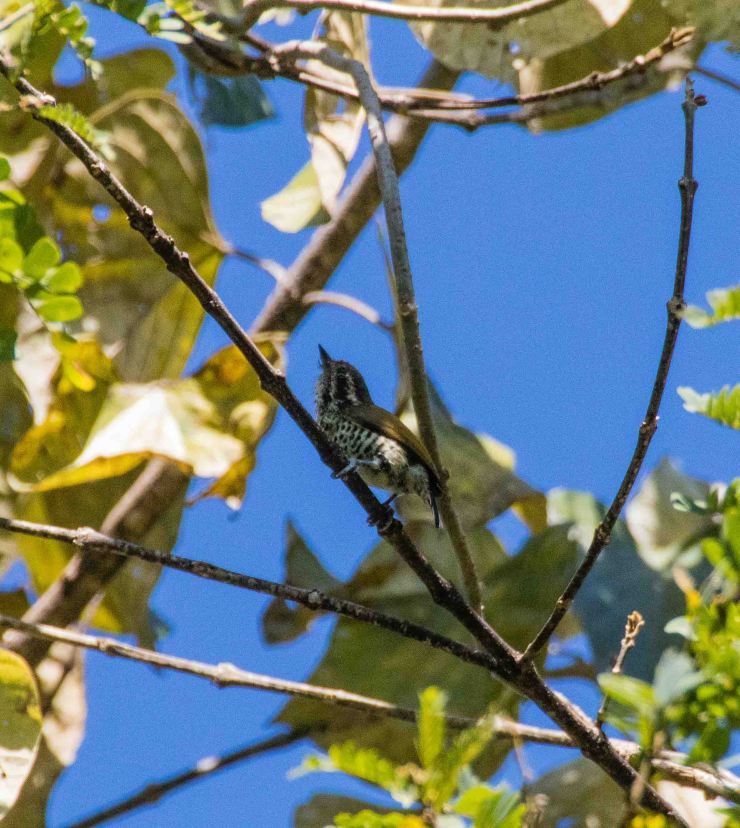
Speckled Piculet 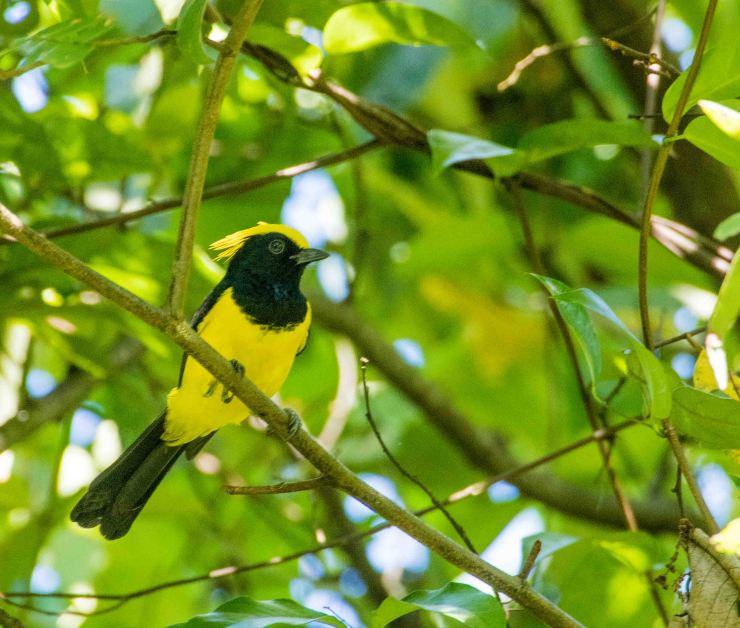
Sultan Tit
For the post lunch session we headed down to the valley and birded besides the river. The main sightings during this session was Rufous-bellied Niltava, Slaty-bellied Tesia, Plumbeous Redstart and White-capped Redstart. Here is a photo of us all birding by the river:
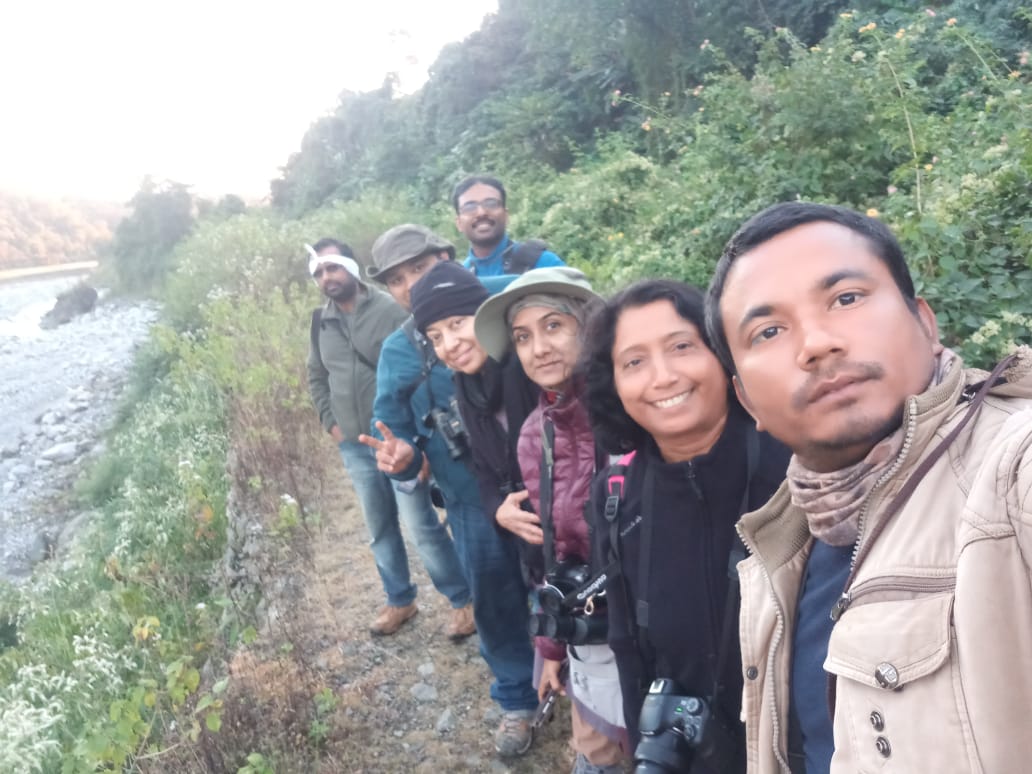
(R to L) Palash, Geetanjali, Kushal, Chaula, Vinay, Me, Kumar
We again tried for the Frogmouth once darkness fell. But again luck did not favour us. Just as we neared the dining hall area, I saw a bird fly from roadside tree stump; it was certainly an Owl. A search for it ensued and we finally managed to get good views of it; a Brown Hawk-Owl. This was to be our last sighting for the day.
Day 3 – Dibang Valley to Hunli
Today we would be travelling upwards on the hill; this would take us through Baramile (12th Mile) Tiwarigaon, Mayodiya Pass, 65 KM and finally halting at Hunli. We would, of course, be birding enroute on the road. But the morning session before we headed out on the road was to cover parts of the area just around the Jungle Camp; and what a fruitful session it turned out to be. The first birds to greet us were a Maroon Oriole and Ashy Bulbul.
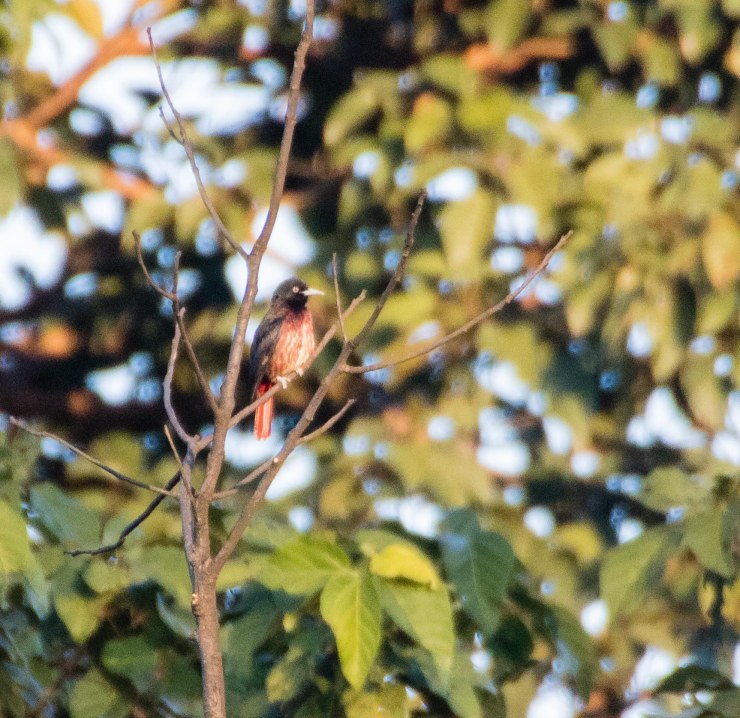
Maroon Oriole 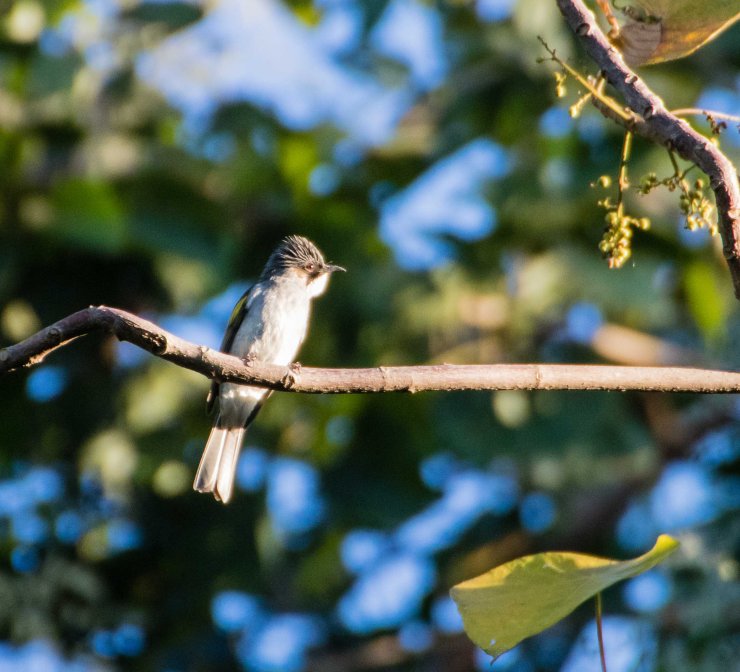
Ashy Bulbul
Of course there was the ever present Yellow-bellied Fantail. Giving them company were the Scarlet Minivets. As we entered the bamboo thickets and thick tree cover, it became almost a frenzy. Birds that showed up included Grey-headed Woodpecker, Common Green-Magpie, Lesser Racket-tailed Drongo, Greater Racket-tailed Drongo, Lesser Rufous-headed Parrotbill, White-hooded Babbler, White-crested Laughingthrush, Lesser Necklaced Laughingthrush and Red-billed Scimitar-Babbler.

Red-billed Scimitar-Babbler
By this time, I had realised that most birds preferred to stay in the undergrowth, move around fast. So one had a small window of opportunity to see them on most occasions. So I decided to enjoy them using my binoculars and in the uncommon instance where they were “benevolent”, I would try and take a picture; like the Red-billed Scimitar-Babbler above 🙂 . This was to be my strategy going forward in the trip.
After breakfast, it was time to bid farewell to the Dibang Valley Jungle Camp and its staff. It has been wonderful to stay at the place. Bhavesh, the lead cook, would be accompanying us for the rest of the journey though. We were in capable hands 🙂 .
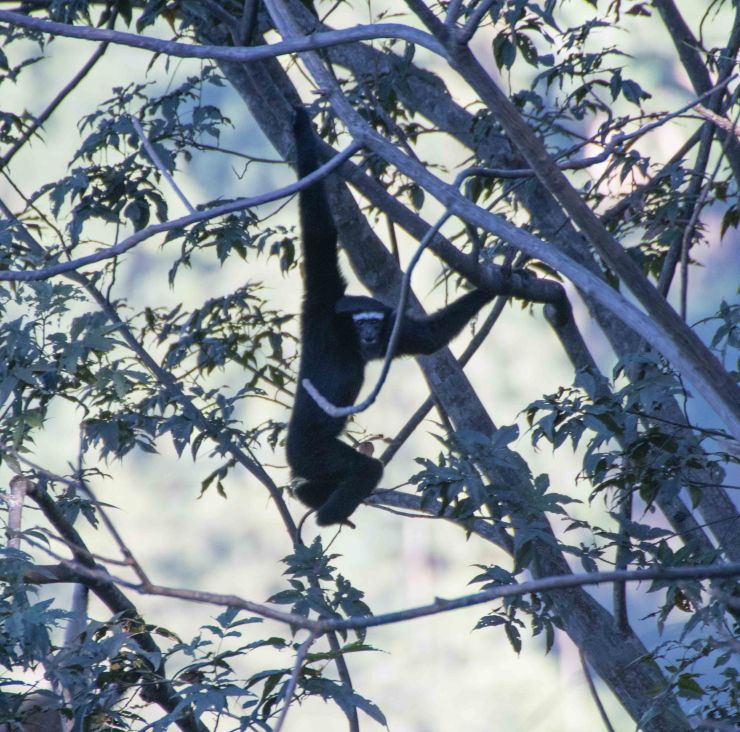
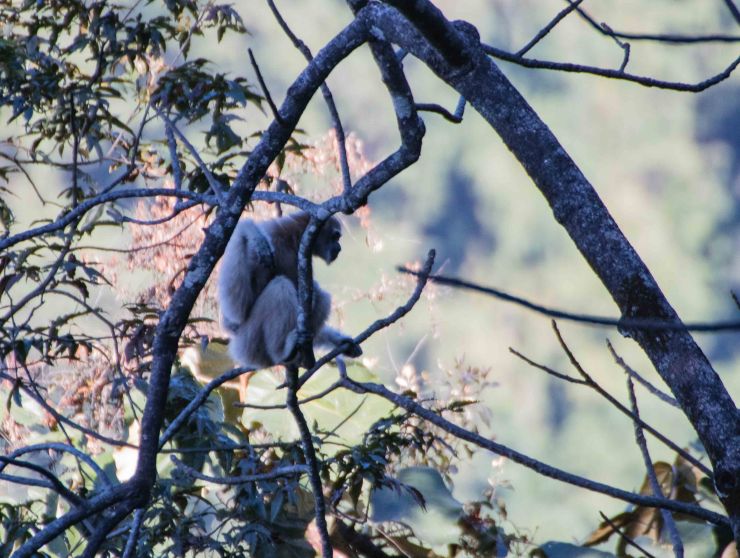
The first stop, an abrupt one at that, was not any birds. It was for something mostly heard than seen; the Hoolock Gibbons! We had heard their howls on the two mornings. But sighting them was a bonus indeed. There was a small group that were sitting on a tree not very far from the road side. They started to scamper away upon seeing us looking at them. But not before we took some pictures.
Our next stop on the road was around the 12th Mile. Here we saw Red-headed Trogon, White-crested Laughingthrush and a Spotted Forktail.
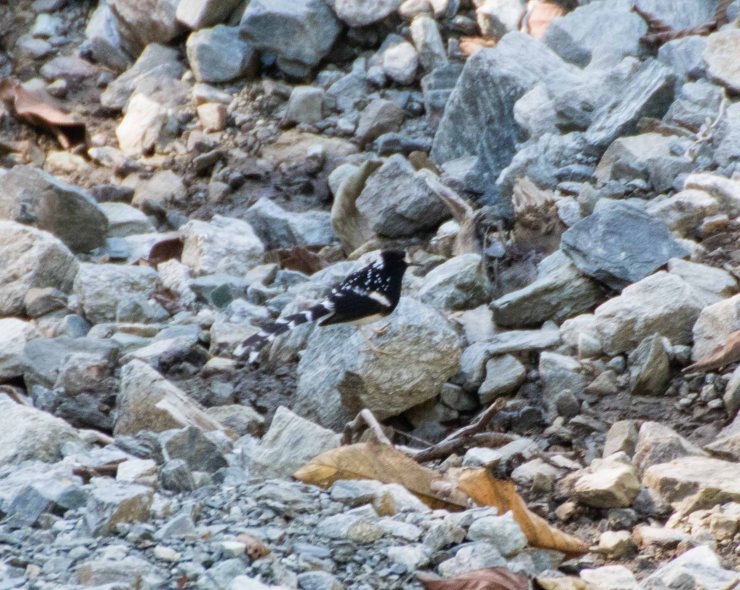
Spotted Forktail
A walk in another stretch had us seeing Mountain Bulbul, Ashy-throated Warbler, Grey-hooded Warblers and White-naped Yuhinas. There was a sudden flury a large flock of Yellow-throated Fulvetta among which there were also a couple of Grey-throated Babbler . A reminder that every flurry of bird activity deserves a closer inspection as there may be more than meets the eyes initially. As we moved away from this flock we got a fleeting glance of a couple of Blue-winged Laughingthrushes, a bird considered difficult to see. Our disappointed of not getting better views of the laughingthrushes were wiped away by good views of several Rusty-fronted Barwings.
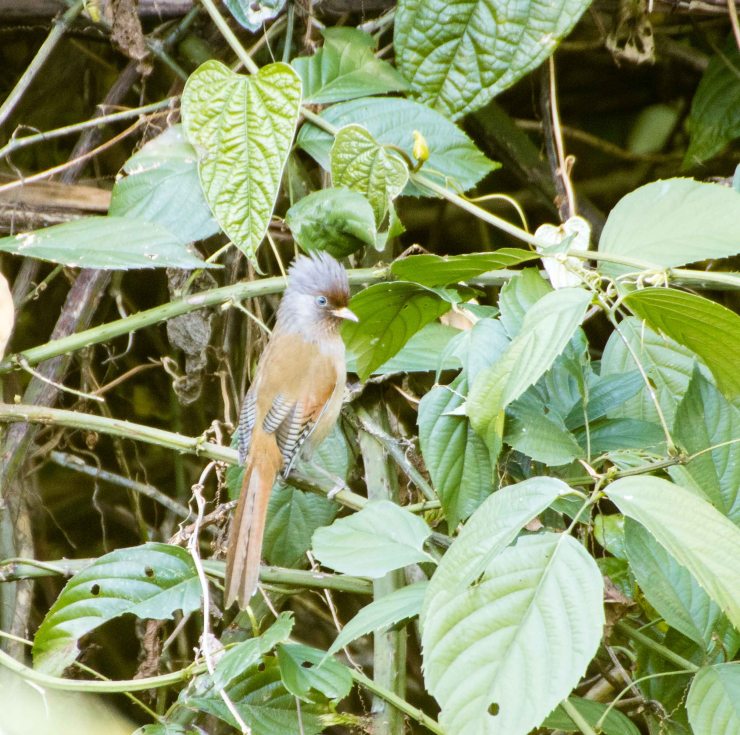
Rusty-fronted Barwing
Our next main birding stop was at an area with lots of bamboo, just after the famous Mayodiya Coffee House. And we were not disappointed. They were a very large flock of Black-throated Parrotbills, moving about in the bamboo. They finally came out at a spot and gave us enough time to get decent views.
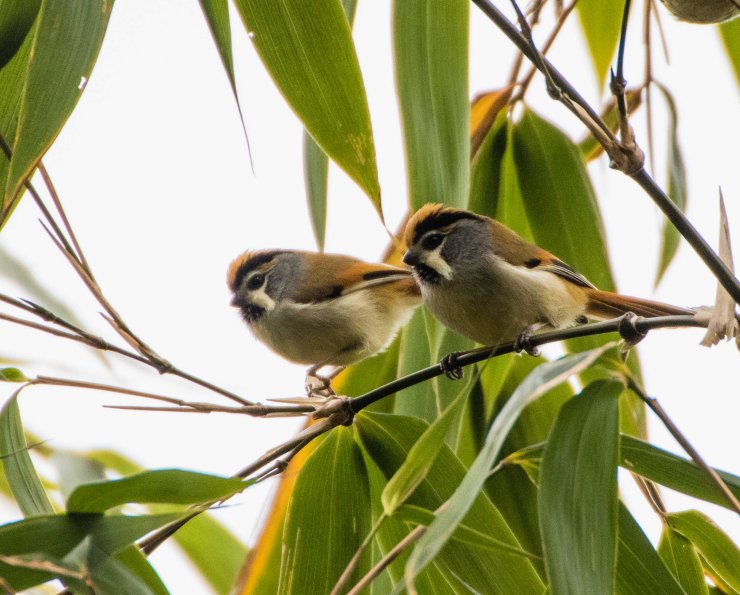
Black-throated Parrotbill
We reached our place of stay in Hunli around 6PM. It was a government Inspection Bungalow. The power to entire town would go out by a certain time at night (8PM if I remember correctly). So it was essential that we completed the essential activities (like eating dinner) before that. Once we were shown our rooms, Bhavesh along with the local staff, got about preparing dinner. In the meantime we got together and compiled the bird sightings of the day. Post having piping hot dinner, we retired to our rooms for the night.
Day 4 – Hunli to Anini
Though the distance to Anini was not that big, the terrain and the road would mean that it was going to be a long drive. But as was the routine, we would also be birding on the way. There was road works ongoing to widen the road to Anini. As it was hill road, this meant they would be undertaking controlled explosions.
We had been informed of the staff at Hunli of road closure at a particular section of the road for road works. This meant that we would need to cross the section by 7:30am. So we began our journey by 5:30am. As we drove along, we periodically saw Forktails leading the way for us. Well, technically no; they would be foraging for food on or near the road side as we approached and seeing our vehicles they would fly a distance further down the road. This would keep repeating a few times till they finally disappeared into the hill-side vegetation. The Forktails that we were seeing were the Slaty-backed Forktail and Black-backed Forktail.
Bitu and Mintu managed to keep good pace on the road so as to reach the particular patch before 7:30am. However when we reached, we found fallen rocks and boulders on the road, though we had reached earlier than the time designated for the planned explosions 😦 .
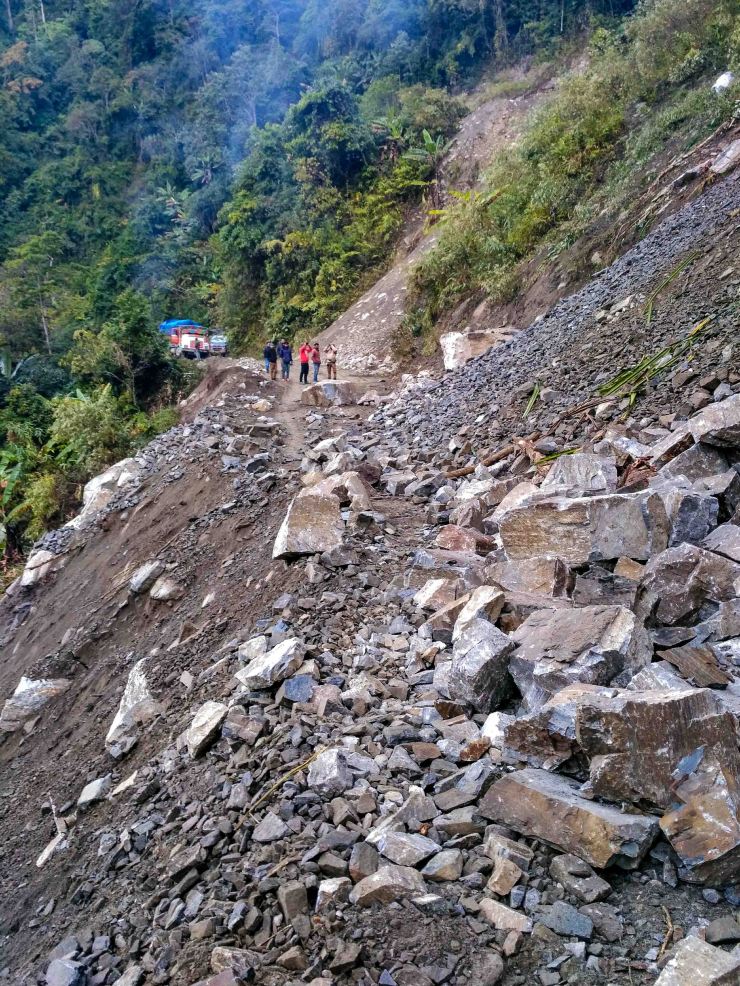
Talking with some workers we got to know that some sections of the area had caved in some time earlier in the night. Guess we were lucky then (on the positive side)! Well, such is the nature of travel on hills; a reminder that nature is more powerful than man. In a while, a bulldozer came and cleared the path and we headed off.
Soon a couple of birds had us pulling over to an almost sudden stop; they were two Wedge-tailed Green-Pigeons.
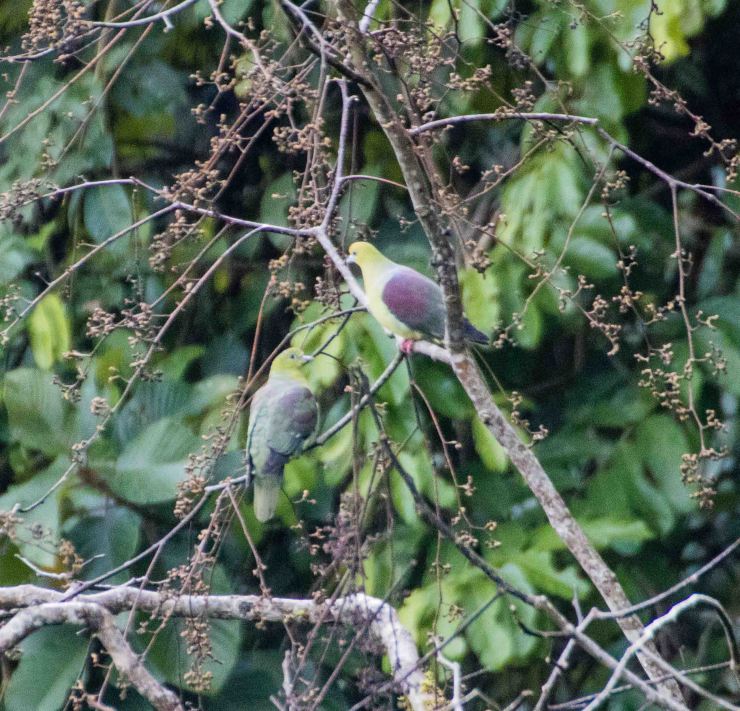
Wedge-tailed Green-Pigeons
Further on a Golden-throated Barbet and Great Barbet looked completely disinterested in us though we peered at them for a while. As we drove further on to Etalin, we saw a flock of Silver-eared Mesias, Bronzed Drongos, Mountain Bulbul, Chestnut-headed Tesia, Grey-chinned Minivet, Striated Yuhina, Chestnut-bellied Rock-Thrush and Orange-bellied Leafbird.
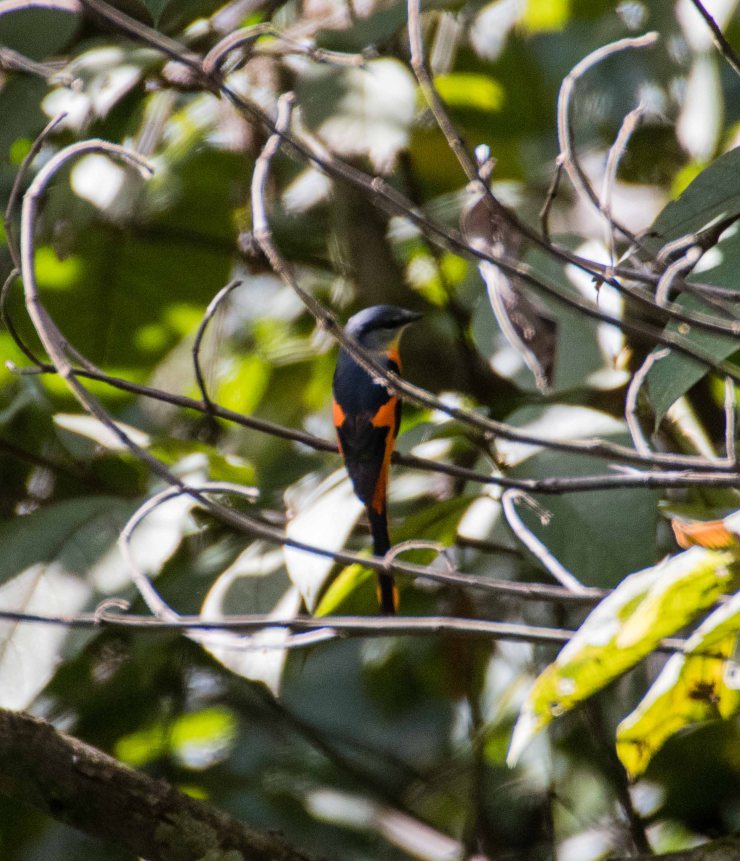
Grey-chinned Minivet 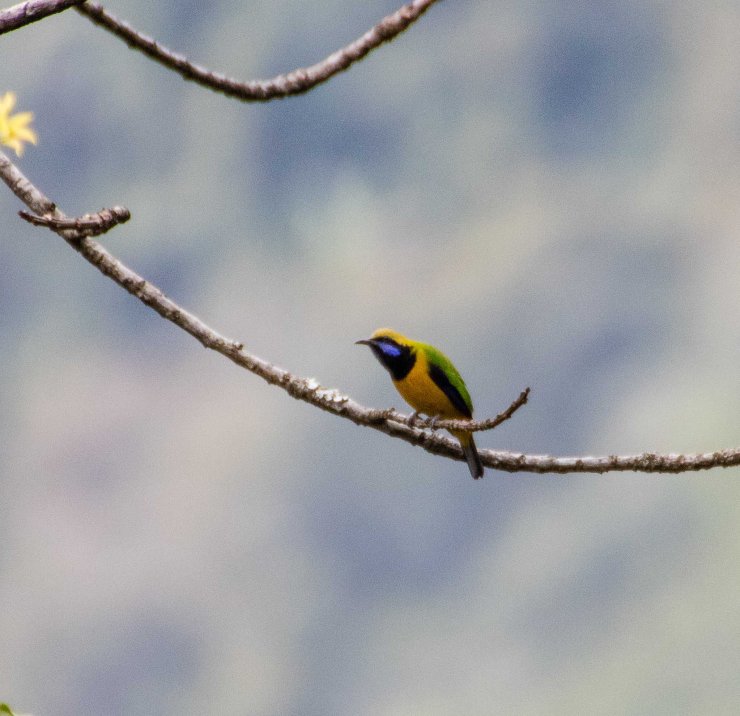
Orange-bellied Leafbird 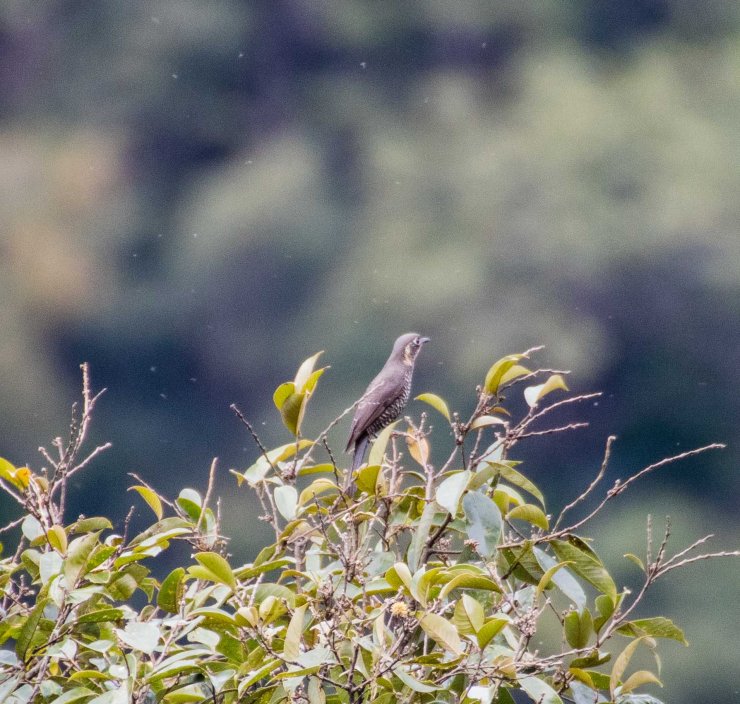
Chestnut-bellied Rock-Thrush
Soon we came to a section which gave us first views of a Wallcreeper busily looking for food on the moss covered hill-side.
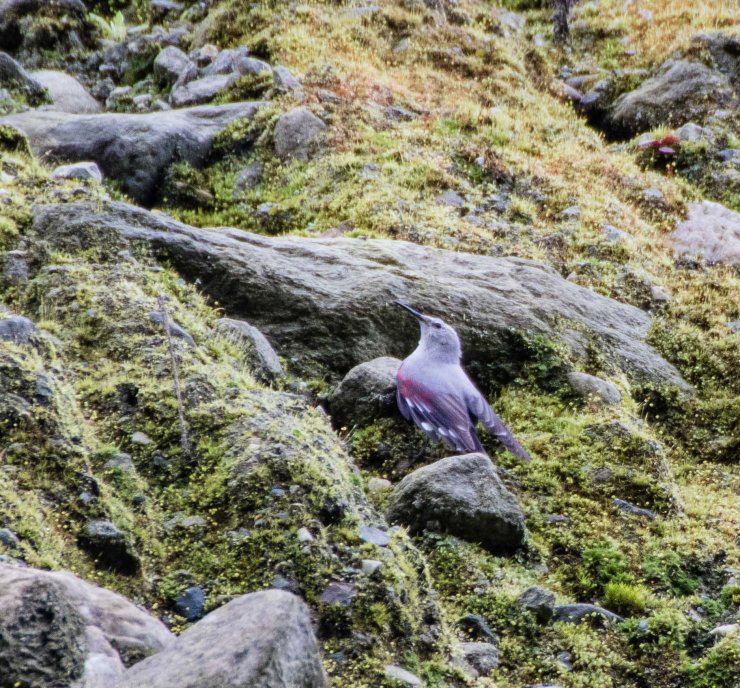
Wallcreeper
Our stop for lunch was at Etalin. While Bhavesh was coordinating getting food prepared at an eatery, we decided to walk around and explore. Here we got theBrown Dipper, White Wagtail, Hodgson’s Redstart, Olive-backed Pipit and Daurian Redstart.

Daurian Redstart (F) 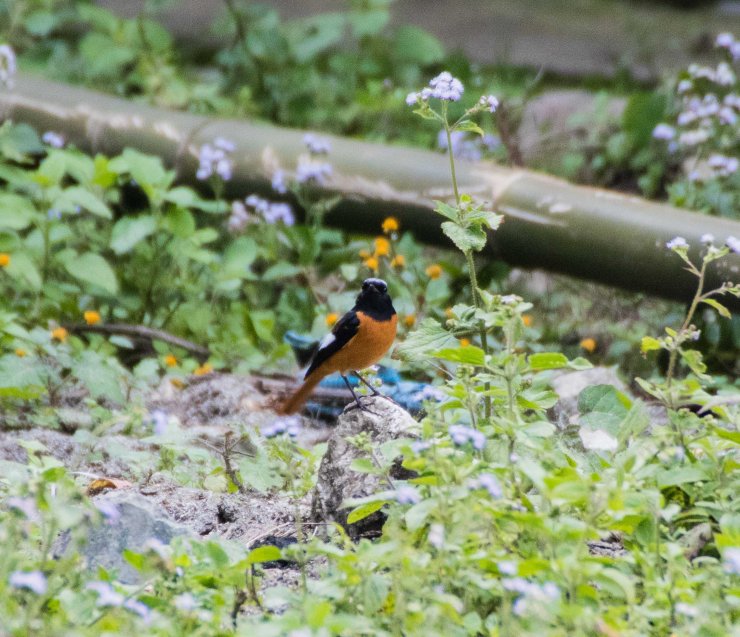
Daurian Redstart (M)
The road condition was starting take a toll on us. In most places it was just a path that lead to Anini. But we journeyed on inspite of several stoppages in between owing to road work. The only notable addition to the bird list was a Long-billed Thrush.
It was well past sunset by the time we reached Anini. As we drive into the Government Circuit House, we were mentally prepared for the worst, based on what Geetanjali had told us to expect. But we were pleasantly surprised. The facility had been given a fresh coat of paint and was actually much better than what we had stayed in Hunli; a good ending to a long tiring journey. Also power would be available throughout.
It was began to rain lightly a bit before dinner. Seeing it we wondered how the birding would be the next day. Hopefully it would not go into the next day. We did not want to have traveled this far and be stuck in because of rain. Well, only time would tell. Once the day’s checklist was compiled and dinner done, we all retired to our rooms for the night.
Day 5 – Around Anini
In terms of birding, Anini and its surroundings are virgin territory. Not many birders come here given the travel. So one could never predict what species we may chance upon here. Being close to the China border, there were also chances of seeing some vagrants coming over. Geetanjali told us of the experience from a previous visit wherein they got to see a flock of Black-headed Greenfinch perched on the electric lines at the Circuit House itself in the morning. This is a bird that is listed as “unsure” in the Indian Subcontinent as per a popular field guide! Well, we certainly hoped that we would have similar good luck 🙂 . We really had to keep our eyes peeled.
Birding started at 7AM. Thankfully the sky was clear. One of the first birds to show up on the grounds of the Circuit House was a Eurasian Sparrowhawk.
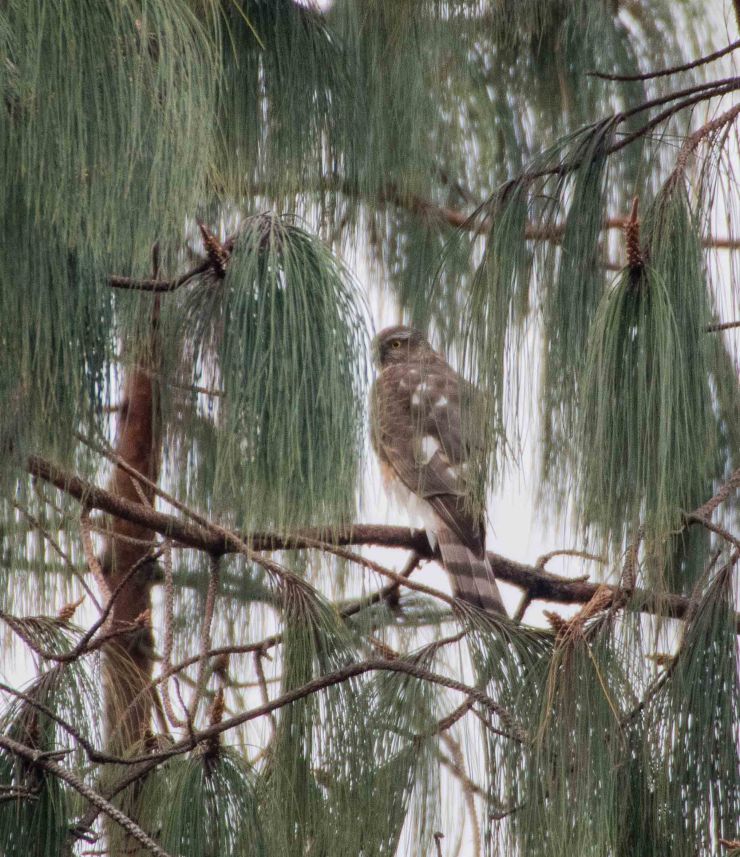
Eurasian Sparrowhawk
There was a brief view of Finch for a couple of seconds. Palash thought that it was a Black-headed Greenfinch. But we had not got good enough views to conclude. Well, we hoped that we would still get to see them later in the day 😦 . A walk around in the street near the Circuit House got us a Winter Wren, Russet Sparrows and Hume’s Bush Warbler.
Post breakfast we headed off in our vehicles. Our first stop was an area just outside the town. It had a mix of grassy hill and trees. Here we got Black-throated Prinia, Blue-fronted Redstart, Fire-breasted Flowerpecker, Russet Sparrow and Little Bunting first.
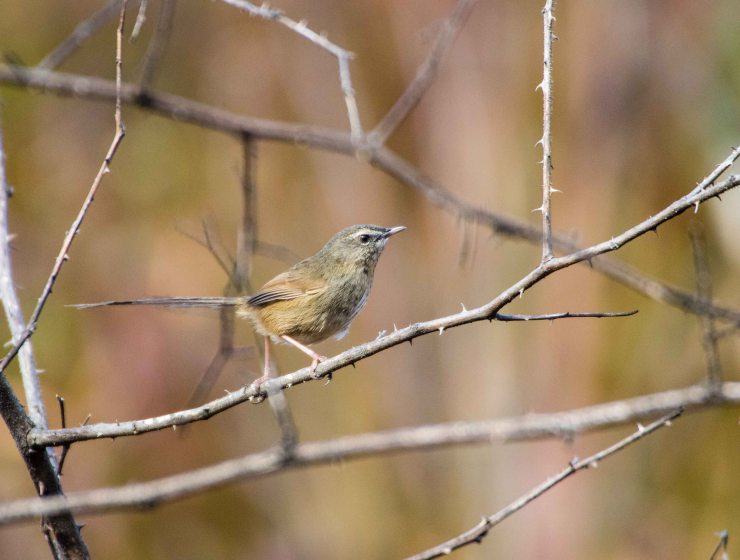
Black-throated Prinia 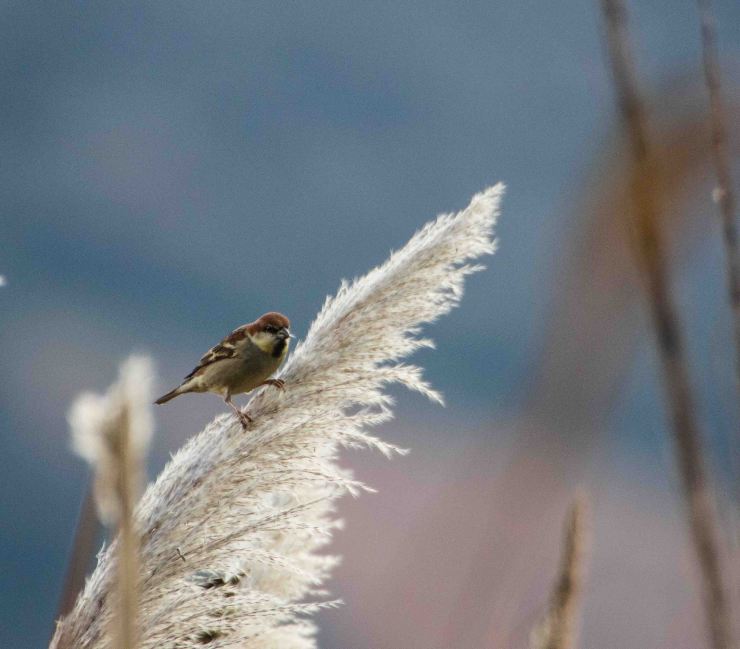
Russett Sparrow 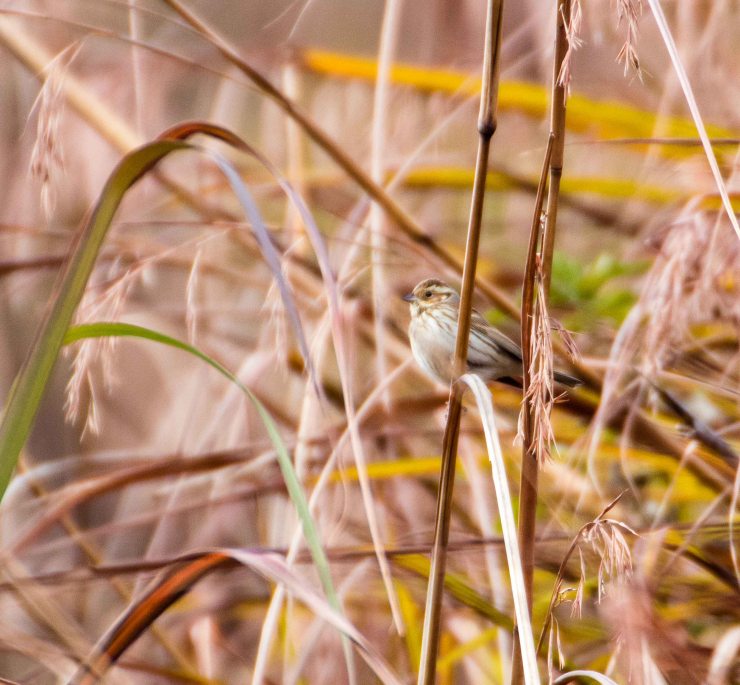
Little Bunting 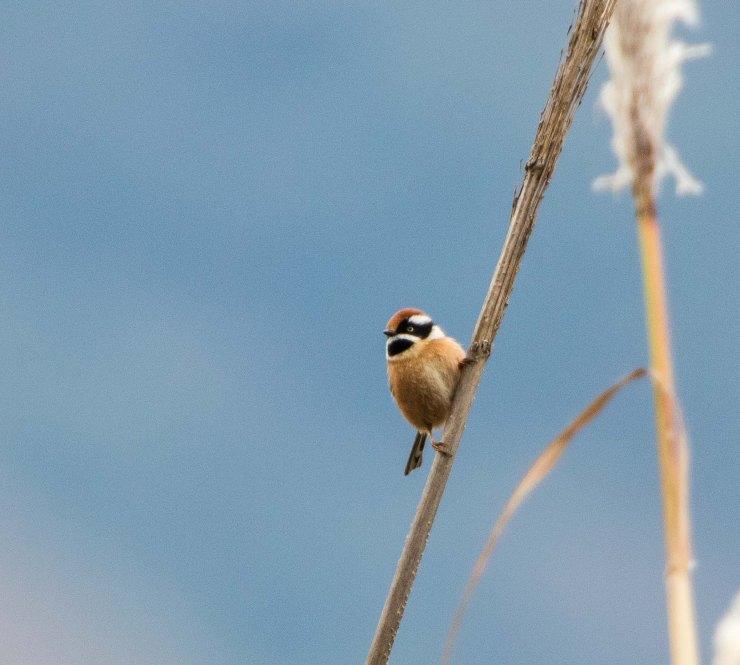
Black-throated Tit
Being a grassy hill side it was not easy spotting the birds. We all keenly watched for movement as we slowly walked down the road. A Hen Harrier did a brief sortie and disappeared behind the hill. Our attention then turned to a couple of Crested Buntings that appeared. Just as they flew off, I saw movement to the left. Got just enough views of the bird to identify as a female of a Crimson-browed Finch, before it disappeared. There were a couple of birds that also flew off along with the Finch. God knows what other birds we had missed 😦 .
A bamboo area further down the road looked like a suitable habitat for Spot-breasted Parrotbill. And indeed they were around. We heard their calls for quite some time. However they refused to show themselves to us. So we drove off, but not far. A buzz of activity had us stopping and we saw Coal Tit, Green-backed Tits and Black-throated Tits in a feeding frenzy.
We then explored an area which had a mix of trees, grass and ferns. This area was very productive. It yielded us Black-chinned Yuhina, Black-eared Shrike-Babbler, Green-tailed Sunbird, Himalayan Black Bulbul, Striated Prinia, Grey-cheeked Warbler, Chestnut-crowned Warbler, Ashy-throated Warbler, Whiskered Yuhina, Nepal Fulvetta, Red-tailed Minla, Spotted Forktail, Hodgson’s Redstart, Olive-backed Pipit and Verditer Flycatcher.
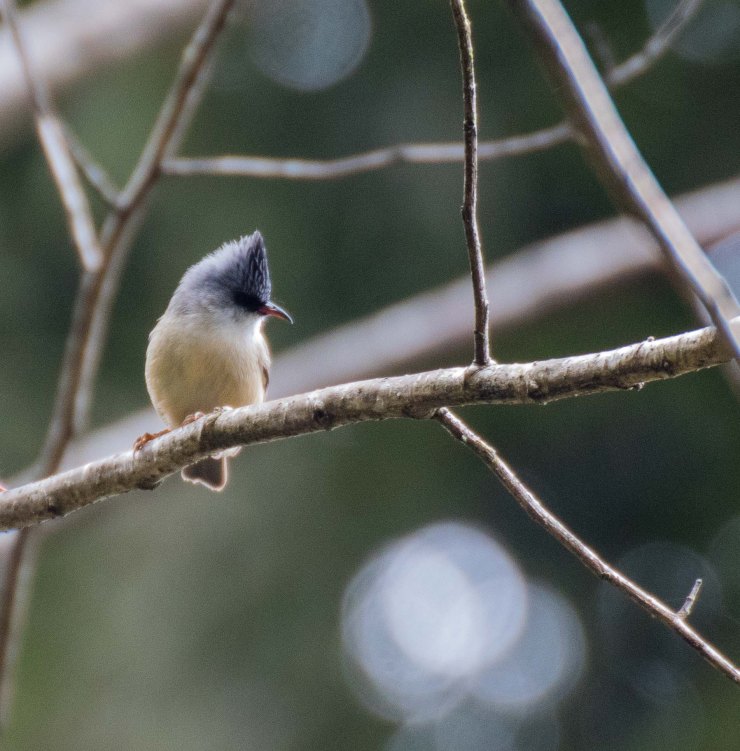
Black-chinned Yuhina 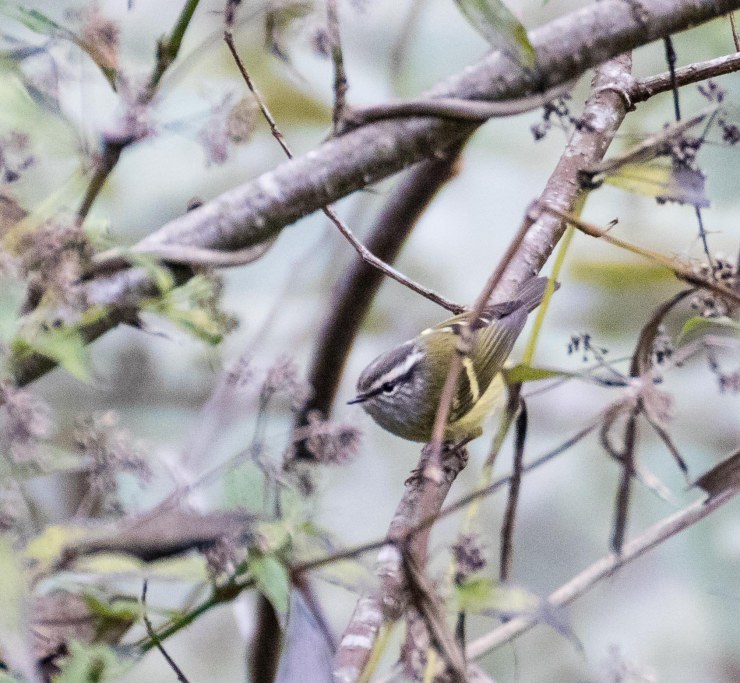
Ashy-throated Warbler 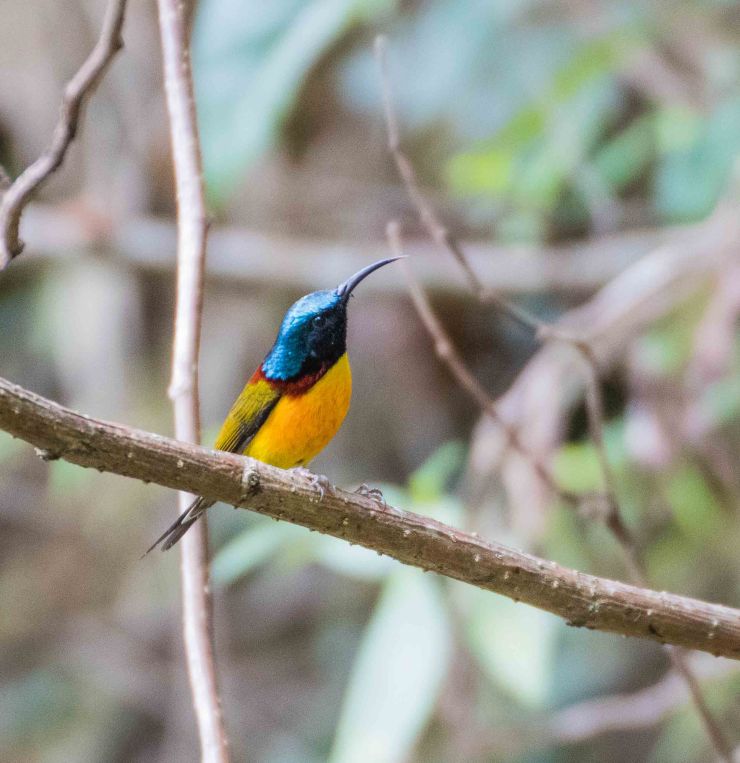
Green-tailed Sunbird 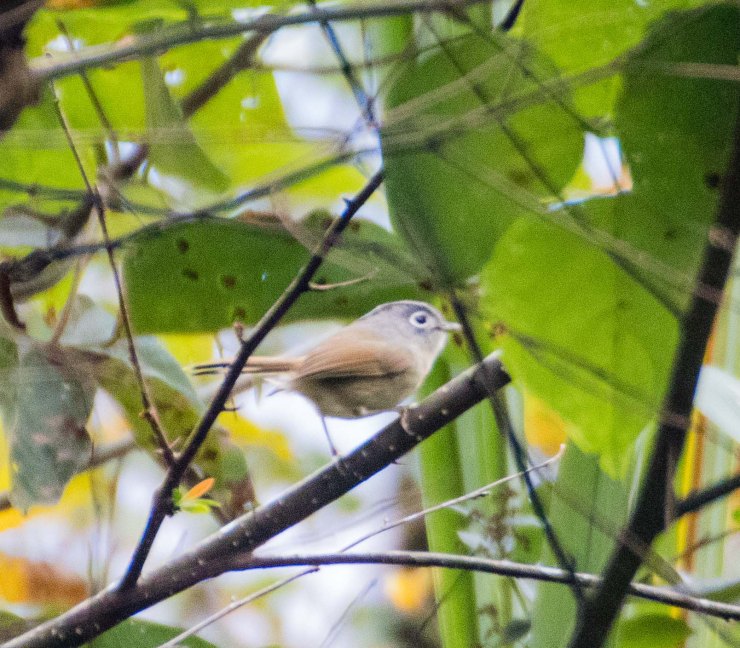
Nepal Fulvetta 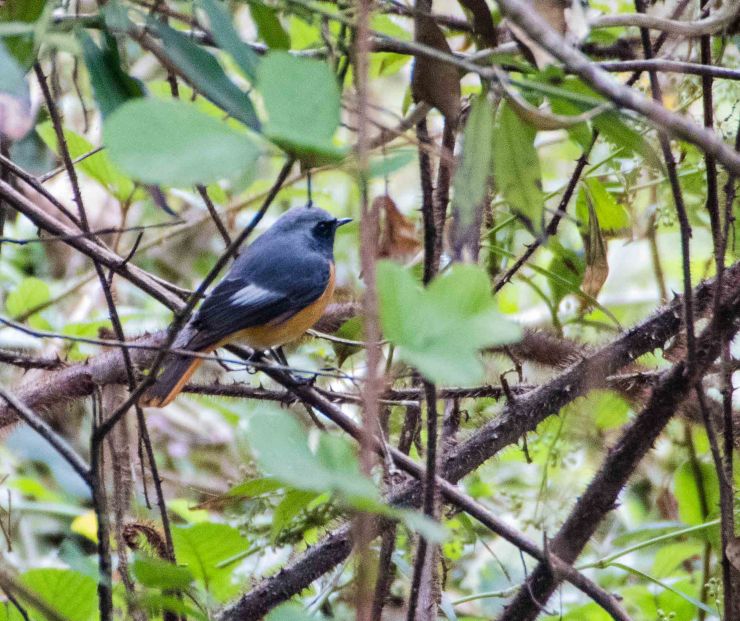
Hodgson’s Redstart 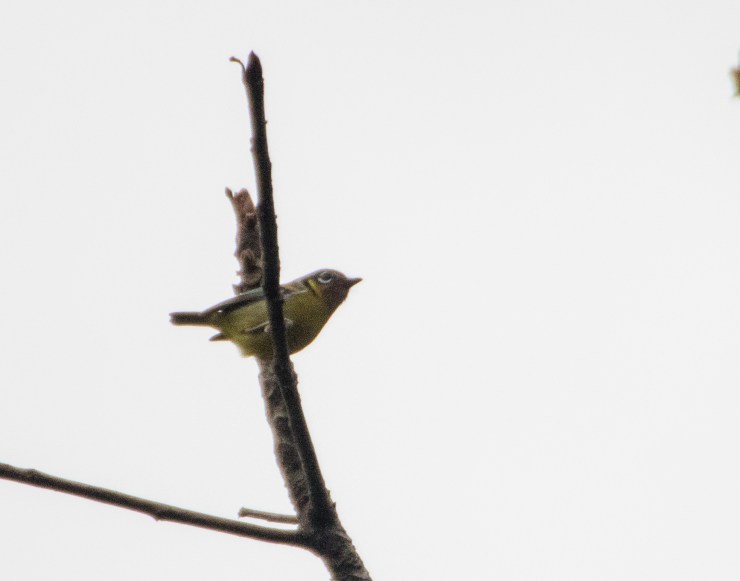
Black-eared Shrike-Babbler
Back in the car, we headed off to a place called Dembuen. It would be the eastern most place we could visit in Arunachal Pradesh. There were several birding stops enroute though. The first was an abrupt one. Palash, as usual, was scanning the road sides to spot any birds of interest as we drove along. He suddenly called out to Bitu to stop and exclaimed, “Black-headed Greenfinch!”. We lost no time in jumping out the car to see them. And there they were, a flock of them perched on the wires!
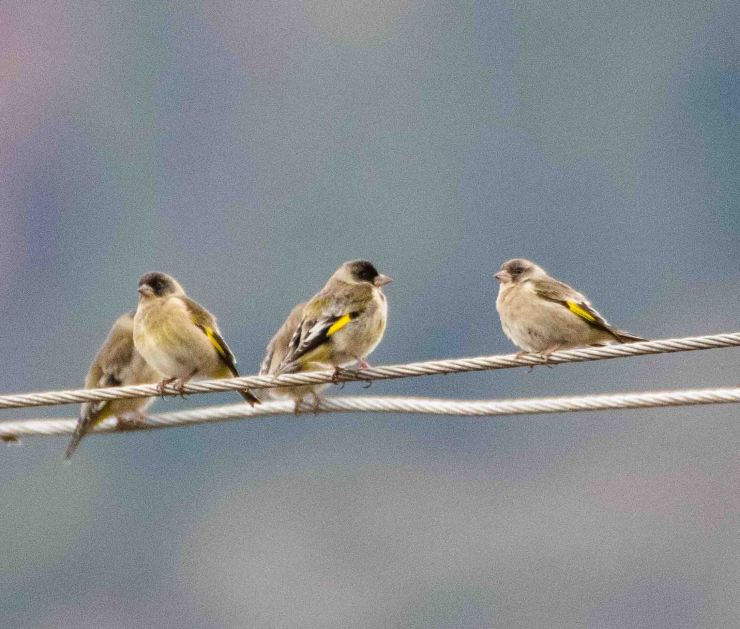
Black-headed Greenfinch
Sadly, just as the vehicle with Geetanjali, Kushal and Chaula pulled up, the birds flew off, thus them missing to see the birds 😦 .
The next stop had us seeing Yellow-cheeked Tit, Whiskered Yuhina, Red-tailed Minla, Chestnut-tailed Minla, Orange-bellied Leafbird, Green-tailed Sunbird and Hodgson’s Redstart.
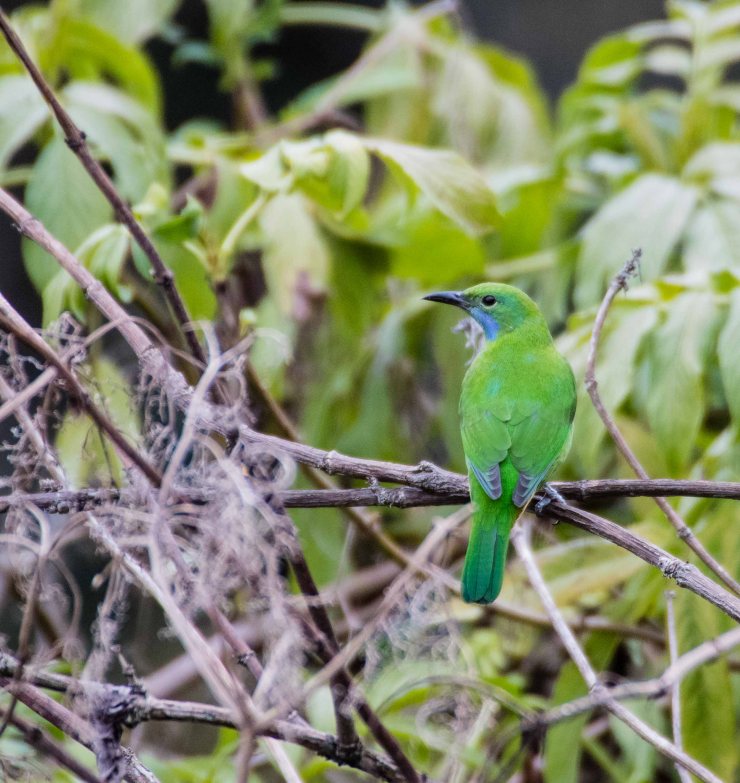
Orange-bellied Leafbird 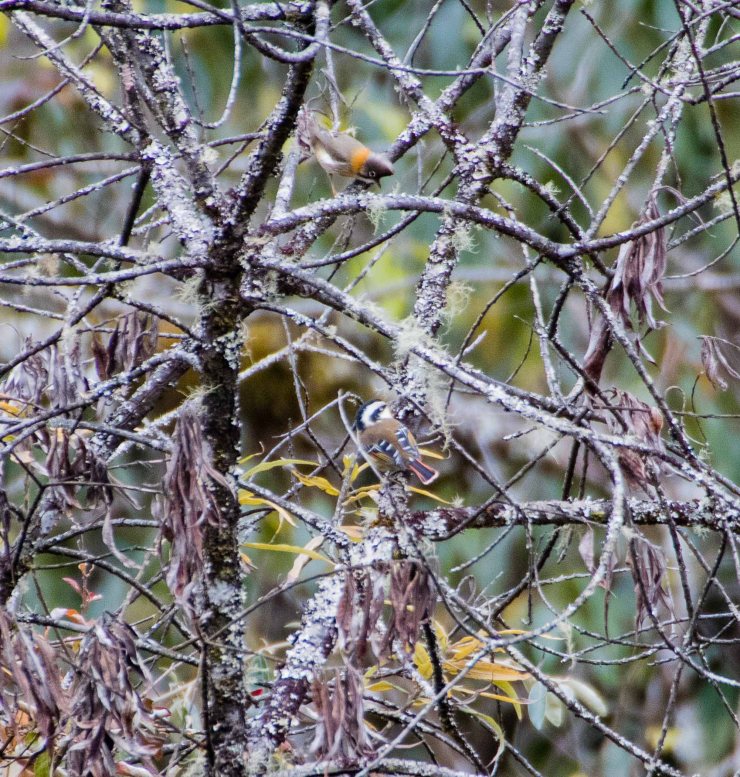
Red-tailed Minla 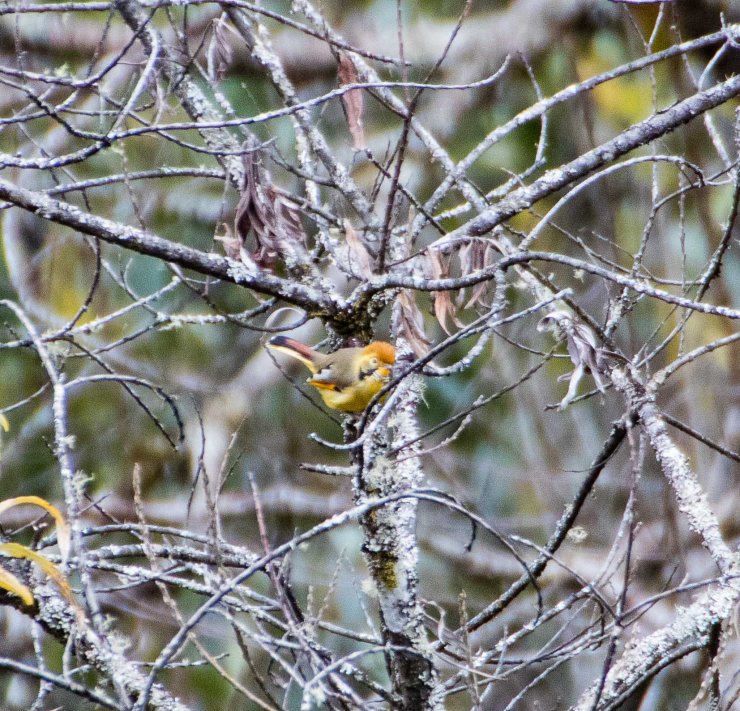
Chestnut-tailed Minla 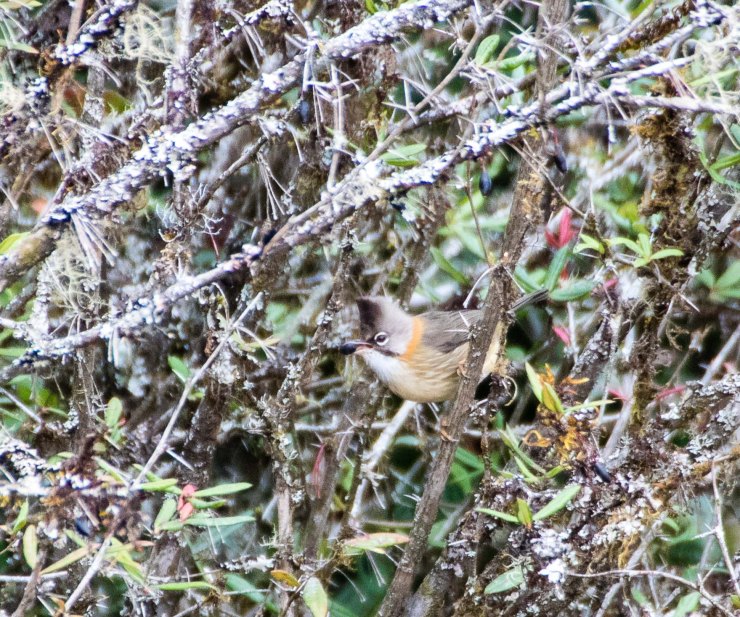
Whiskered Yuhina
Our next stop was near a village. As walked past houses, there were flurry of bird activity in the fruiting trees as well as bushes. Some of the birds that we got to see included Grey Treepie, Green Shrike-Babbler, Green-backed Tit, Yellow-cheeked Tit, Rufous-winged Fulvetta, Chestnut-crowned Laughingthrush, Beautiful Sibia, Red-billed Leiothrix and Grey-headed Bullfinch.
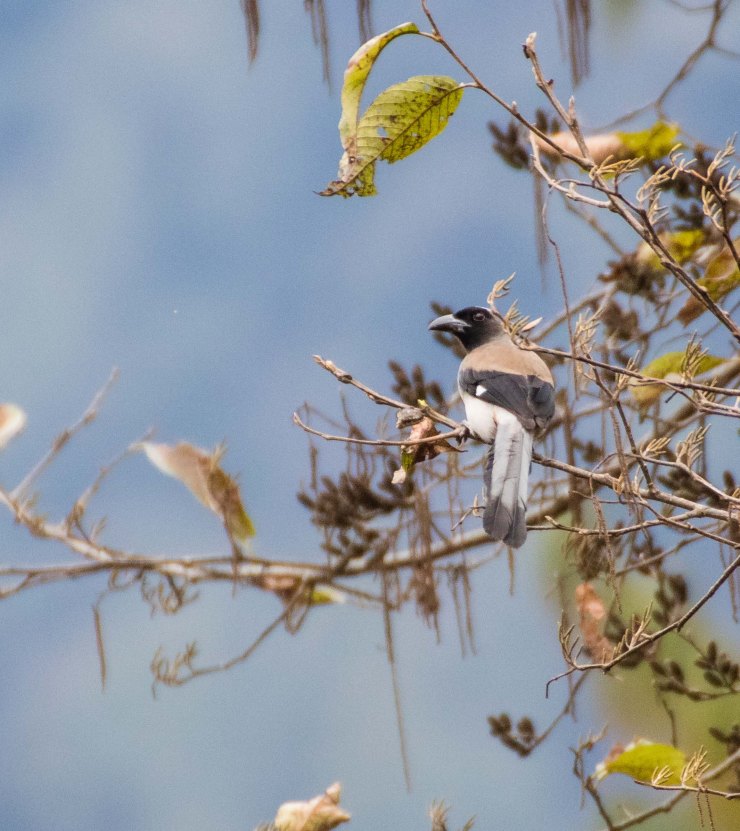
Grey Treepie 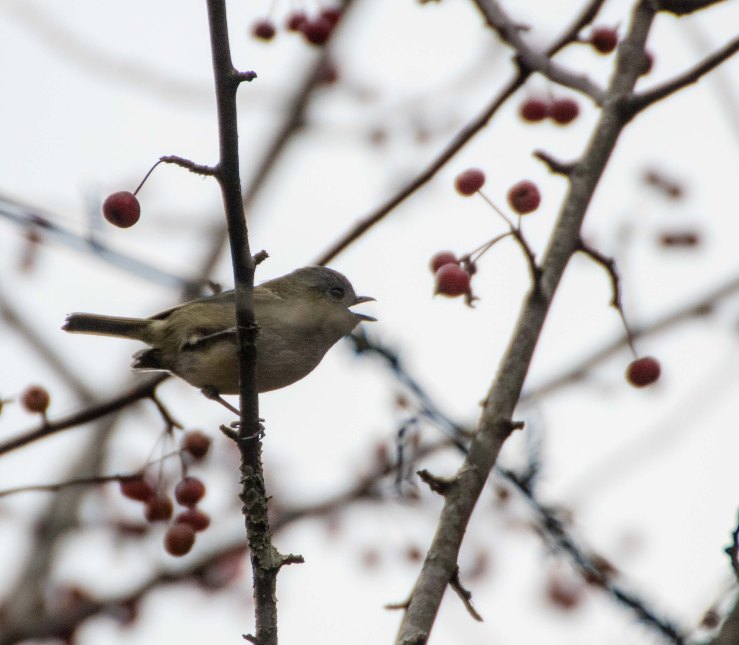
Green Shrike-Babbler 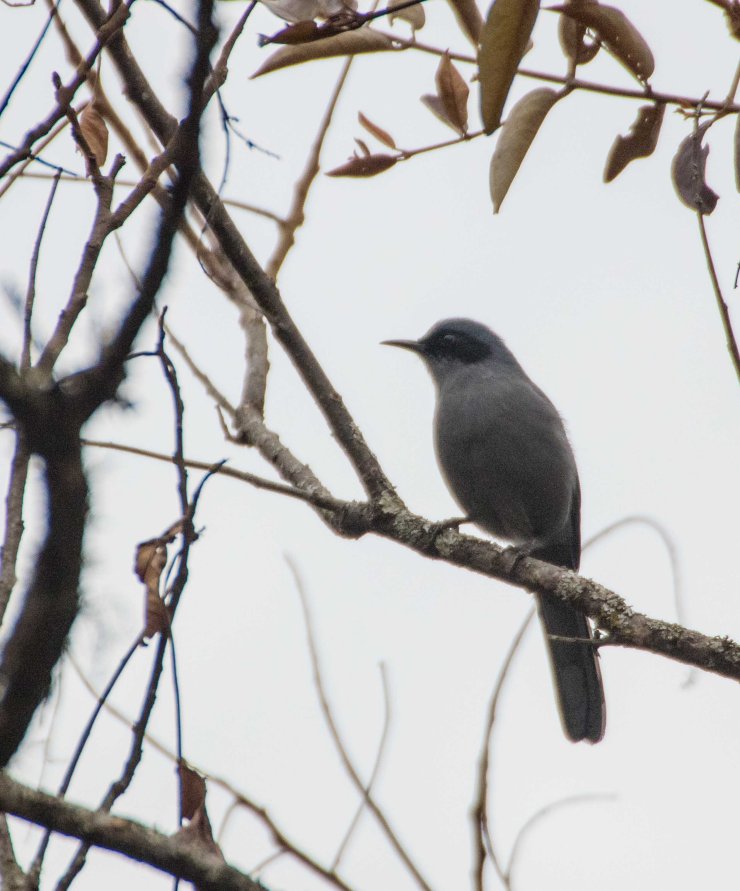
Beautiful Sibia 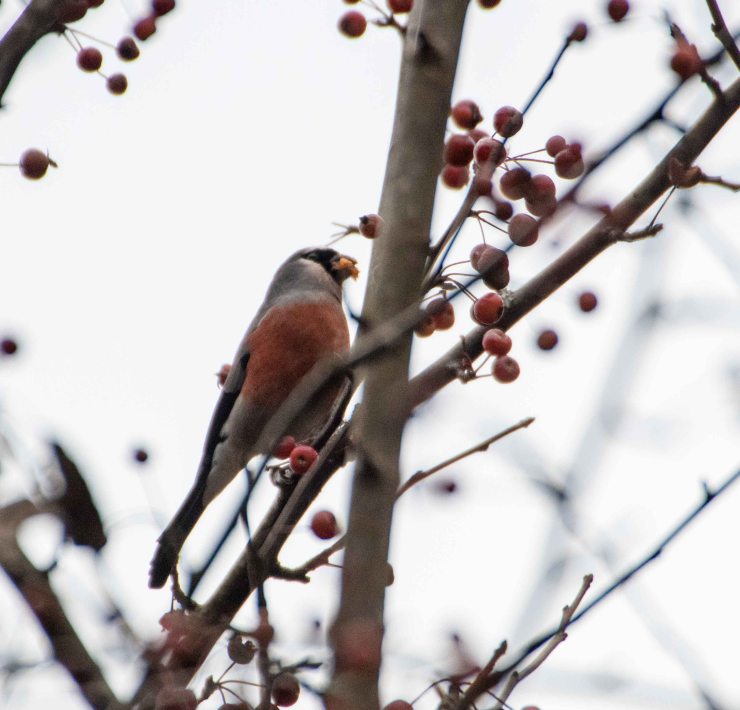
Grey-headed Bullfinch (M) 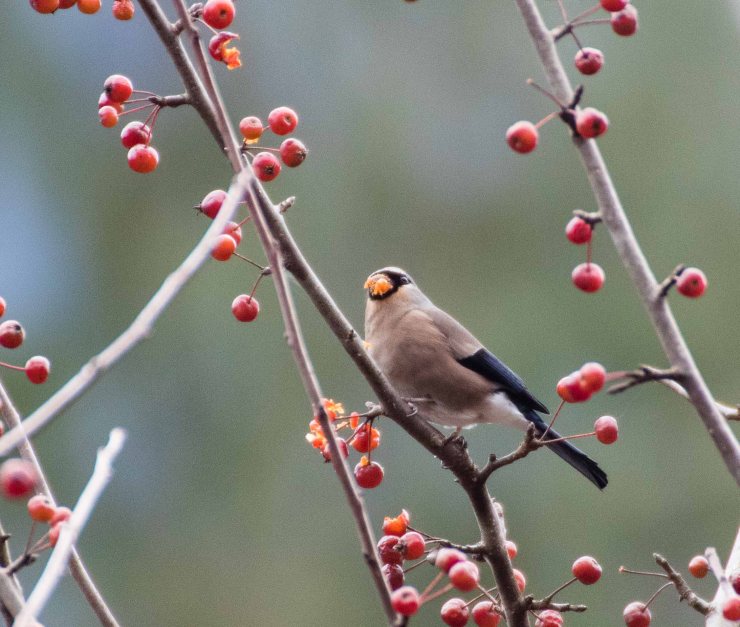
Grey-headed Bullfinch (F)
We finally reached Dembuen. There was an ITBP (Indo-Tibetan Border Police) post. It was literally the end of the human settlement and road network. Beyond this, one would have to trek on foot into the hills to get anywhere.
We were granted permission for around an hour, to explore the area near the ITBP post. There was a fairly large water-way nearby. We birded around it. Here we got to see Brown Dippers, Little Forktails, Blue Whistling Thrush, Plumbeous Water Redstart, White-capped Redstart, White Wagtail and Winter Wren. The surprise was finding an Ibisbill.
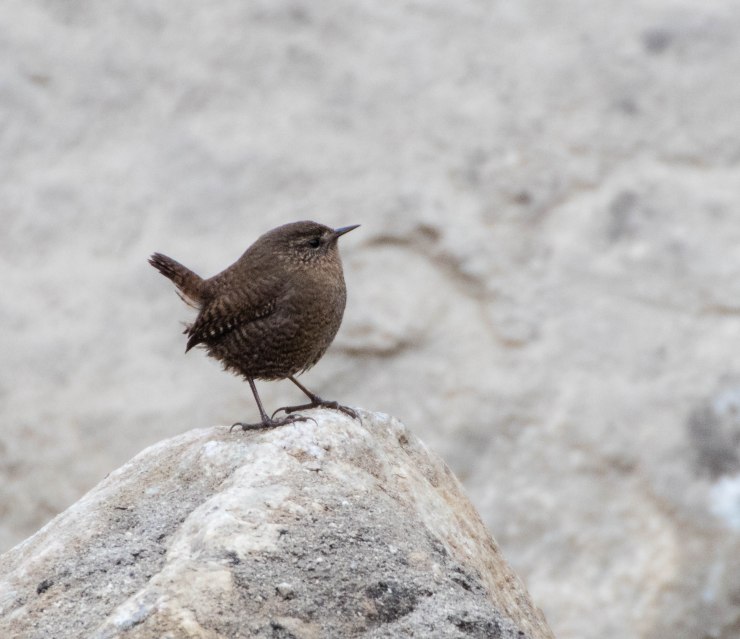
Winter Wren 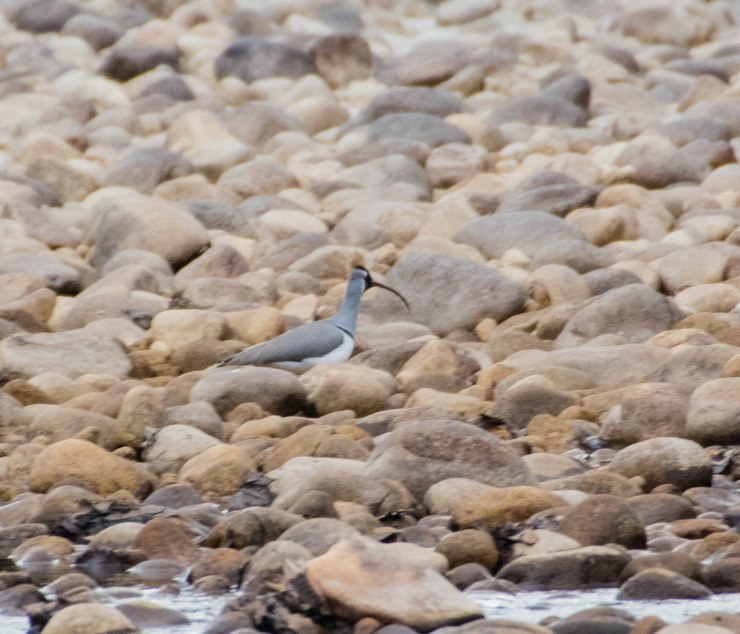
Ibisbill
Soon we called it a day and started back to Anini. The rest of the evening was spent in the routine; compiling the day’s checklist, dinner and some packing.
Day 6 – Anini to Mayodiya Pass
Today was going to be a long and monotonous journey. This time it was going to be all the way back to Mayodiya Pass. It was going to take around 8 hours. There were also certain sections that we had to cross before the road works started, we began our journey quite early. Before we left Anini town, we did a round of the place to see if any of the Black-headed Greenfinches were around, as Kushal and Chaula had missed seeing them yesterday. They were nowhere to be seen 😦 .
We did not do much birding stops on this journey. Our first main birding spot was at Etalin. We saw a bunch of birds perched on a tree where we had seen the Redstarts on our onward journey. We could not believe our eyes; it was a flock of Black-headed Greenfinches! Boy, Chaula and Kushal were elated on seeing them; it was almost as if the birds had not wanted them to leave disappointed 😀 . Along with the Finches were a couple of Common Rosefinch.
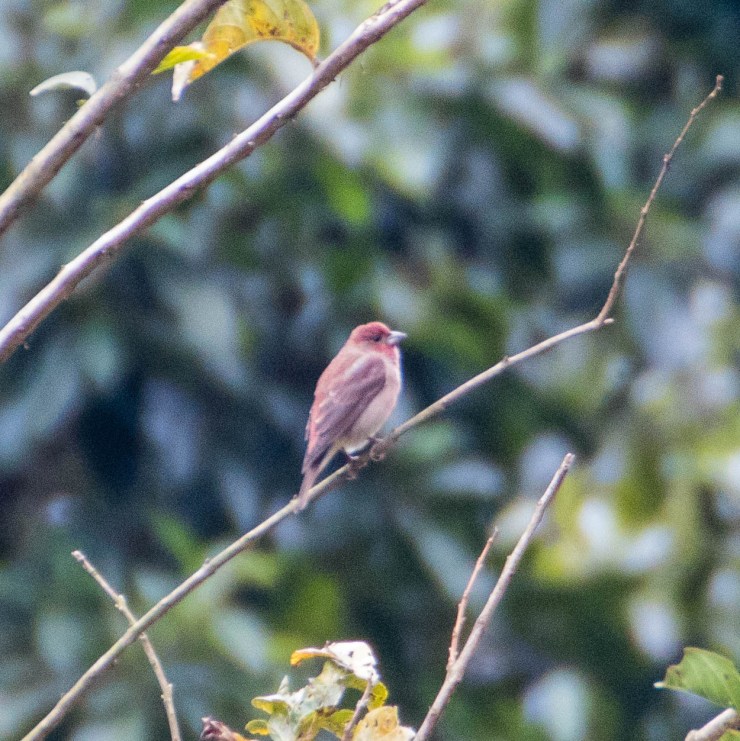
Common Rosefinch
The next stop was as we approached Hunli. We stopped at a small joint to grab some late lunch.
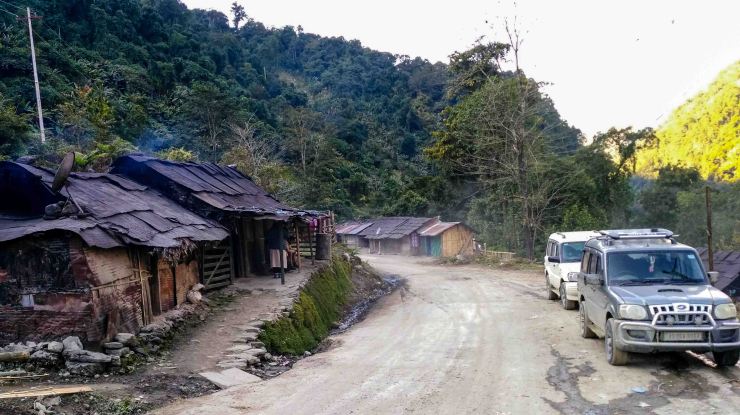
Here we did some birding as we waited for the food to get freshly cooked. The birds we saw included a flock of Yellow-throated Fulvetta, Blyth’s Shrike Babbler, Grey Treepie and White-throated Bulbul.
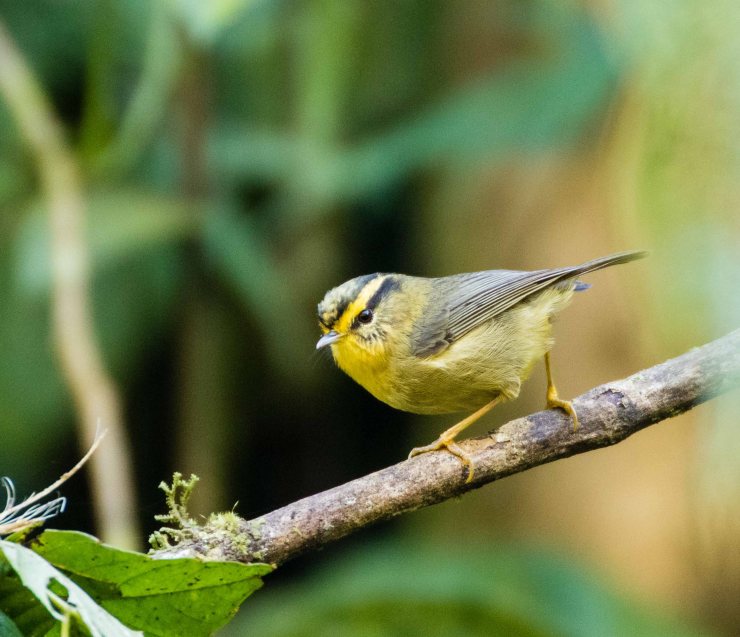
Yellow-throated Fulvetta 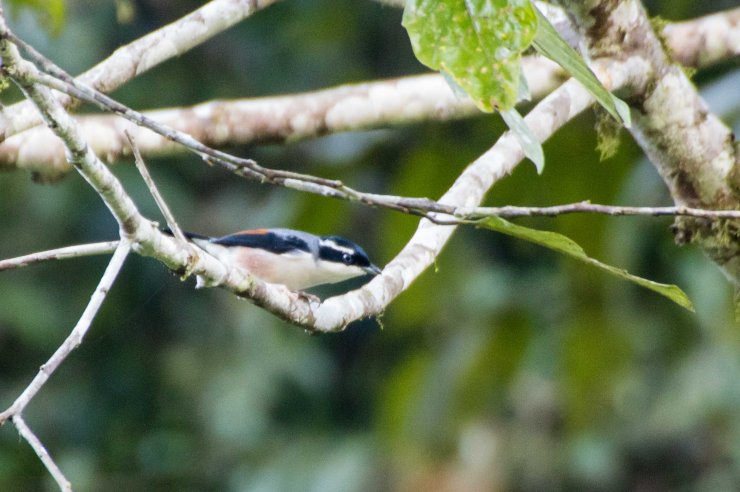
Blyth’s Shrike-Babbler
Our new bird species for the day came at the next stop. They were Great Cormorant and a few Rufous-faced Warblers.
It was dark by the time we reached our place of stay for the next two nights; the Mayodiya Coffee House. Once we all put our luggage into our assigned rooms, we gathered in the dinning hall to have some hot tea. A brief time later, we headed out in the vehicles again to look for the Himalayan Wood Owl at its usual spots. But it was nowhere to be seen. Well, we would give it a try again the next day evening.
Day 7 – Around Mayodiya Pass
The day started very early. We were ready by 4:30AM. The reason of getting up so early was to try for the Sclater’s Monal. For this we had to be at Mayodiya Pass before first light. This was no easy task given that it was freezing cold, literally. But then the prospects of sighting the Monal, was motivation enough for us 😀 . The Monal, however, did not feel any pity for us. It was a no-show. We however enjoyed the early morning sights from up above; sights that were well worth it.
The morning birding was very productive. The birds we saw included Bay Woodpecker, Yellow-cheeked Tit, Green Shrike-Babbler, Grey-sided Laughingthrush, White-tailed Nuthatch, Striated Bulbul, Ashy-throated Warbler, Streak-throated Fulvetta, Black-throated Parrotbill, White-naped Yuhina, Whiskered Yuhina, Stripe-throated Yuhina, Beautiful Sibia, Streak-breasted Scimitar-Babbler, Rufous-breasted Accentor and Streak-throated Barwing.
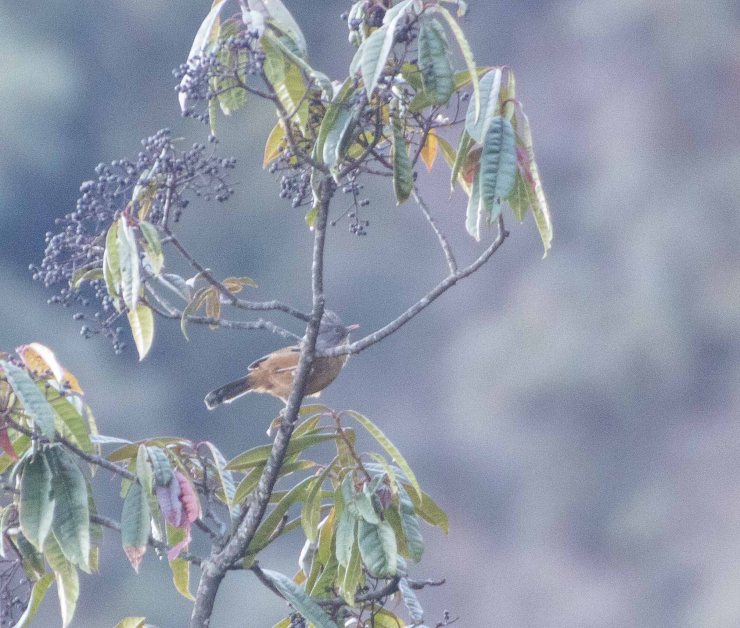
Streak-throated Barwing 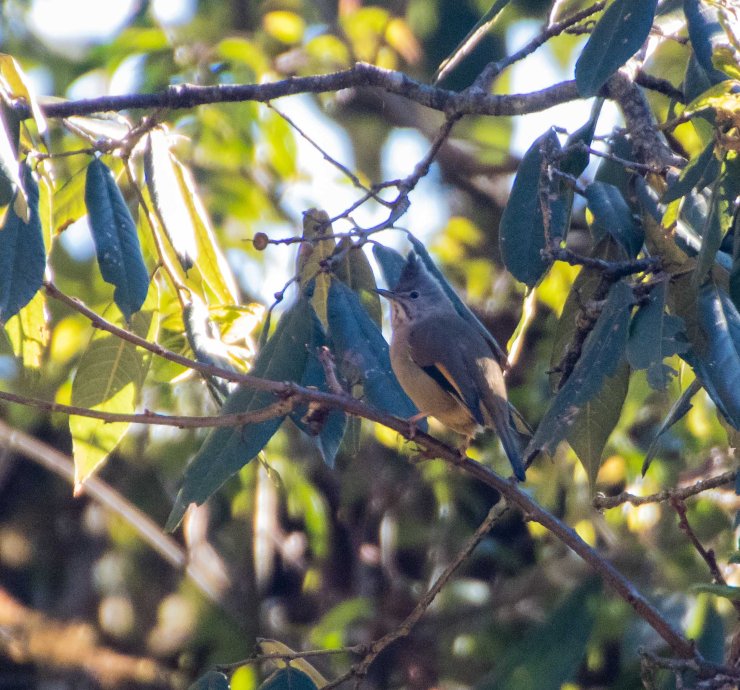
Whiskered Yuhina 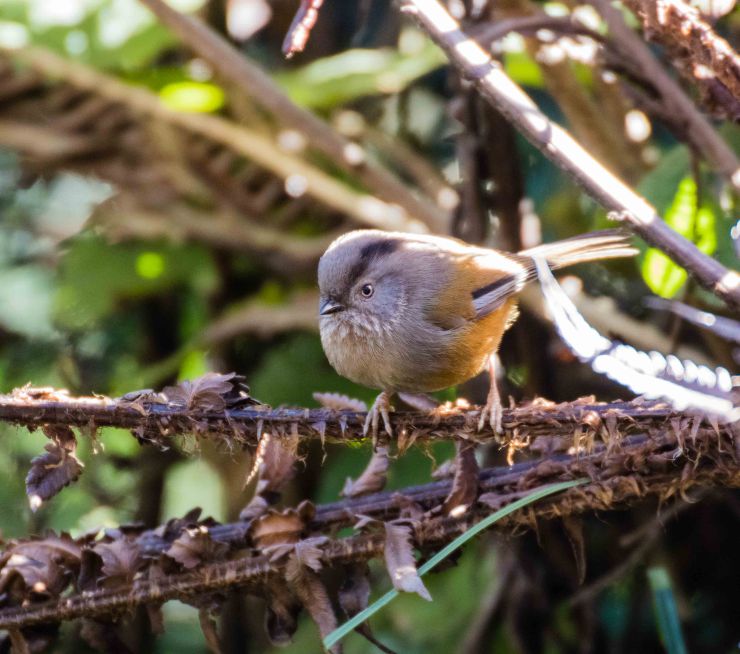
Streak-throated Fulvetta 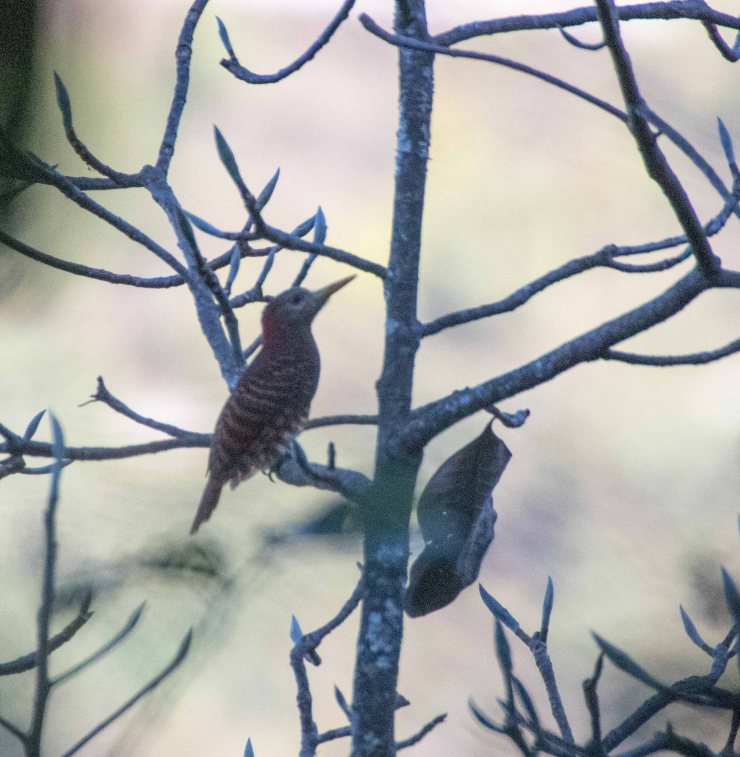
Bay Woodpecker 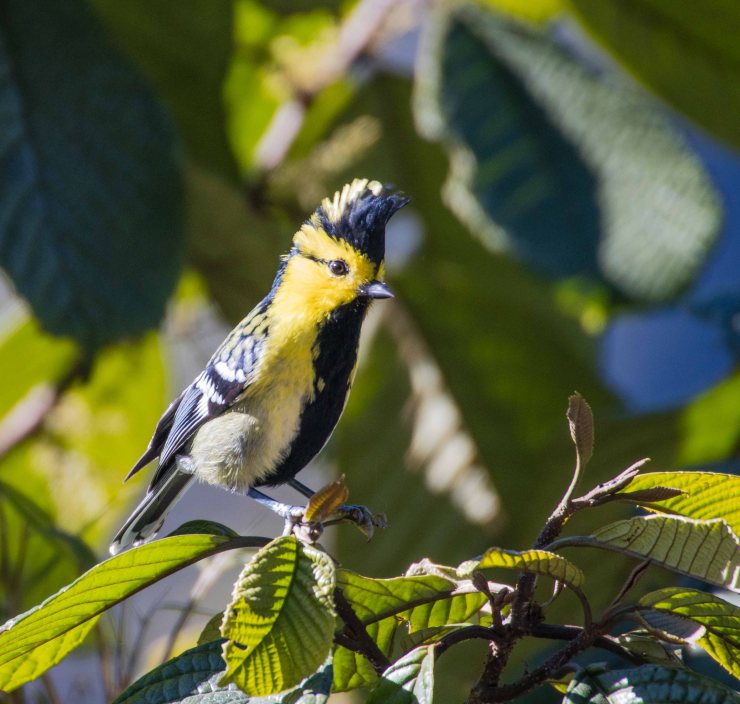
Yellow-cheeked Tit 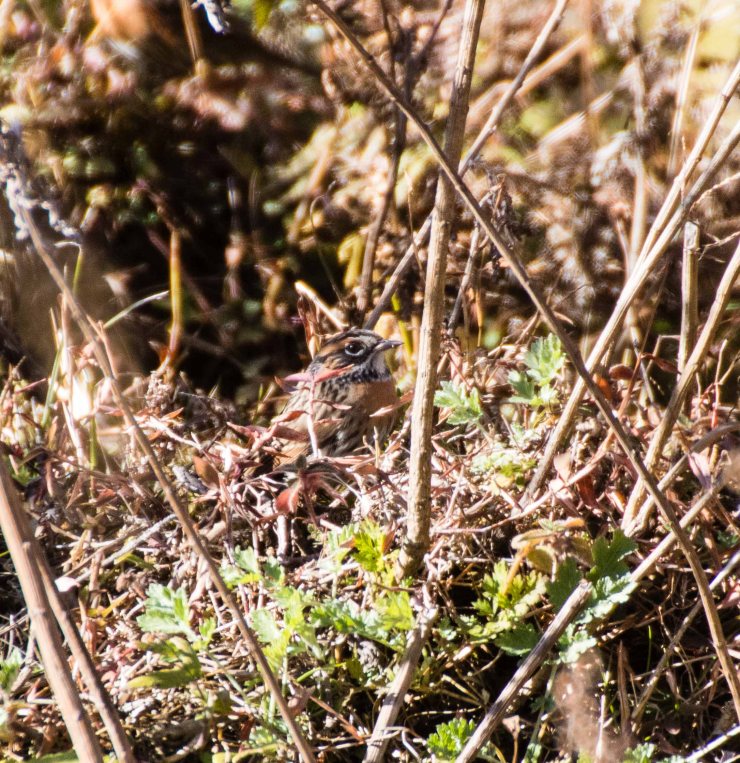
Rufous-breasted Accentor
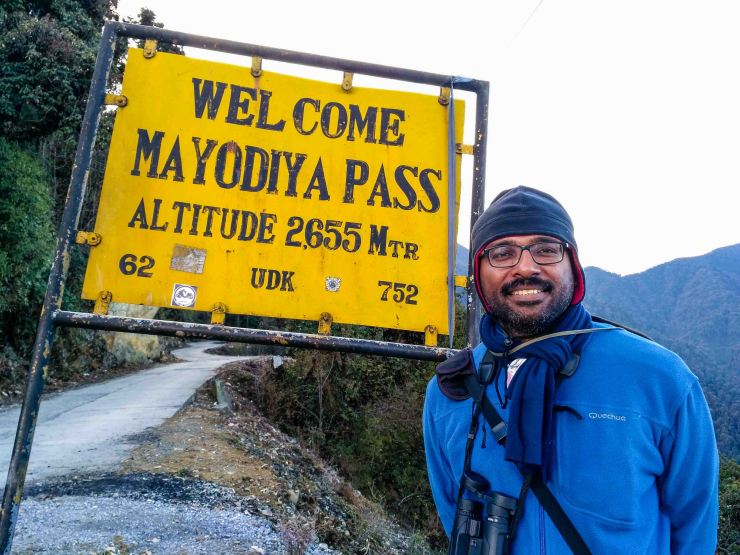
I also had to get the customary click at Mayodiya Pass 🙂 .
The session in the second half of the day has us seeing the extremely shy Scaly Laughingthrush, Rufous-breasted Bush-Robin, Brown-throated Fulvetta, Black-faced Laughingthrush and Chestnut-crowned Laughingthrush.
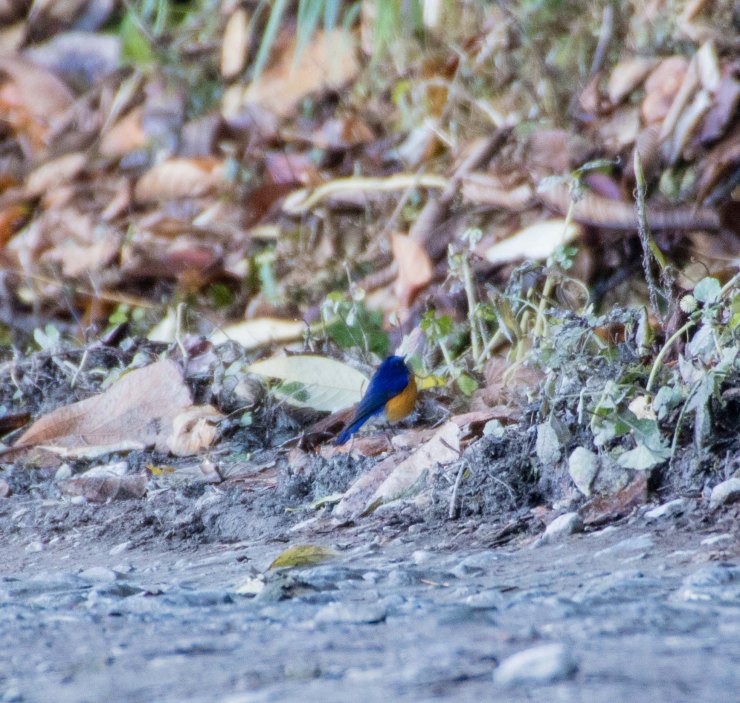
Rufous-breasted Bush-Robin 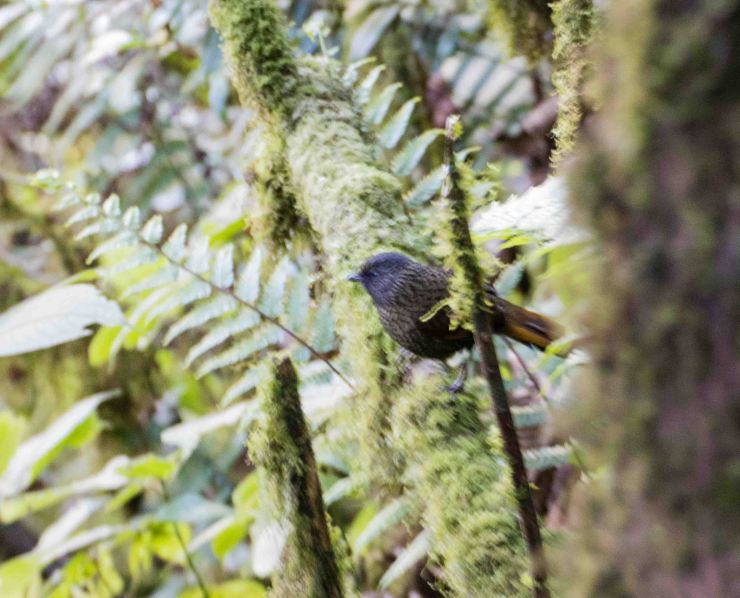
Scaly Laughingthrush 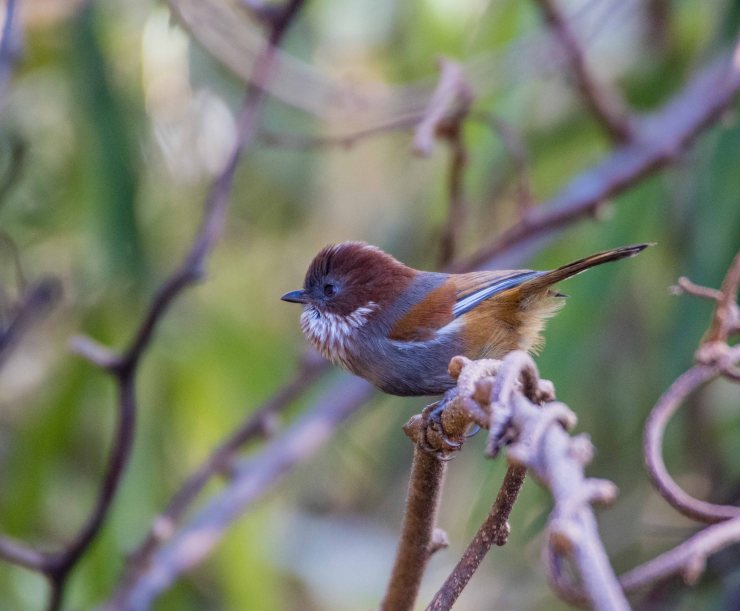
Brown-throated Fulvetta
The search for the Himalayan Wood Owl in the night, proved unfruitable yet again.
Day 8 – Mayodiya Pass to Roing
They say that success comes to those who persevere. So we would be trying for the Sclater’s Monal yet again early in the morning. Though persevere we did, success still remained elusive, as far as the Sclater’s Monal was concerned. Well, one can’t have everything else I guess.
Today the environment was different compared to the previous morning. It has rained in the night and there was whole place was covered in hail and sheets of ice. The road was slippery and the whole place felt colder. The entire valley was covered in mist and “clouds”; mesmerising! (check out my other post here and the virtual tour below for some views). We also got a different kind of “excitement” in the morning. Our vehicle had a tough time crossing the ice-covered road at Mayodiya Pass. It took some manual intervention by us before it did. Not a very pleasant experience when a wrong result can be a fall into the valley.
We would be driving back to Roing post breakfast. So we decided to bird in the stretch between Mayodiya Pass and the Coffee House before breakfast. We could hear a Collared Owlet at a distance; its call being easily carried over the valley, in an otherwise quiet morning. The first birds to first appear were a couple of Chestnust Thrush. A Himalayan Bluetail almost played truant in the morning light. The birds that mesmerised us all with its calls and appearance were a bunch of Spotted Laughingthrush. They were given company by Black-faced Laughingthrush, Yellow-billed Blue-Magpie, Chestnut-crowned Laughingthrush and Blue-fronted Redstart.
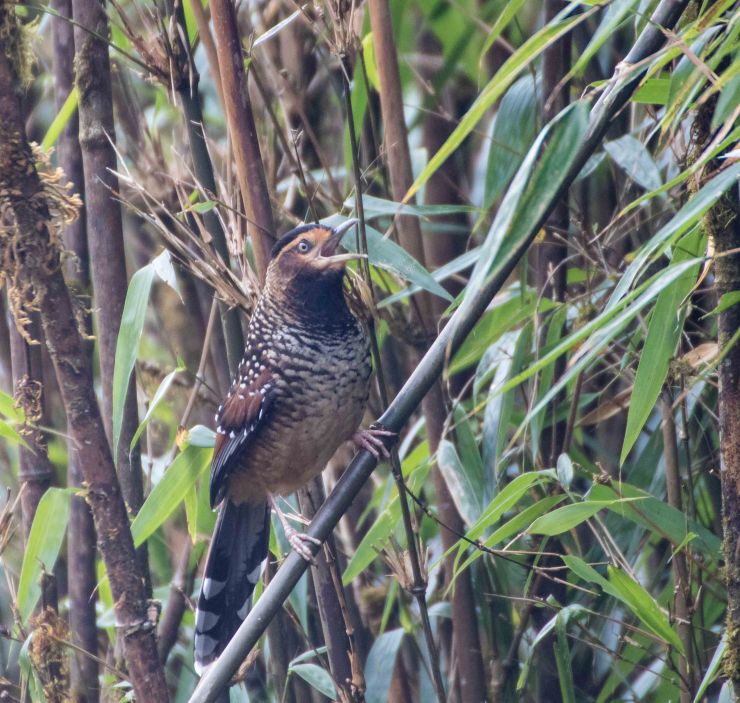
Spotted Laughingthrush 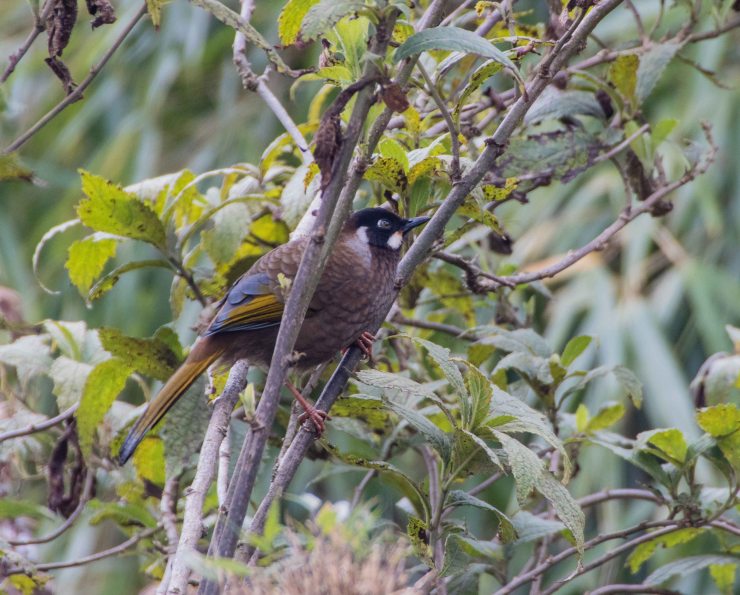
Black-faced Laughingthrush 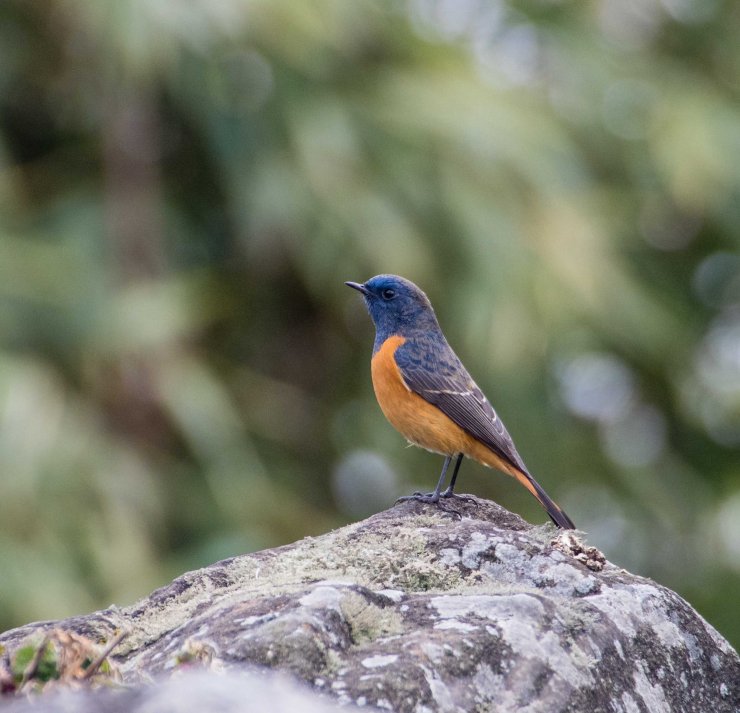
Blue-fronted Redstart 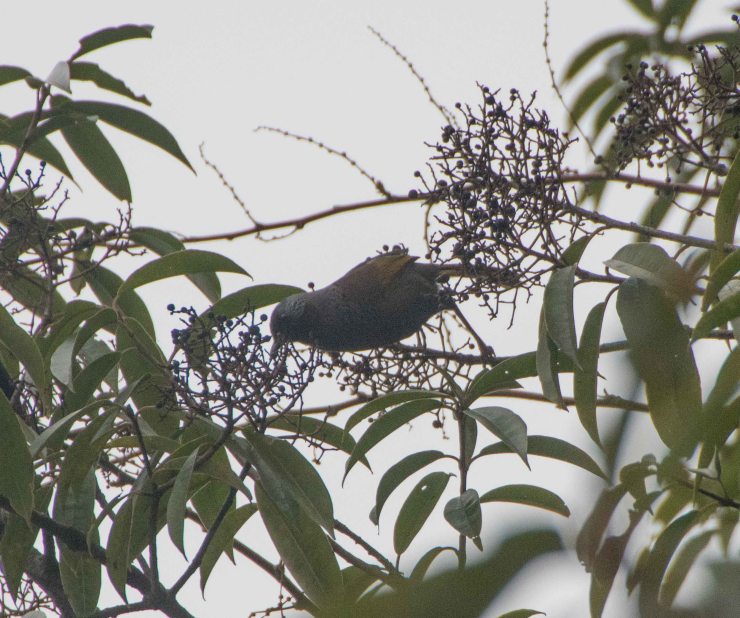
Chestnut-crowned Laughingthrush
After breakfast at the Mayodia Coffee House, it was time to say goodbye to the place and start our journey back to Roing. Luggage loaded and we were off. The climate was different today. It was mostly misty with hardly any sunshine coming through. We however did our regular routine of stopping at places and birding on foot along the road.
At one spot, we got to see Darjeeling Woodpecker, Eyebrowed Thrush, Striated Laughingthrush, Grey-winged Blackbird, Great Barbet, Green-tailed Sunbird and Fire-breasted Flowerpecker.
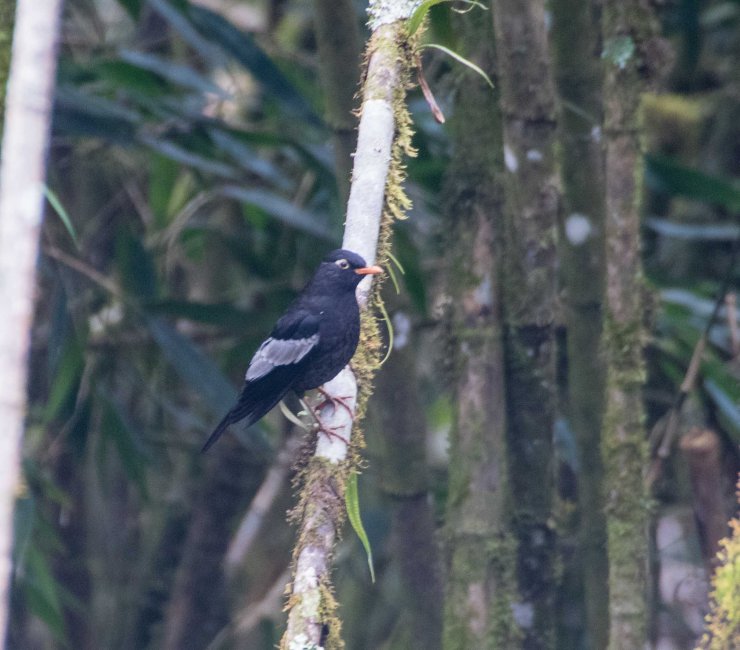
Grey-winged Blackbird 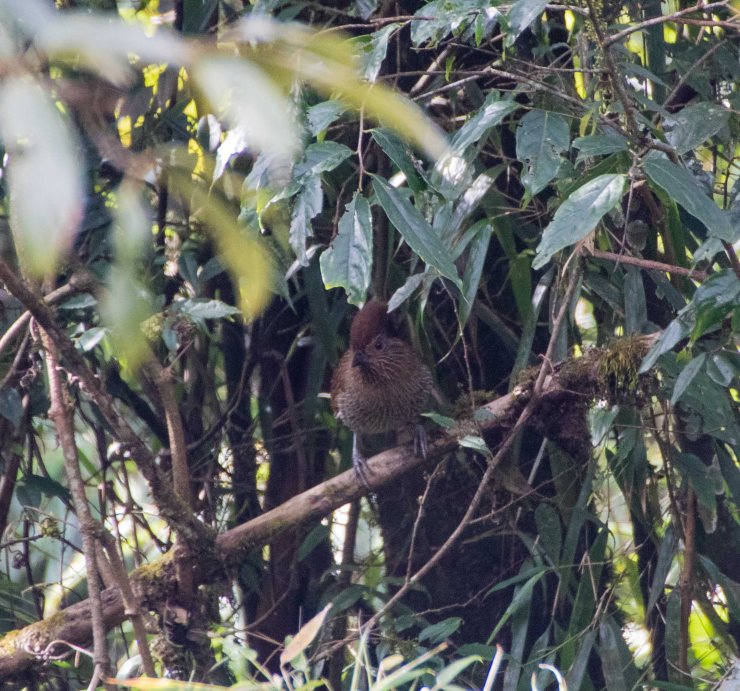
Striated Laughingthrush 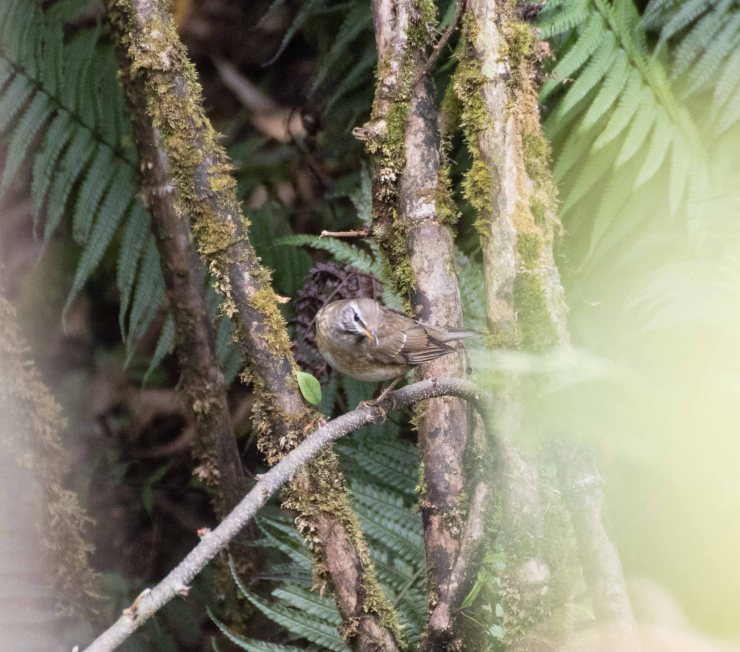
Eyebrowed Thrush
The place near Tiwarigaon had us seeing Barred Cuckoo-Dove, Blue-Whistling Thrush, Little Forktail and Blue-winged Laughingthrush.
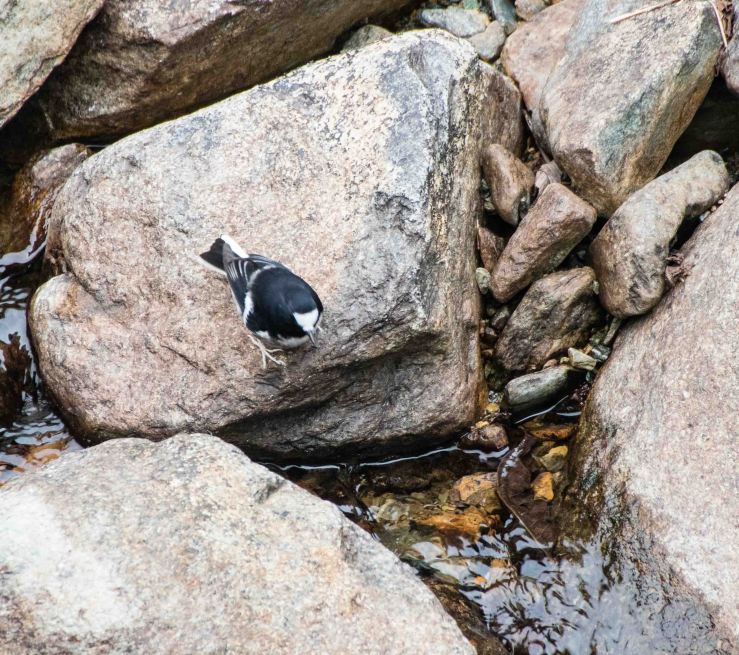
Little Forktail 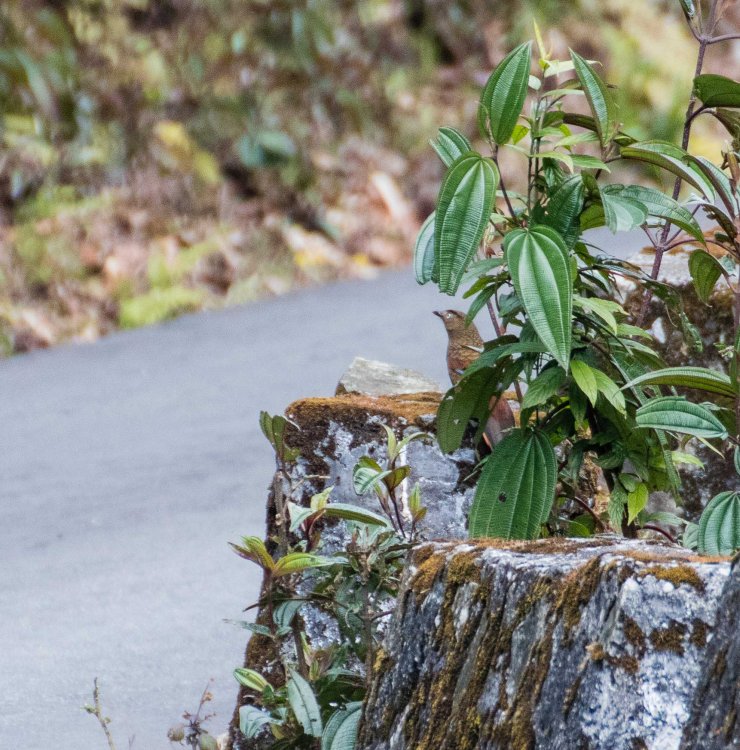
Blue-winged Laughingthrush
It was dark as we neared Roing. So we tried for the Hodgson’s Frogmouth at its usual area, but with no luck again. Finally we reached our place of stay (Mishmi Hill Camp) in Roing well after dusk. The temperature difference between the hills and the plain was stark; we enjoyed having to only wear a layer or two. Another luxury was having hot water. We all made the most of it 🙂 .
Day 9 – Roing to Maguri Beel
Being the last day of the Mishmi Hills tour, we would be leaving Arunachal Pradesh and head back into Assam today. It would usually have been back to Tinsukia or Dibrugarh. However as all of us had extended out trip by a couple of day to cover Maguri Beel, that is where we would be heading back to later in the day. But first we would be birding at the Roing Grasslands.
The grassland was a large tract of land near a water body. It was literally covered in elephant grass. One could easy get lost if you were not knowledgeable in the area. So we all stuck together throughout the visit. It was a chilly morning. There was periodic mist over the water body. The silence would broken by a few hundred Great Cormorants taking to the skies.
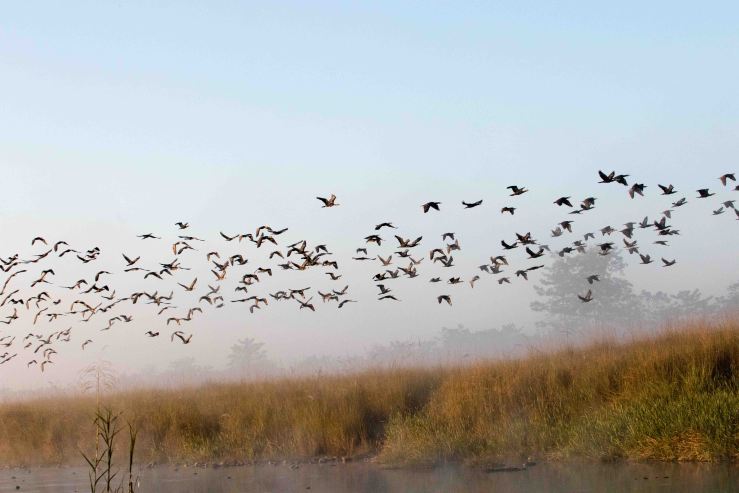
Some of the other birds that we got to see at the grasslands were Black Stork, Dusky Warbler, Paddyfield Warbler, Black-breasted Parrotbill, Rufous-capped Babbler, Marsh Babbler, Striated Babbler, Common Hill Myna, Rosy Pipit, Black-faced Bunting, Bluethroat and Streaked Weavers.
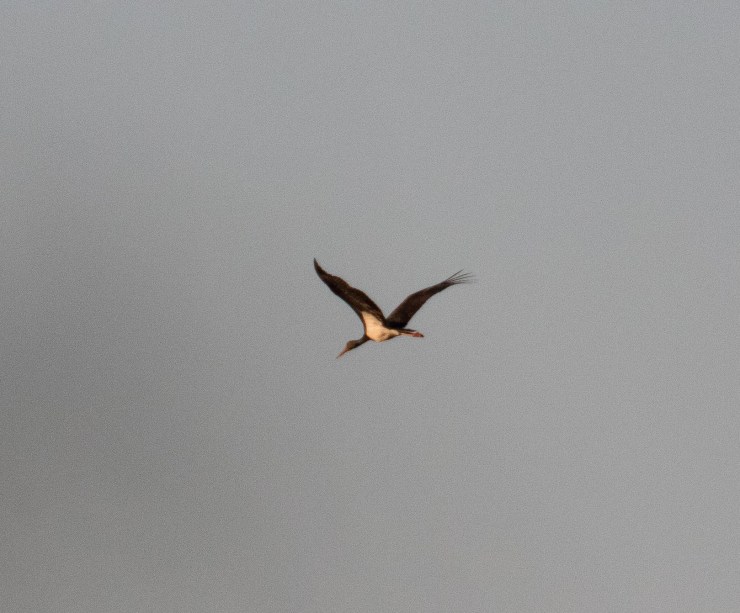
White Stork 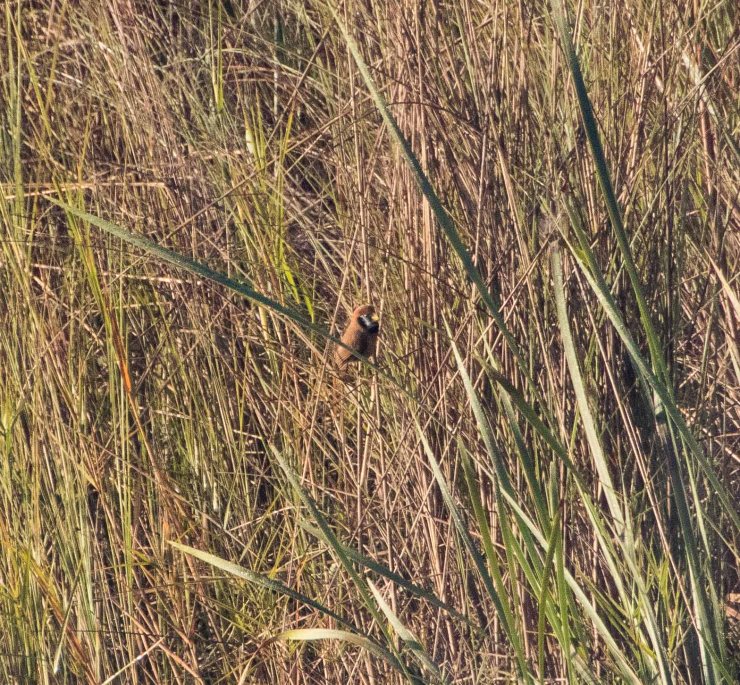
Black-breasted Parrotbill 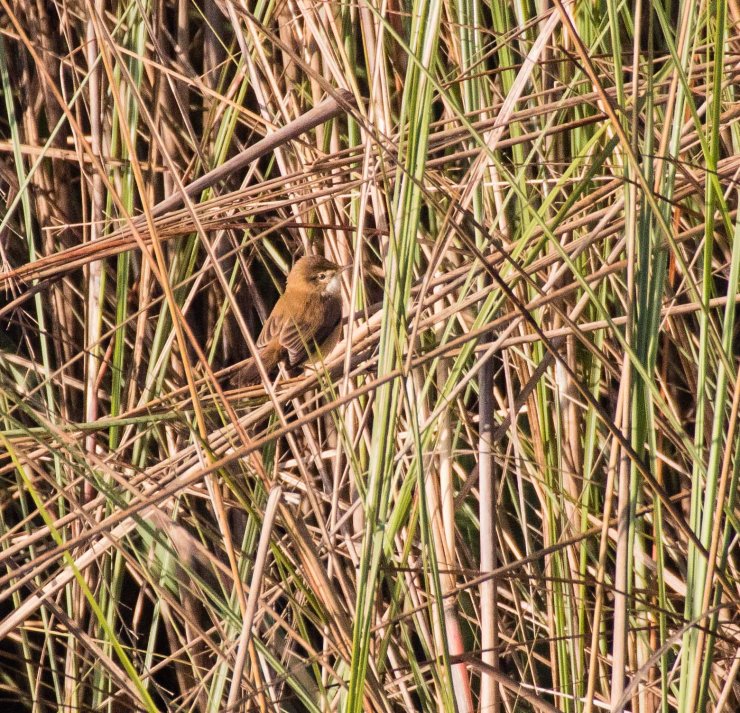
Paddyfield Warbler 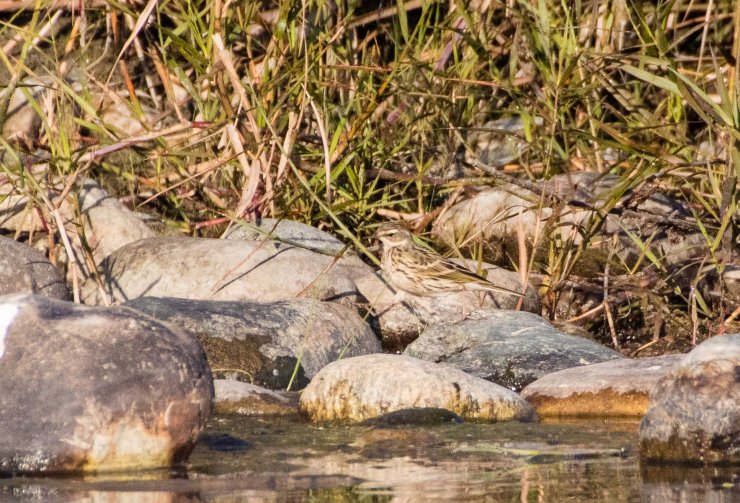
Rosy Pipit 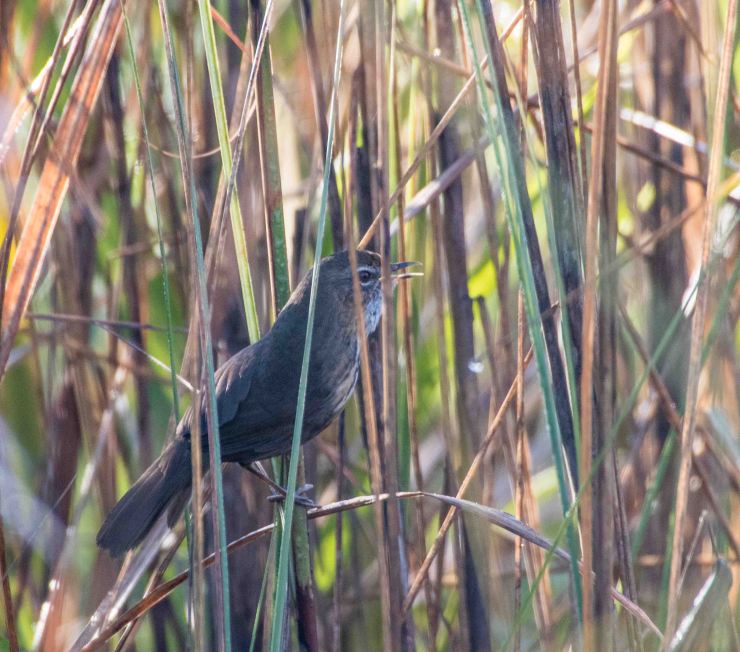
Marsh Babbler
Back at the camp, we finished our breakfast and then proceeded to complete our packing and loading the luggage into the vehicles. Soon it was time to say goodbye to Roing. However on the way we made a visit to RIWATCH (Reasearch Institute of World and Ancient Tradition and Cultures and Heritage) located in Ambali village. We were given a perspective into the traditions and culture of the local tribes.
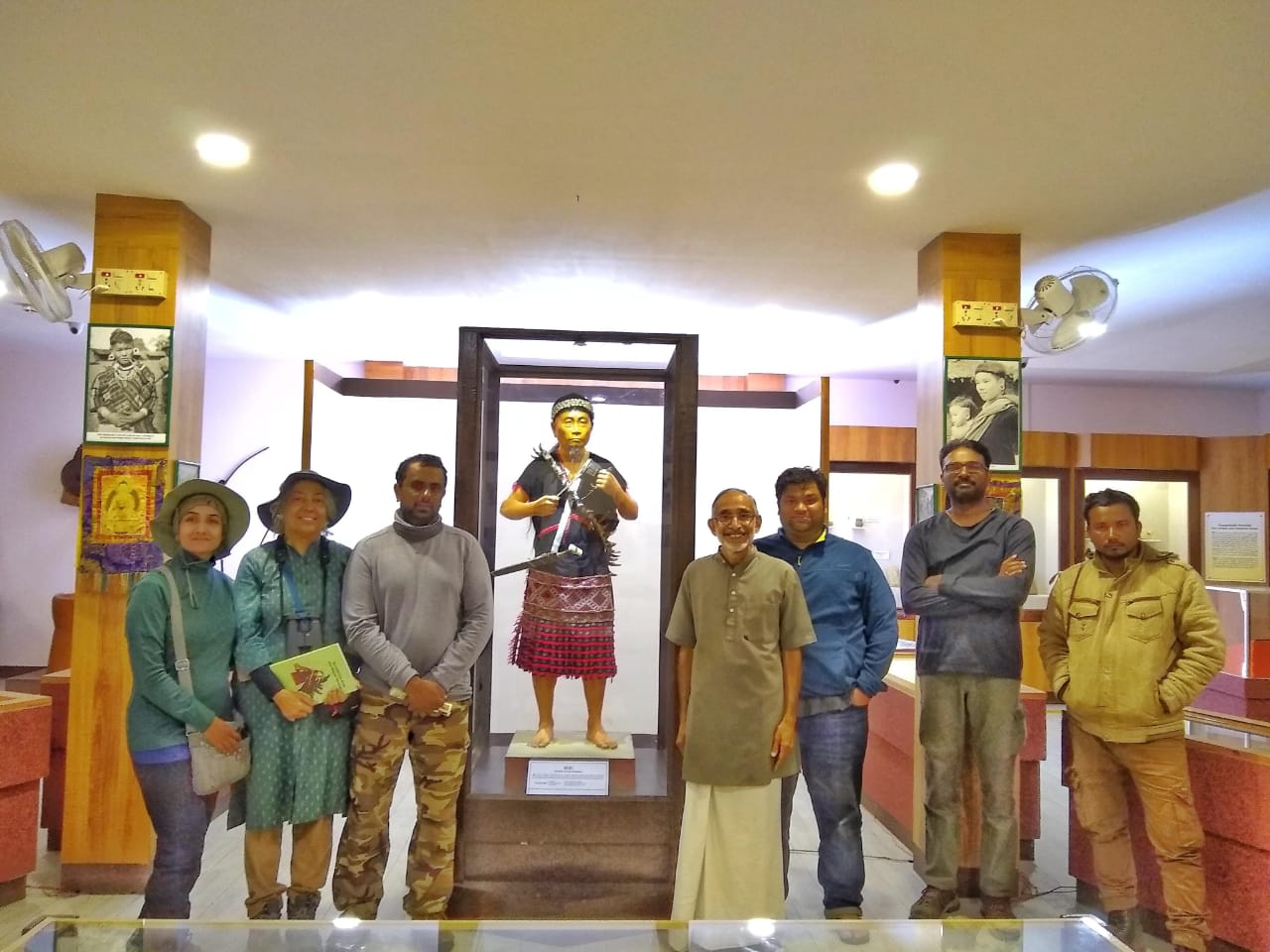
We also passed some mustard fields on the drive out. We, of course, could not resist walking through them and taking a picture.
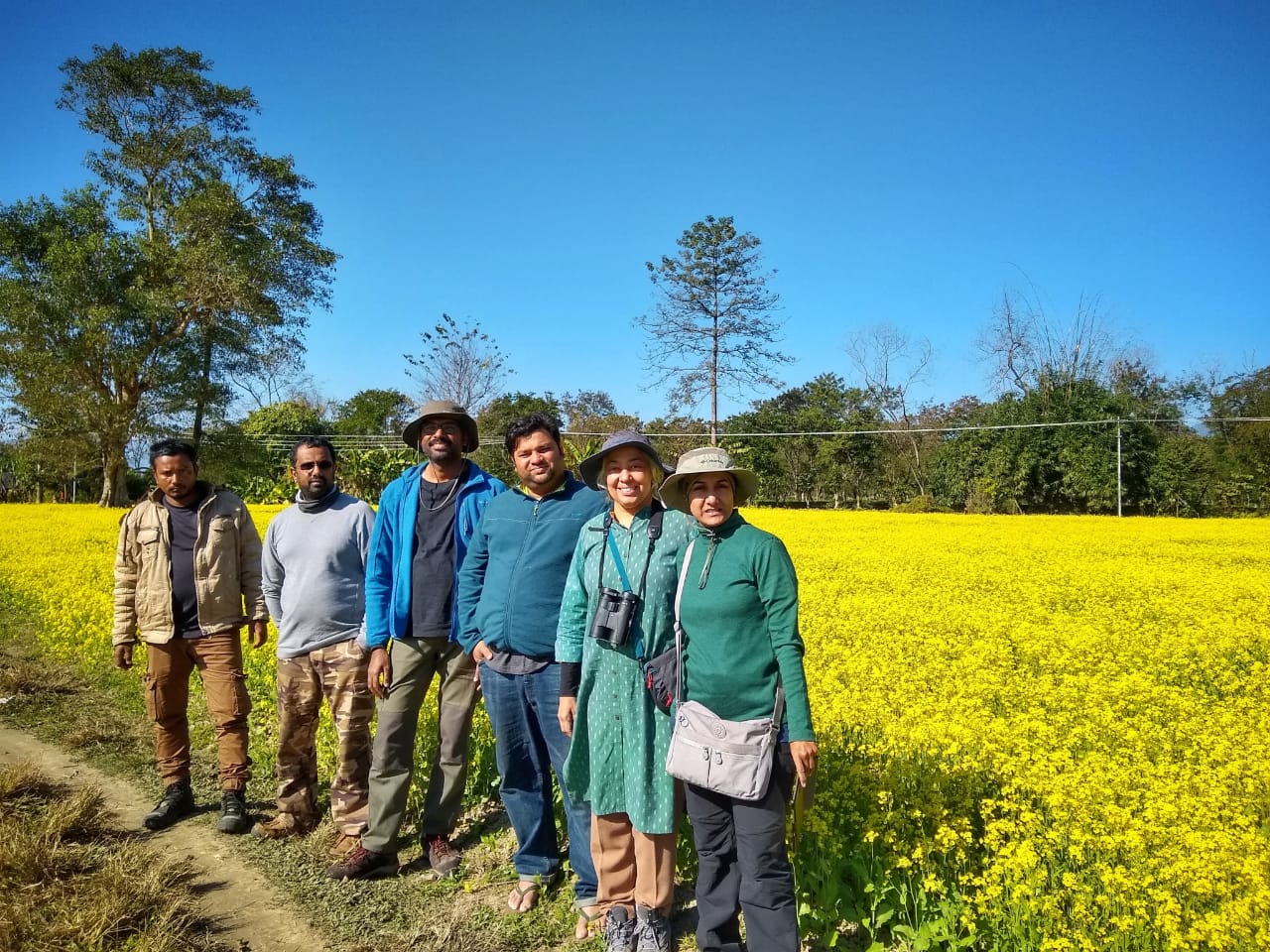
(L to R) Palash, Kumar, Me, Vinay, Chaula, Kushal
And then it was truly time to say goodbye to the beautiful hills and head on to Maguri Beel in Assam. We reached Maguri Beel around 3:30PM. Dusk was approaching fast. But we were able to do an hour of birding.
At the Kohuwa Eco Camp where we were staying, it was time to say goodbye to our drivers, Bitu and Mintu.
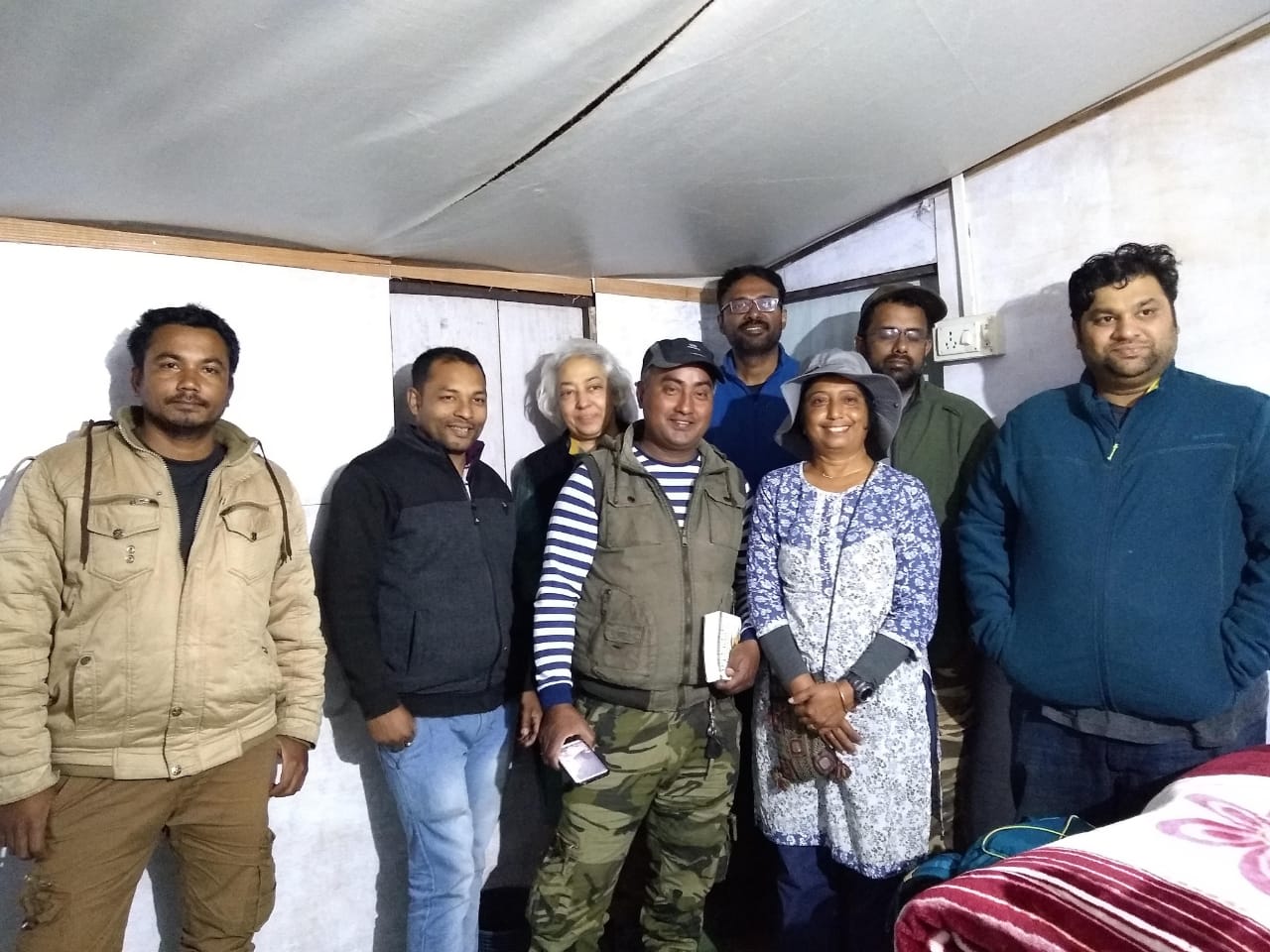
(L ro R) Palash, Mintu, Chaula, Bitu, Me, Geetanjali, Kumar, Vinay
With this our Mishmi Hills leg of the tour was truly over. We all gathered around a bon fire and then around dinner to reminisce the trip.
Virtual Tour
Here is a short video that I put together from the trip.
Natural Beauty of Mishmi Hills
In case you want to get a view of the natural beauty of Mishmi Hills, have a look at my post of Enchanting Mishmi Hills.
Summary and Recommendations
Was it all that I had expected? Yes and much more. It is not just the birds that enchanted me; rather it was the whole place and everything in it. I will certainly be going there again.
There are many things one needs to keep in mind when planning a trip there, based on what I experienced. They are as follows:
- Weather – This can vary dramatically based on the period of the year as well as the places you are visiting. When we went in Dec, it was cold to freezing. It also rained and hailed at Mayodiya Pass. The degree of cold and wind will change as you traverse the varying altitude ranges. So be adequately prepared with relevant clothes. We had taken jackets that could withstand up to -5C, rain coats, hats etc. It can also rain heavily in some other months (I understand from Mar onwards). The last thing you want is to have weather act as a deterrent when you are birding there
- Birding – All the birding is done from the road. Basically you would be passing through on the hills in your vehicles, stopping at places of interest and then walking along the road. And I mean a lot of walking. We would on an average walk between 6 – 10 kms everyday in our trip. When walking, we would look for movement or listen for calls. And when we did, we would try and locate the birds. Actually on most occasions in our trip, locating the presence of a bird was done from its calls. So knowing the bird calls or having a guide who knows them, is essential. It was amazing to see how Palash, our birding guide, could differentiate all the bird calls. He could literally track the bird movement and predict where they are likely to come out of the bushes to our view by listening to their calls! We would not have been able to see half the birds we did without him. You will also need to be prepared for the use of bird calls to lure or check for their presence.
- Usage of recorded bird calls – Unfortunately this cannot be completely avoided as the vegetation is pretty thick and not all birds calls often due to hunting. The paucity of time in the trip can also be factor, as almost everyone desires to see maximum birds in theirs. One should, as far as possible, be reasonable in usage of recorded calls though. In this matter, you as a guest will have a big role to play in influencing how you want your guide to act. For the guide, it is mostly a matter of livelihood; whatever makes the guest happy is what they will tend to do. So if you prefer not to use recorded calls at all, then you should instruct your guide as such.
- Photography – If you are looking for brilliant shots for all the birds, then better be prepared to be frustrated. Don’t get me wrong; people do get brilliants shots. However it is not easy. The vegetation is pretty thick in most places and a lot of the birds prefer the undergrowth. So not the best places to take great photos 🙂 . Birds here are also more cautious. This is owing to hunting that is prevalent in these parts. One has to be really focused, quick and possibly lucky to be able to see them. I gave up trying to take photographs at most times and instead focused on trying to see the birds via my binoculars.
- Facilities – This is an aspect that is pretty basic at most places, especially after you cross Roing and go upwards. These parts are not yet popular with the usual tourists. The people who come to visit are usually day visitors who come from Tinsukia or Dibrugarh to see the snow on Mayodiya Pass. The others who come and generally stay for a few days, are the wildlife enthusiasts like us. Options of places to stay for tourists, is very limited. Almost all places we stayed were government owned Inspection Bungalows. There was no hot water in most places. Power was there only through a few hours in the evening. While it may sound inconvenient, I thought it was a blessing. This meant that all the chores would be finished quickly, we had no distractions like television and thus all of us sat together and chatted. We also went to bed early. Very useful, since we usually woke up by 4:30/5AM every morning to get ready for birding.
All in all, I would recommend having your trip organised by someone who has experience with the place. The tour that I went through was organised by Geetanjali of IT Nature Club. I must say that she did a good job of all the arrangements. She had given us good recommendations on what items to bring along for the trip, the weather to expect etc. She even had organised to have extra sleep bags taken along for the full trip, just in case we were not given accommodation at any of the Inspection Bungalows, owing to some visiting government official. Having a travelling cook meant that hot meals were served to all of us everyday; something we all relised in the cold weather. Small aspects that can make a big difference when things don’t go according to plan, as is quite possible in these terrains.
Bird Checklist
Below is the list of birds that we saw during the trip:
| 1 | Ruddy Shelduck (Brahminy Duck) |
| 2 | Rock Pigeon (Blue Rock Pigeon) |
| 3 | Spotted Dove |
| 4 | Little Egret |
| 5 | Black Kite |
| 6 | Grey-backed Shrike |
| 7 | Black-hooded Oriole |
| 8 | Black Drongo |
| 9 | House Crow |
| 10 | Large-billed Crow |
| 11 | Red-vented Bulbul |
| 12 | Asian Pied Starling (Pied Myna) |
| 13 | Common Myna |
| 14 | Jungle Myna |
| 15 | Great Myna |
| 16 | White Wagtail |
| 17 | Red-crested Pochard |
| 18 | Lesser Coucal |
| 19 | Grey-headed Swamphen (Purple Swamphen) |
| 20 | Temminck’s Stint |
| 21 | Little Cormorant |
| 22 | Indian Pond-Heron |
| 23 | Oriental Honey-buzzard (Crested Honey Buzzard) |
| 24 | White-throated Kingfisher |
| 25 | Eurasian Kestrel (Common Kestrel) |
| 26 | Long-tailed Shrike |
| 27 | Rufous Treepie |
| 28 | Barn Swallow |
| 29 | Cinereous Tit (Great Tit) |
| 30 | Tickell’s Leaf Warbler |
| 31 | Dusky Warbler |
| 32 | Striated Grassbird |
| 33 | Common Tailorbird |
| 34 | Citrine Wagtail |
| 35 | Black-faced Bunting |
| 36 | Yellow-footed Pigeon (Yellow-footed Green-Pigeon) |
| 37 | White-breasted Waterhen |
| 38 | Eurasian Tree Sparrow |
| 39 | Lesser Sand-Plover |
| 40 | Common Greenshank |
| 41 | Lesser Adjutant |
| 42 | Striated Heron (Little Heron) |
| 43 | Himalayan Buzzard |
| 44 | Pied Kingfisher |
| 45 | Sand Lark |
| 46 | Black-winged Kite (Black-shouldered Kite) |
| 47 | White-rumped Vulture |
| 48 | Slender-billed Vulture (Himalayan Long-billed Vulture) |
| 49 | Indian Roller |
| 50 | Common Kingfisher (Small Blue Kingfisher) |
| 51 | Crested Kingfisher |
| 52 | White-bellied Erpornis (White-bellied Yuhina) |
| 53 | Bronzed Drongo |
| 54 | Yellow-bellied Fantail |
| 55 | Grey-headed Canary-Flycatcher |
| 56 | White-throated Bulbul |
| 57 | Himalayan Black Bulbul |
| 58 | Ashy Bulbul |
| 59 | Pygmy Cupwing (Pygmy Wren-babbler) |
| 60 | Blyth’s Leaf Warbler |
| 61 | Grey-hooded Warbler |
| 62 | White-naped Yuhina |
| 63 | Whiskered Yuhina |
| 64 | Oriental White-eye |
| 65 | Nepal Fulvetta |
| 66 | Blue-winged Minla |
| 67 | Small Niltava |
| 68 | White-capped Redstart |
| 69 | Black-throated Sunbird |
| 70 | Streaked Spiderhunter |
| 71 | Blue-throated Barbet |
| 72 | Yellow-bellied Warbler |
| 73 | Maroon Oriole |
| 74 | Blue Rock-Thrush |
| 75 | Asian Emerald Dove |
| 76 | Great Barbet |
| 77 | Scarlet Minivet |
| 78 | Collared Treepie |
| 79 | Red-whiskered Bulbul |
| 80 | Striated Yuhina |
| 81 | Spot-throated Babbler |
| 82 | White-crested Laughingthrush |
| 83 | Rufous-necked Laughingthrush |
| 84 | Long-tailed Sibia |
| 85 | Verditer Flycatcher |
| 86 | Mountain Hawk-Eagle |
| 87 | Crested Serpent-Eagle |
| 88 | Black Eagle |
| 89 | Speckled Piculet |
| 90 | White-throated Fantail |
| 91 | Sultan Tit |
| 92 | Black-backed Forktail |
| 93 | Daurian Redstart |
| 94 | Orange-bellied Leafbird (Orange-bellied Chloropsis) |
| 95 | Fire-breasted Flowerpecker |
| 96 | Little Spiderhunter |
| 97 | Grey Wagtail |
| 98 | Slaty-bellied Tesia |
| 99 | Rufous-bellied Niltava |
| 100 | Blue Whistling-Thrush |
| 101 | Plumbeous Redstart |
| 102 | Brown Hawk-Owl |
| 103 | Himalayan Swiftlet |
| 104 | Grey-headed Woodpecker |
| 105 | Lesser Racket-tailed Drongo |
| 106 | Greater Racket-tailed Drongo |
| 107 | Common Green-Magpie |
| 108 | Pale-billed Parrotbill (Lesser Rufous-headed Parrotbill) |
| 109 | Red-billed Scimitar-Babbler |
| 110 | White-hooded Babbler |
| 111 | Lesser Necklaced Laughingthrush |
| 112 | Chestnut-tailed Starling |
| 113 | White-rumped Munia |
| 114 | Red-headed Trogon |
| 115 | Spotted Forktail |
| 116 | Mountain Bulbul |
| 117 | Ashy-throated Warbler |
| 118 | Grey-throated Babbler |
| 119 | Yellow-throated Fulvetta |
| 120 | Blue-winged Laughingthrush |
| 121 | Rusty-fronted Barwing |
| 122 | Black-throated Parrotbill |
| 123 | Stripe-throated Yuhina |
| 124 | Rufous-vented Yuhina |
| 125 | Slaty-backed Forktail |
| 126 | Wedge-tailed Pigeon (Wedge-tailed Green-Pigeon) |
| 127 | Golden-throated Barbet |
| 128 | Wallcreeper |
| 129 | Silver-eared Mesia (Silver-eared Leiothrix) |
| 130 | Chestnut-headed Tesia |
| 131 | Grey-chinned Minivet |
| 132 | Chestnut-bellied Rock-Thrush |
| 133 | Brown Dipper |
| 134 | Oriental Magpie-Robin |
| 135 | Hodgson’s Redstart |
| 136 | Olive-backed Pipit |
| 137 | Long-billed Thrush |
| 138 | Eurasian Sparrowhawk |
| 139 | Eurasian Wren (Winter Wren) |
| 140 | Hume’s Bush Warbler |
| 141 | Russet Sparrow |
| 142 | Black-throated Prinia |
| 143 | Blue-fronted Redstart |
| 144 | Grey Bushchat |
| 145 | Hen Harrier |
| 146 | Black-eared Shrike-Babbler |
| 147 | Grey Treepie |
| 148 | Coal Tit |
| 149 | Green-backed Tit |
| 150 | Black-throated Tit (Black-throated Bushtit) |
| 151 | Grey-cheeked Warbler |
| 152 | Chestnut-crowned Warbler |
| 153 | Striated Prinia |
| 154 | Spot-breasted Parrotbill |
| 155 | Black-chinned Yuhina |
| 156 | Red-tailed Minla |
| 157 | Green-tailed Sunbird |
| 158 | Crimson-browed Finch |
| 159 | Crested Bunting |
| 160 | Little Bunting |
| 161 | Indian Silverbill (White-throated Munia) |
| 162 | Chestnut Munia |
| 163 | Black-headed Greenfinch |
| 164 | Yellow-cheeked Tit |
| 165 | Chestnut-tailed Minla (Bar-throated Siva) |
| 166 | Green Shrike-Babbler |
| 167 | Rufous-winged Fulvetta |
| 168 | Chestnut-crowned Laughingthrush |
| 169 | Beautiful Sibia |
| 170 | Red-billed Leiothrix |
| 171 | Grey-headed Bullfinch |
| 172 | Ibisbill |
| 173 | Little Forktail |
| 174 | Common Rosefinch |
| 175 | Blyth’s Shrike-Babbler (Blyth’s White-browed Shrike-Babbler) |
| 176 | Great Cormorant |
| 177 | Rufous-faced Warbler |
| 178 | Collared Owlet |
| 179 | Hill Partridge |
| 180 | Bay Woodpecker |
| 181 | White-tailed Nuthatch |
| 182 | Striated Bulbul |
| 183 | Streak-throated Fulvetta (Manipur Fulvetta) |
| 184 | Grey-sided Laughingthrush |
| 185 | Streak-throated Barwing |
| 186 | Streak-breasted Scimitar-Babbler |
| 187 | Rufous-breasted Accentor |
| 188 | Scaly Laughingthrush |
| 189 | Rufous-breasted Bush-Robin |
| 190 | Ludlow’s Fulvetta (Brown-throated Fulvetta) |
| 191 | Slender-billed Scimitar-Babbler |
| 192 | Black-faced Laughingthrush |
| 193 | Chestnut Thrush |
| 194 | Himalayan Bluetail (Orange-flanked Bush-Robin) |
| 195 | Yellow-billed Blue Magpie |
| 196 | Spotted Laughingthrush |
| 197 | Darjeeling Woodpecker |
| 198 | Striated Laughingthrush |
| 199 | Grey-winged Blackbird |
| 200 | Eyebrowed Thrush |
| 201 | Barred Cuckoo-Dove |
| 202 | Eurasian Moorhen |
| 203 | Red-wattled Lapwing |
| 204 | Black Stork |
| 205 | Paddyfield Warbler |
| 206 | Plain Prinia |
| 207 | Black-breasted Parrotbill |
| 208 | Rufous-capped Babbler |
| 209 | Marsh Babbler |
| 210 | Striated Babbler |
| 211 | Bluethroat |
| 212 | Common Hill Myna |
| 213 | Rosy Pipit |
| 214 | Streaked Weaver |
 Mad about Birding and Travel
214 species in nine days! Very impressive. Very nice photos
LikeLiked by 1 person
Yes, it was a very rewarding trip indeed
LikeLike
Beautiful captures. That was a long post. I could imagine how the trip must have been 🙂
LikeLiked by 1 person
Thanks Sunith., it was indeed a cracking one. I could only do justice with a long post 🙂
LikeLiked by 1 person
I appreciate the great amount of time you put into each post!
LikeLiked by 1 person
Yeah. the beauty of that leaf just stood out as we walked by.
LikeLike
Thanks Henry. I thoroughly enjoy writing each post. Writing them helps me, in a way, re-live those moments again
LikeLike
Hi, amazing write up, lot of depth and detail. I’ve reached Guwahati today and am looking at the possibility of visiting AP for birding.
Can you please provide the contact of your guide Palash?
If possible I’ll visit AP in the first week of April. Thanks in advance. Please revert via email.
LikeLike
Thanks Adil. I have you sent his contact details over email. Hope you have a great trip.
LikeLike
Very impressive write up and the shoots !
It has created a great excitement in me ..as i too am doing same trip 29 March to 6 April 22.
If you have any contacts for accomodation at Dibru Saikowa please let me know via email ?
Thank you .
LikeLike
Unfortunately I don’t Megha. I hope you have a great trip.
LikeLike
Great Write Up Thomas ! the “Summary & Recommendation” part in particular was of great help from a planning standpoint. From a birders perspective…..well…..Its just spectacular ! KUDOS ! 🙂
LikeLike
Thanks a lot Vignesh!
LikeLike