
Nandi Hills is a very popular birding destination for a lot of “Bangaloreans” (a general term that I have used to include any person staying in Bangalore) and also for visitors. It is an ancient hill fortress. Most people visit the place to see the beautiful sunrise from the hill top, go for a picnic or just to serve as an outing away from the city. Being a hill it helps visitors in getting some respite from the heat during summers. It is also a popular destination for trekkers and cyclists given the terrain. But for many like me it is a great destination for birding, especially during winters when the migrants arrive.
What is it about Nandi Hills that attracts birders? Well, for me it is definitely the chance to see the thrushes, warblers and the Indian Blue Robin. These are birds that prefer higher altitude and will be unusual to see them within Bangalore. In this blog I will cover many of these birds that I have seen there over the few years that I have been visiting it. Nandi Hills is quite vast. Different birds seem to be prefer different sections of the hill. So I will mention the areas that they are usually seen at based on my experience.
They say that in a trip it is not just the destination that matters; it is also the journey. Well birding at Nandi Hills starts right from its base. A stop at the tea stalls at the base is likely to yield good views of House Sparrows. I have observed them roost under the tiled roof of one of the tea shops in one of my initial trips. On the road up the hill listen for bird calls. You are likely to hear the calls of Grey Junglefowls early in the morning.
In my initial trips I would drive through all the way to the hill top. However I recently got to know that it was possible to see the Yellow-throated Bulbuls on the hill. This is a not so easy bird to see anywhere given that it is only found in the hills of South India. So if you have not seen one already then it is definitely worth a try at Nandi Hills. Almost half way up on the road there is a “long-ish” turn where the road is wide. This is where you may get to see them. During my last trip we had got to see two of them.We also got to see a flock of Common Rosefinchs a bit after this spot.

Common Rosefinch (F)
Always keep an eye on the tree besides the road. Several people have spotted raptors perched on them at times.
Once you reach the entrance to the fortress you have an option of parking your car in the car park or taking it with you into the fortress. I have always taken my car up to the top of the hill. In the fortress I usually cover Tipu Sultan’s Summer Palace, the Nursery and the gardens in front before I head off to the very top of the hill.
After paying the vehicle and camera charges at the narrow entrance “gate” I usually park my vehicle in the area immediately to the left after this entrance. This is just next to Tipu Sultan’s Summer Palace and is where I have got good views of the Blue Rock Thrush, Tawny-bellied Babblers, Indian Blackbird and Oriental Magpie Robins.

Blue Rock Thrush (M)

Tawny-bellied Babbler
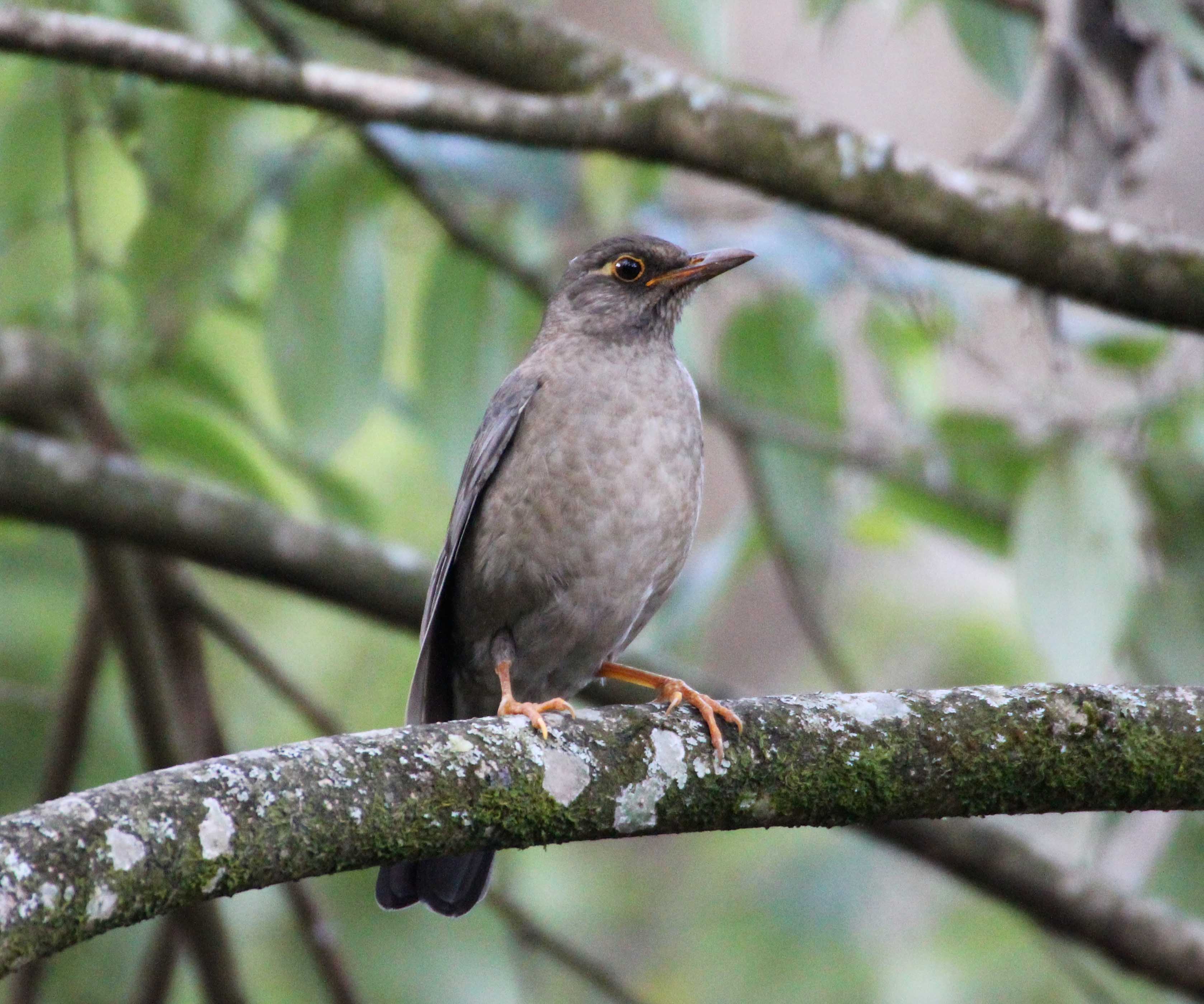
Indian Blackbird (F)

Oriental Magpie-Robin (M)
Be watchful as you climb the stairs to head towards the large water tank. You may have Grey Junglefowls walking in the nearby pathway.
The walkway besides the large water tank and the various shrubs, trees and pots are usually great places to see the Puff-throated Babbler, Indian Blue Robin, the warblers like the Tickell’s Leaf Warbler, Tytler’s Leaf Warbler and the Grey Wagtail.

Puff-throated Babbler 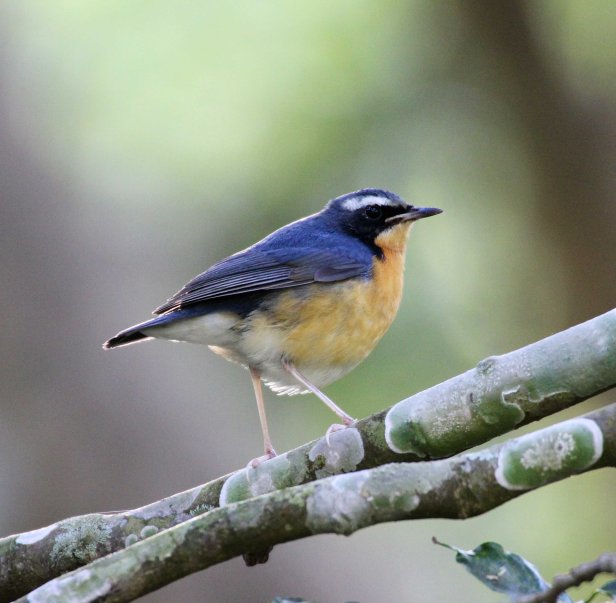
Indian Blue-Robin (M) 
Indian Blue-Robin (M)

Tickell’s Leaf Warbler

Tytler’s Leaf Warbler

Grey Wagtail
The next area I usually cover is the Nursery. The walk through the pots is a good way to get to see the Indian Blue Robin, warblers such as Blyth’s Reed Warbler, Booted Warbler and Common Tailorbird. The trees around the nursery will usually be buzzing with the calls of the Hume’s Warbler, Green Warbler and Greenish Warbler. During the initial period of winter migration, you also stand a chance to see (or hear) the Large-billed Leaf Warbler. You will need to be quick if you want to see them though 🙂 .

Hume’s Warbler

Greenish Warbler
There will also be plenty of sunbirds and bulbuls going about with their daily activities. The sunbirds that I have usually seen are the Purple-rumped Sunbird and the Loten’s (Long-billed) Sunbird. The bulbuls are the Red-whiskered Bulbul and Red-vented Bulbul. The trees around the grass lawn a bit further into the Nursery area as well as the trees besides the large water tank is where I have seen the thrushes. These include the Orange-headed Thrush, Pied Thrush and the Blue-capped Rock Thrush. They can be well hidden and you will need to be observant to spot them.
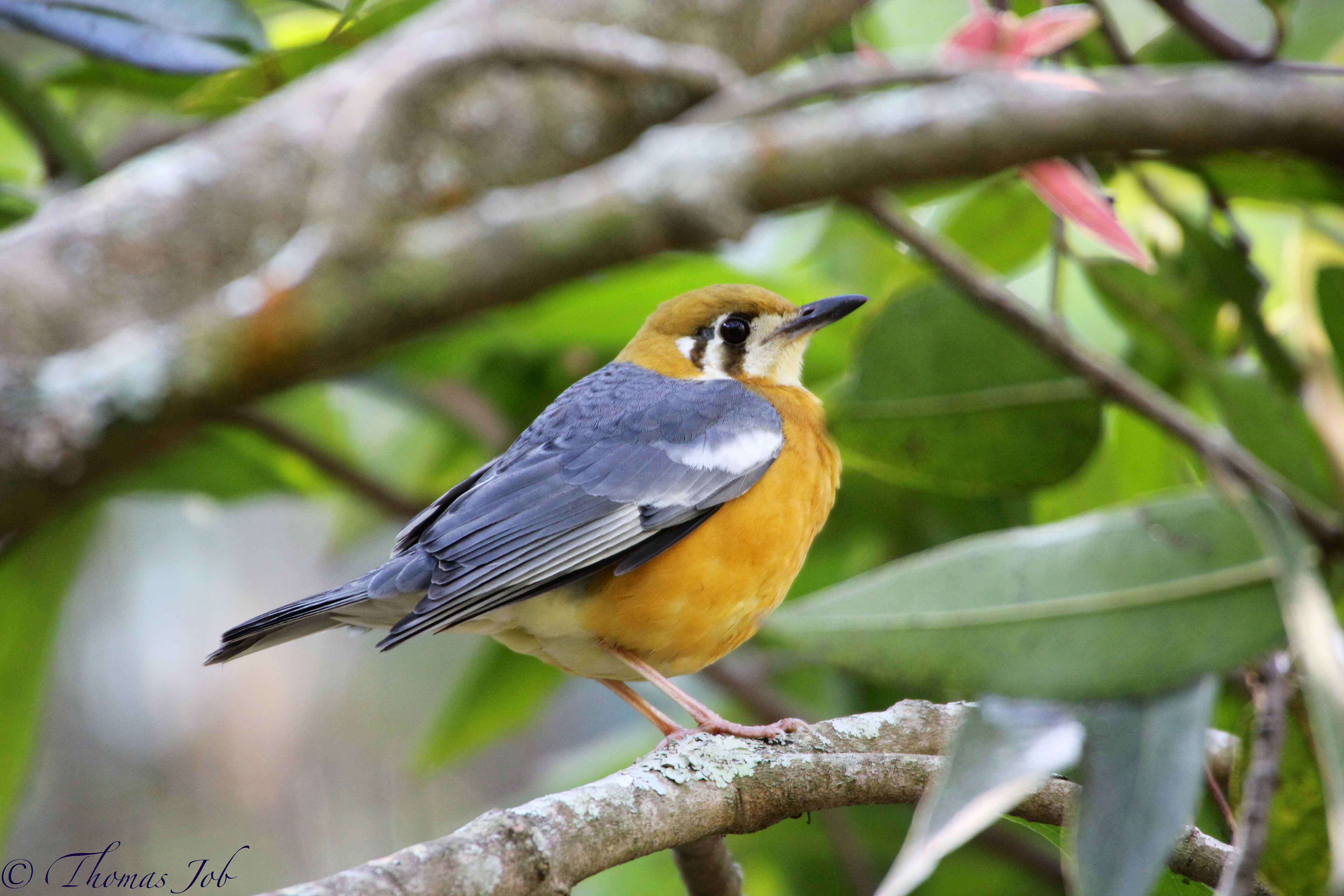
Orange-headed Thrush

Pied Thrush (M)

Blue-capped Rock Thrush (M)
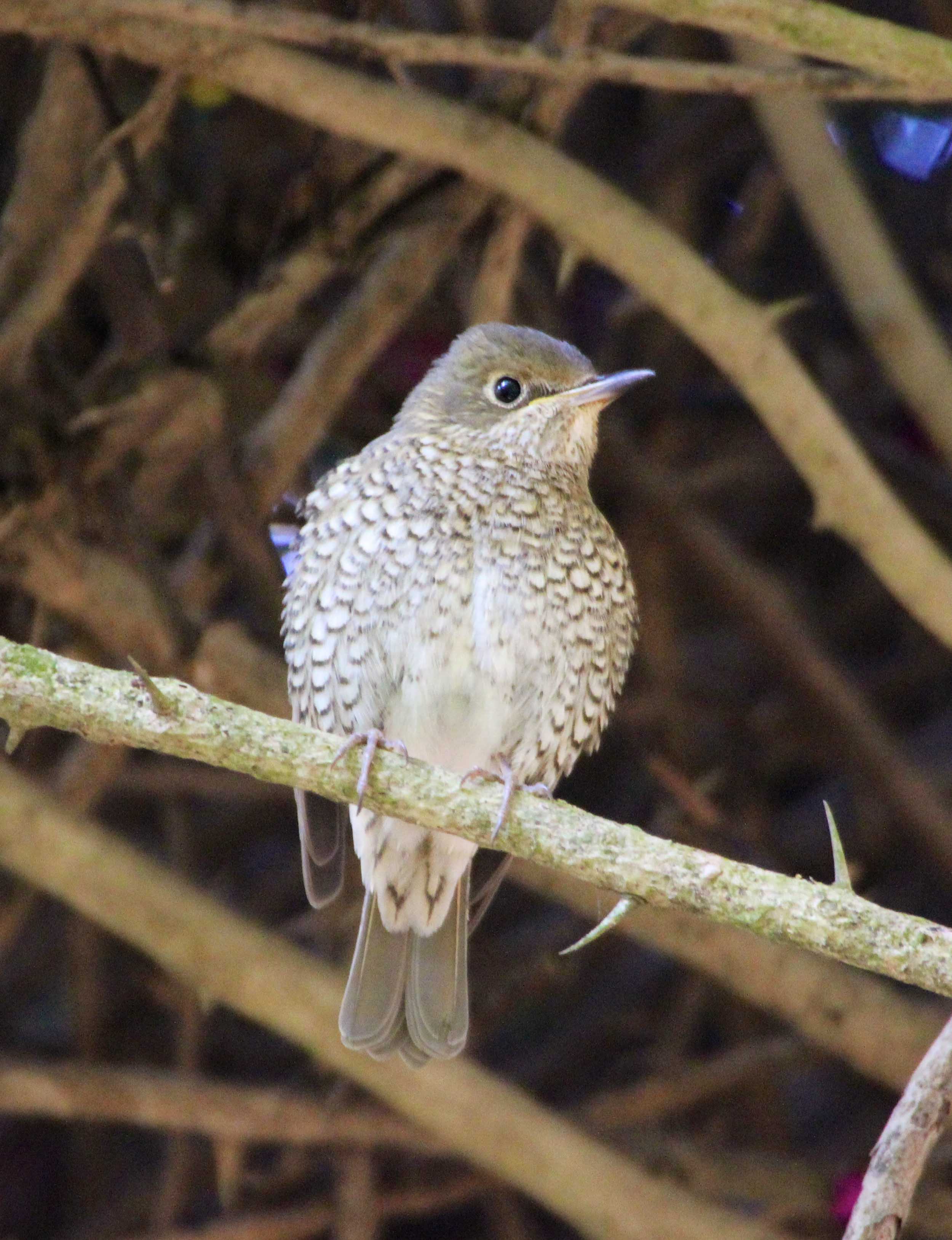
Blue Rock Thrush (F)
This area also gets plenty of Oriental White-eyes and Ashy Drongos.

Oriental White-eye

Ashy Drongo
Nandi Hills is probably the only place near Bangalore where one can get to see the Nilgiri Wood Pigeon. The trees around the Nursery area is where I have seen them.
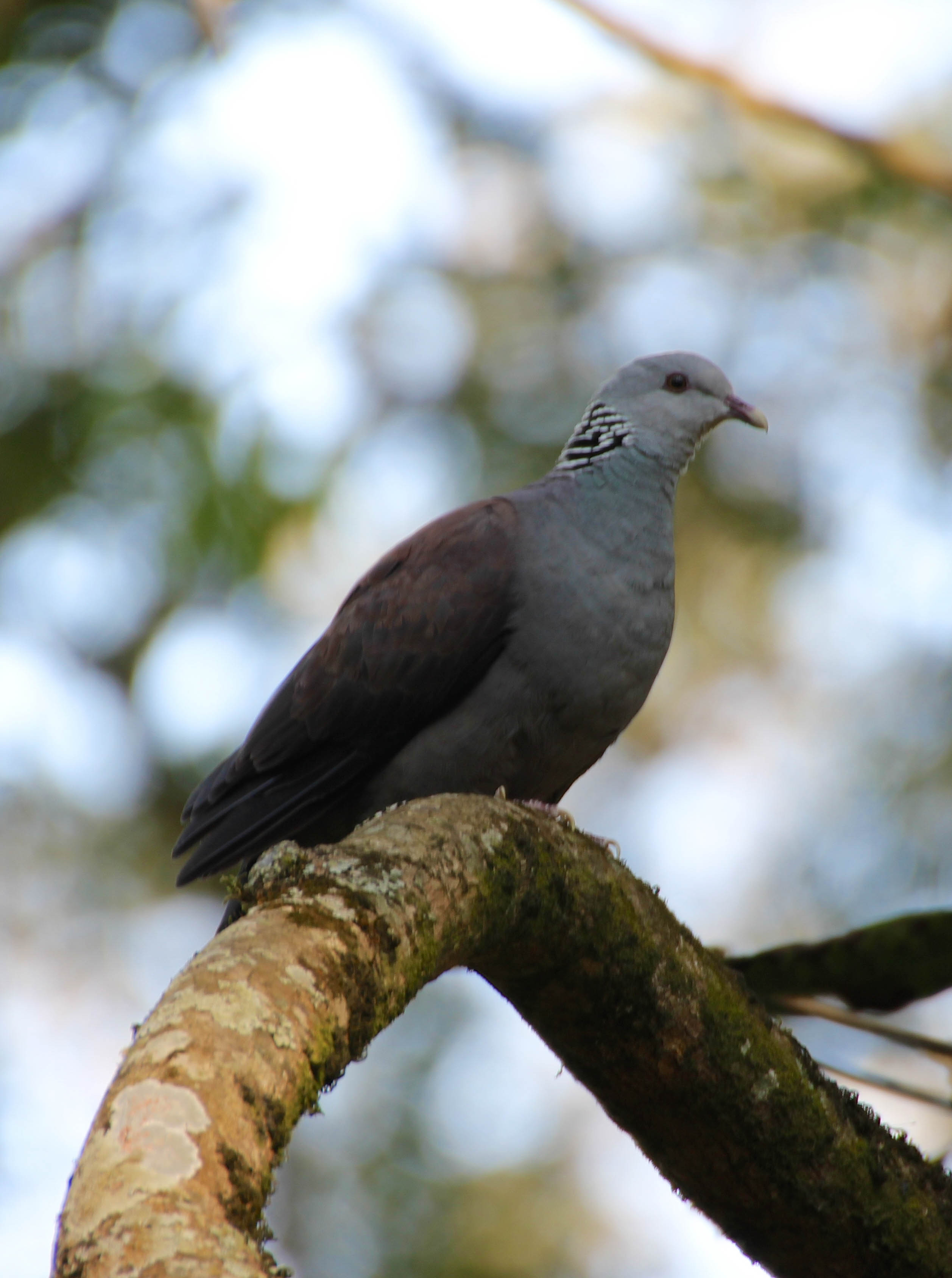
Nilgiri Wood-Pigeon
I also got my first sighting of the Indian Scimitar Babbler at the Nursery area. They are pretty vocal when they are around. So knowing their call can help locate them.
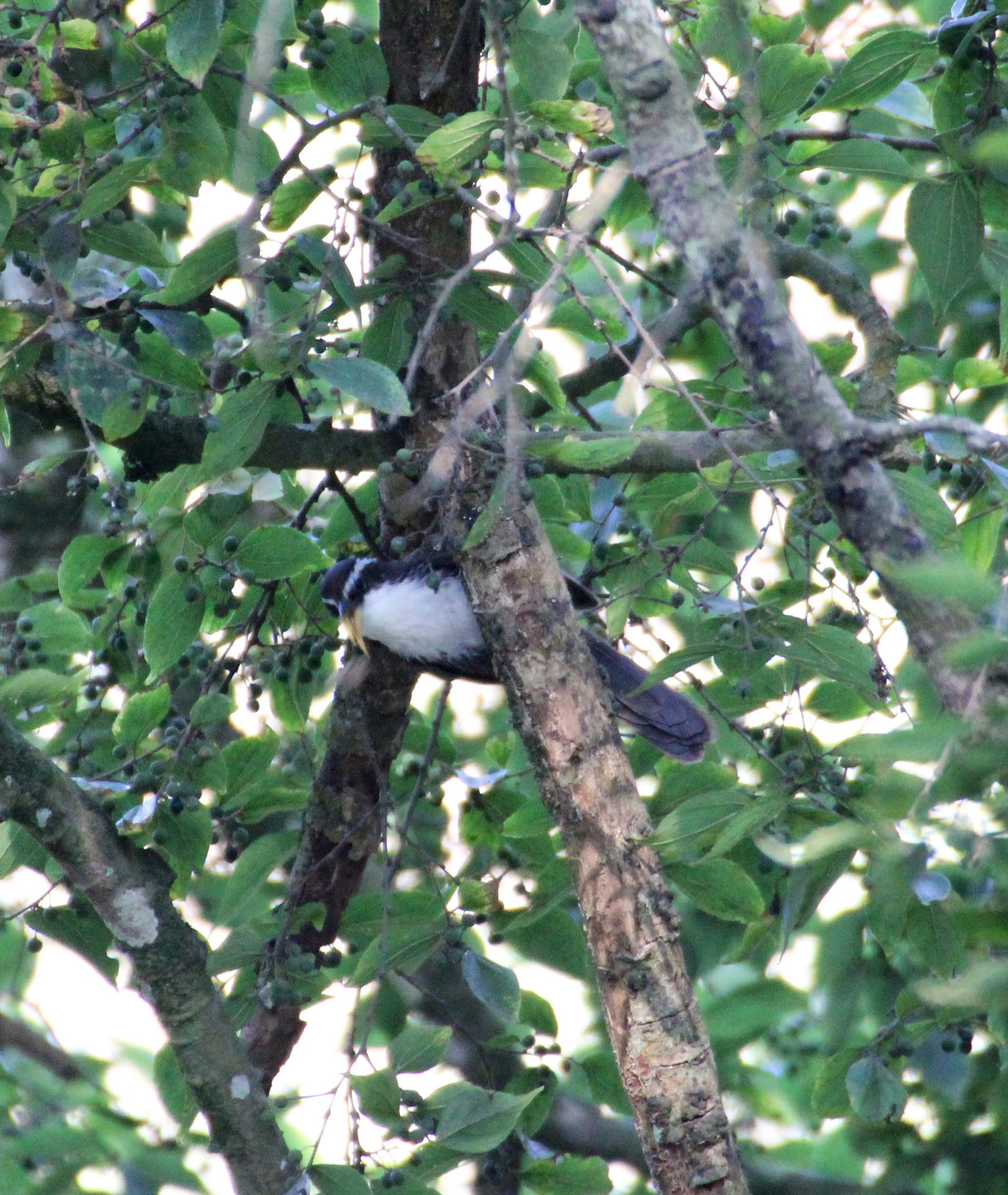
Indian Scimitar Babbler
The Nursery is also where I have seen the Verditer Flycatcher and Tickell’s Blue Flycatcher. You also have a chance of seeing Ultramarine Flycatchers.

Verditer Flycatcher

Tickell’s Blue Flycatcher (M)
There is a small pond between the lawn and the large water tank. I have been lucky to see the Malabar Whistling Thrush on two occasions in it.
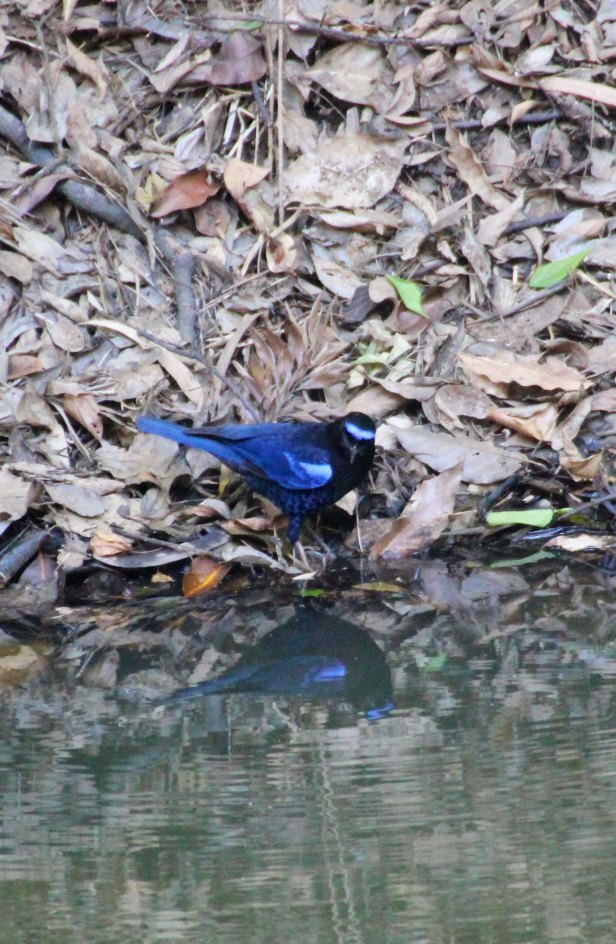
Malabar Whistling-Thrush 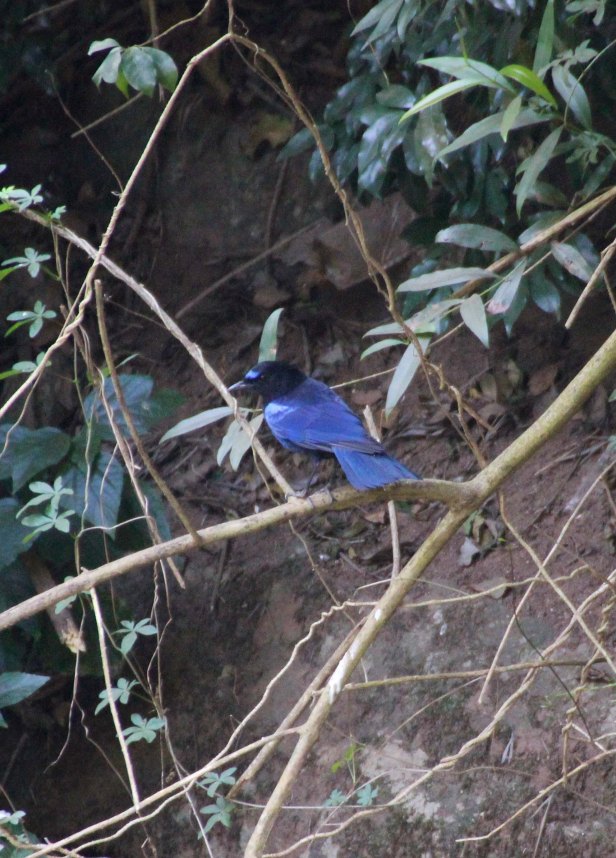
Malabar Whistling-Thrush
One should also explore the pathways on both sides of the nursery going up to the hill top. People have seen the Sulpher-bellied Warbler around these pathways though I have not been lucky to see one yet.
The star attraction of Nandi Hills is the Indian Paradise Flycatcher; a species that will enthral any birder or bird photographer, be a novice or a veteran. Even the gardeners who work in the nursery are familiar with this species and describe it as the “bird with the long tail”. It never fails to mesmerise me with its beauty.
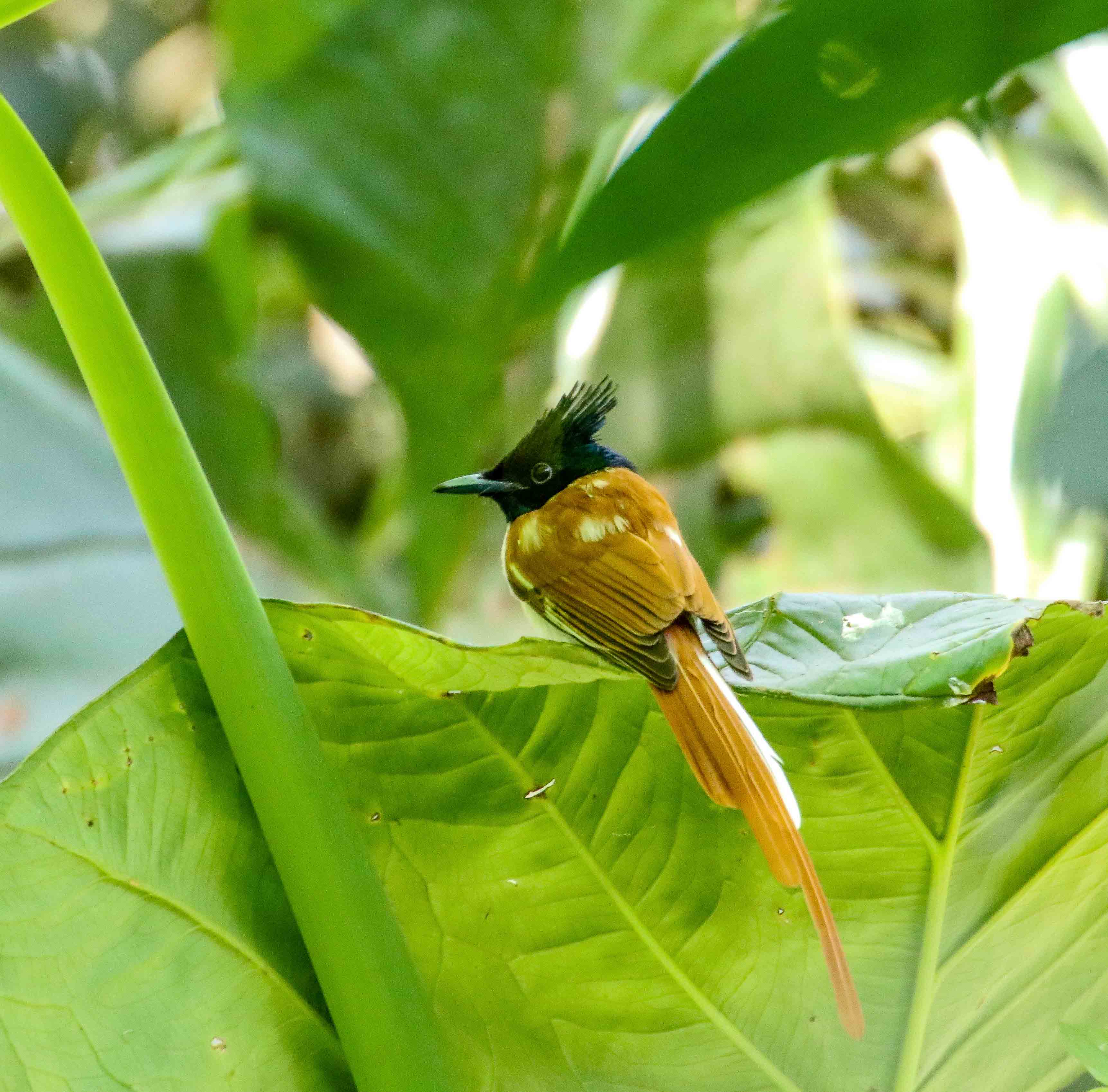
Indian Paradise-Flycatcher (M)
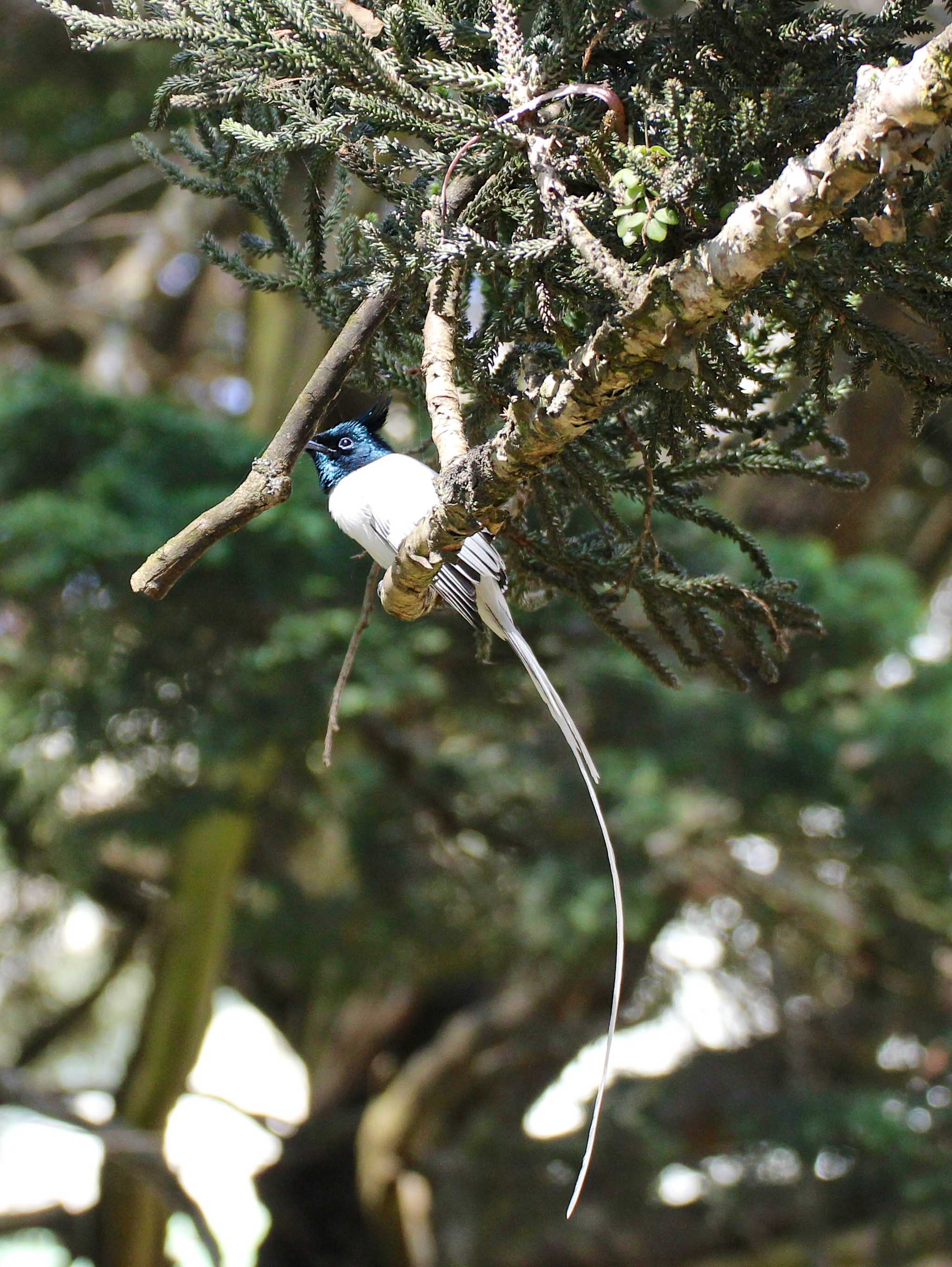
Indian Paradise-Flycatcher (M)
They are seen both at the Nursery and in the gardens at the top of the hill around the Nehru Nilaya. They are not very shy. I have also seen them take quick dips in the small pond at the Nursery.
The gardens at the top of the hill is where I have seen the Red-breasted Flycatchers and the Olive Pipits. Lookout for other flycatchers like the Tiaga Flycatcher and Asian Brown Flycatcher.

Red-breasted Flycatcher 
Red-breasted Flycatcher

Olive-backed Pipit
Have a peep at the small water outlet behind the restaurant area near Nehru Nilaya. I have seen both the Pied Thrush and the Blue-capped Rock Thrush around there on some occasions.

Pied Thrush (F)

Blue-capped Rock Thrush (F)
If you missed to see the Tawny-bellied Babblers near the water tank then the gardens at the hill top is the next best place.
Next walk over to the observation deck and look for birds soaring in the sky. If you are lucky then you may see some raptors. Birders have reported seeing raptors like the Common Buzzard, Steppe Eagle, Long-legged Buzzard and Peregrine Falcon. You can also get to see swallows and swifts (Little Swifts, Alpine Swifts) in flight.
A visit to Nandi Hills is not only about birds. One gets to also see eye-catching scenery especially when the sunlight streams in through the tree tops. It always makes me stop and admire the beauty.
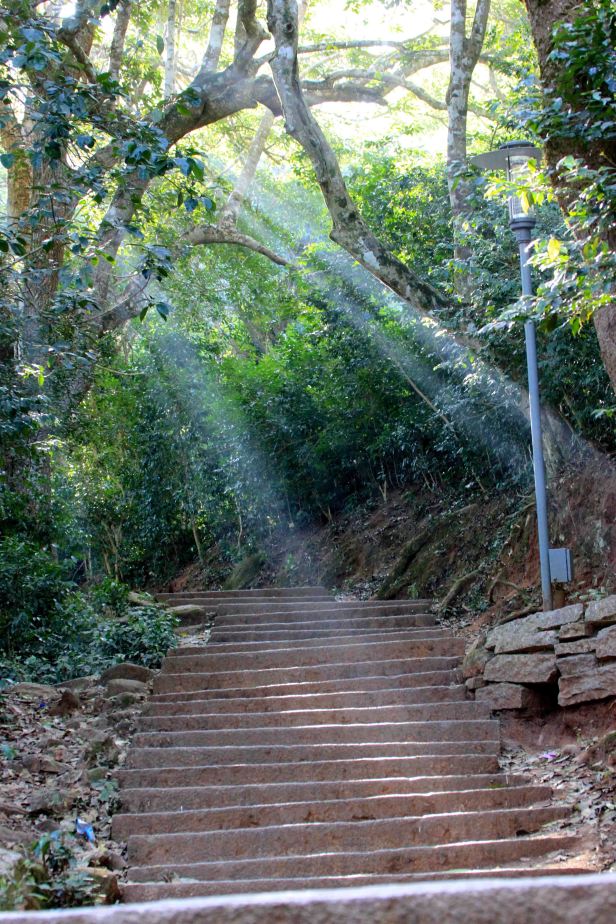
Let there be light! 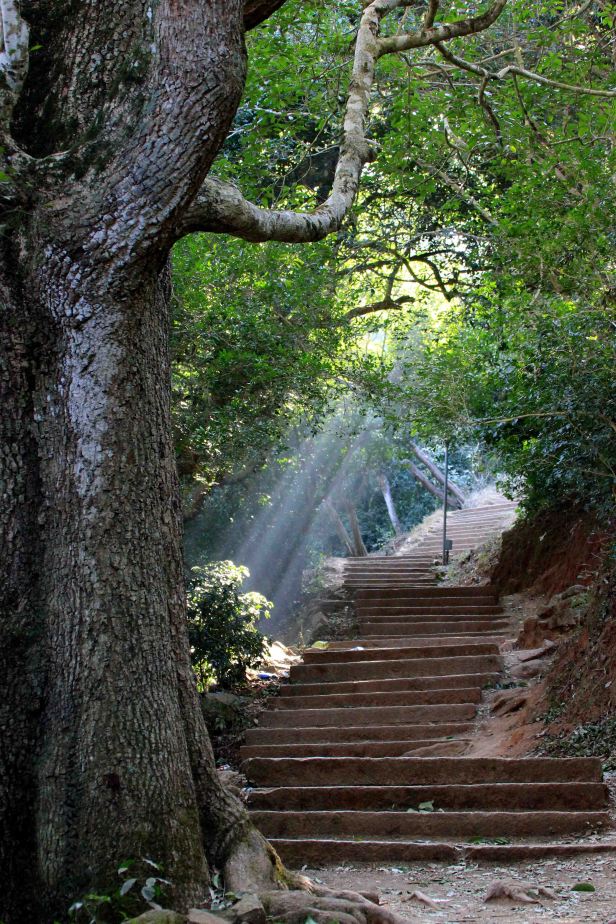
Let there be light!
A morning in winter can also sometimes get you to see the fog rolling in over the hill. Best observed from a vantage point on the way up the road.

A winter morning
When you are at the base of the hill on the way back stop and look into the sky for any raptors soaring using the thermals. I have seen the Bonelli’s Eagle and Booted Eagle on an occassion.
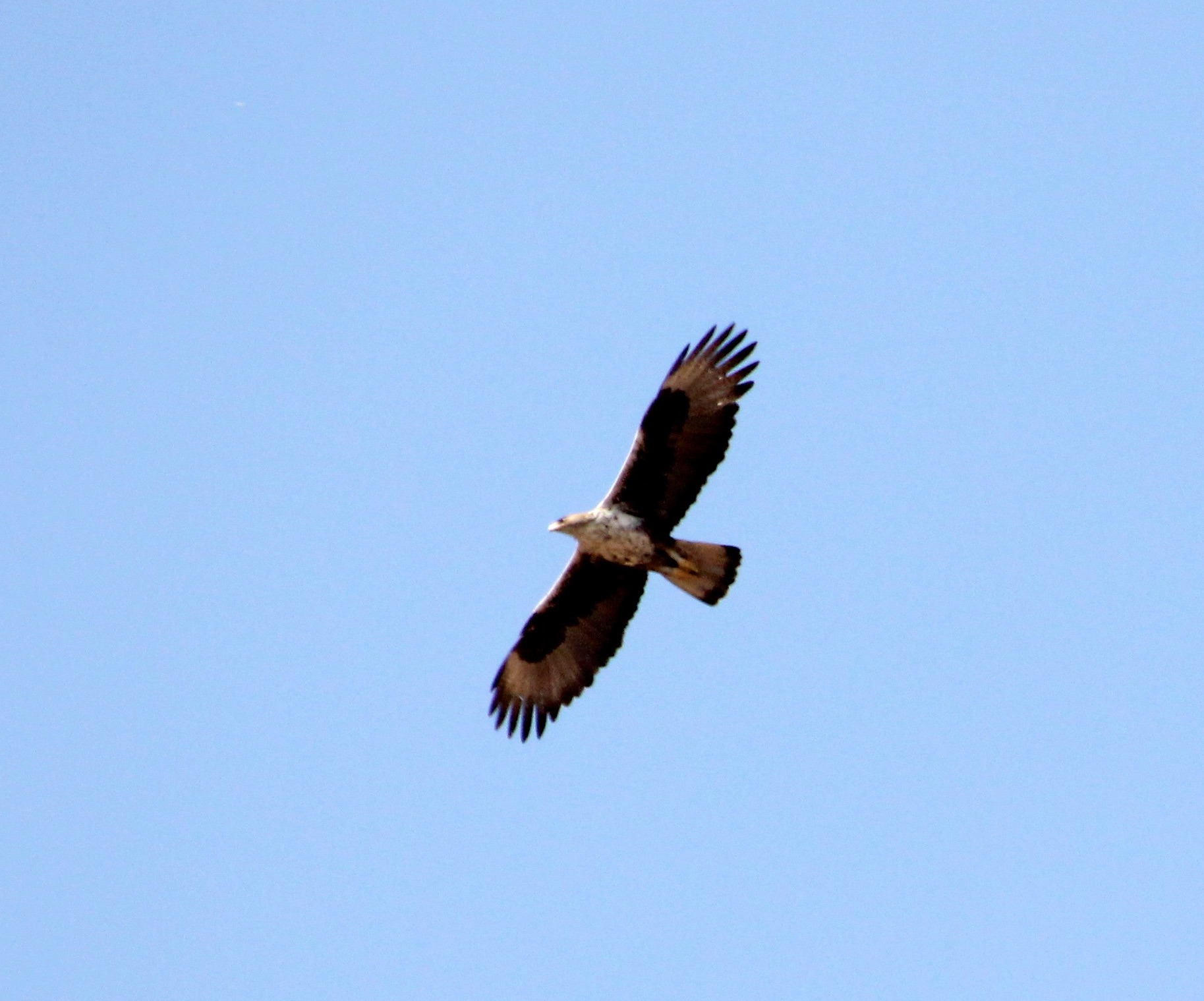
Bonelli’s Eagle
Interesting Places Nearby
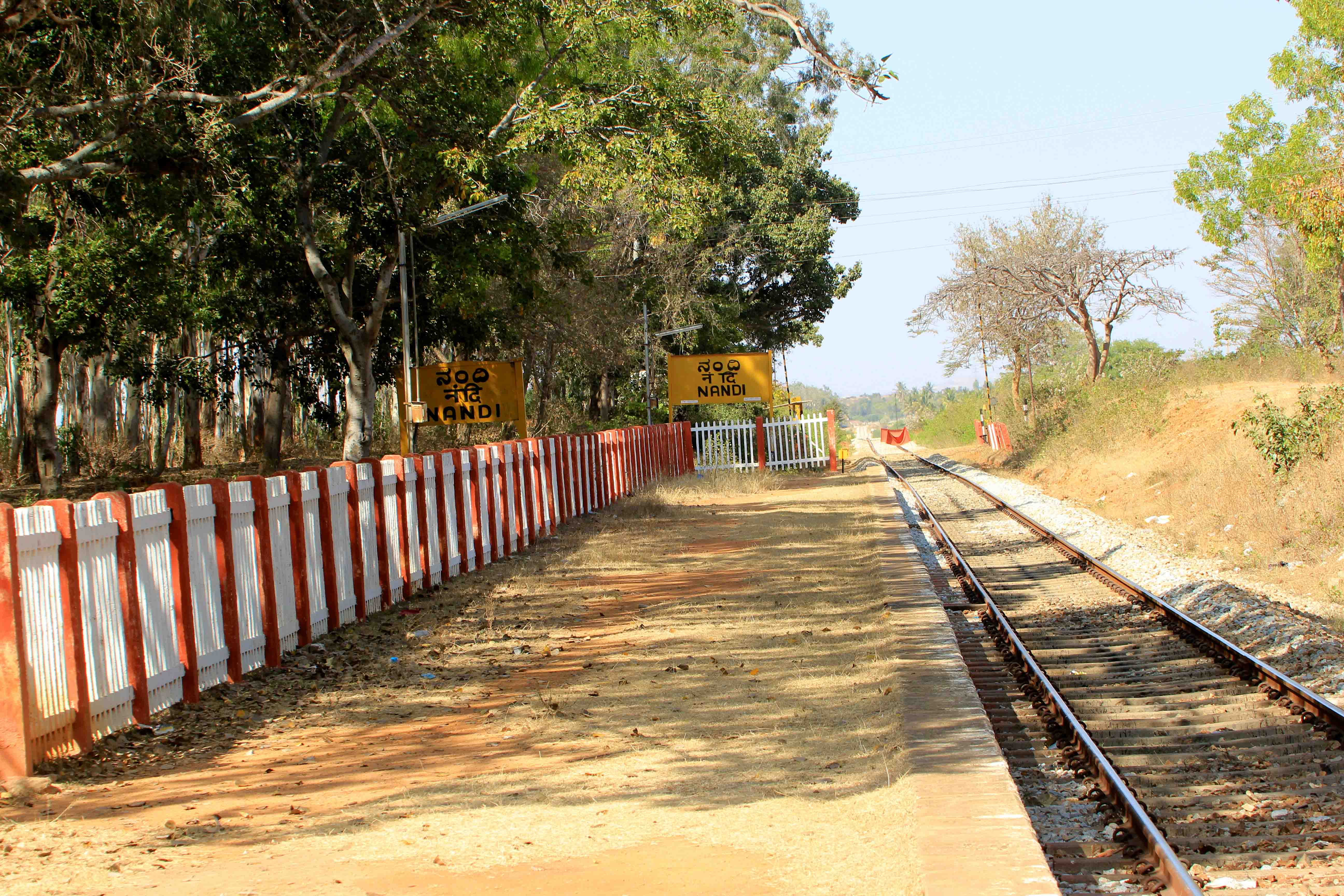
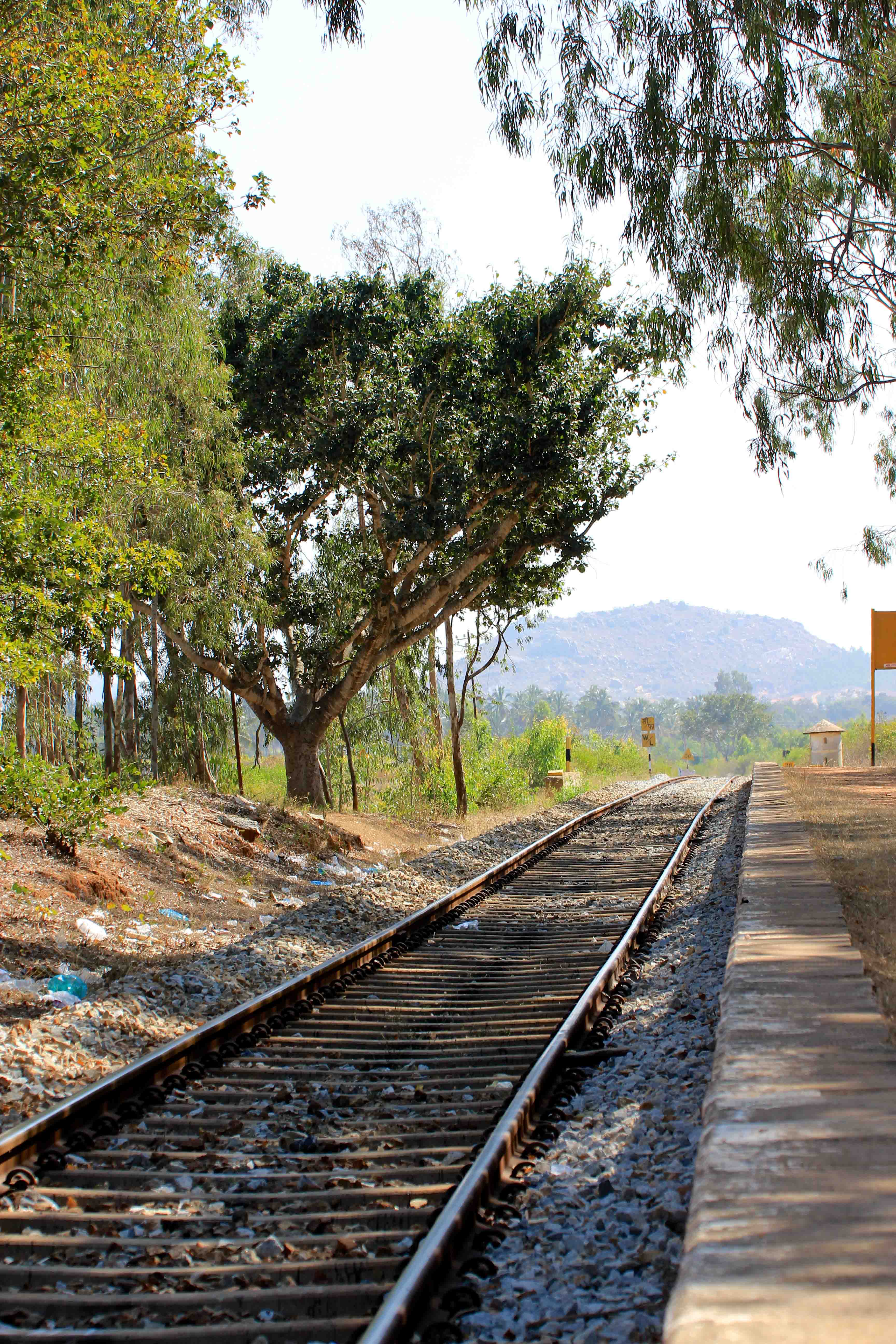
No visit to Nandi Hills is complete for me without a visit to Nandi train station. It can be easily accommodated in the trip. It has a very quaint looking train station (has a feel of a heritage building) as well as a serene environment. It helps that there is possible only one or two trains that pass by in a day 🙂 . It is a good place to park your vehicle and have your snack if you had packed one.

Virtual Tour
Here is a short video that I put together to give you a short virtual tour of the place. I have not covered the historical parts though.
I would highly recommend to visit the place, especially in winter; for both the birds and the beautiful mornings.
Bird Checklist
Below is the list of the birds that people have reported seeing at Nandi Hills over the years:
Getting There
Nandi Hills is around 70 kms from the city centre and roughly around 30 kms from the International Airport exit on the highway. The most commonly used (and easiest I would think) is to drive there. Hire a taxi or get your own vehicle. Lookout for the sign-board for Nandi Hills while on the NH 44 once you cross the International Airport exit. Nandi Hills is also tagged on Google Maps.
There is a train station called Nandi not too far from the base of Nandi Hills. I have not tried using the train to get there yet. If you did you will still need to organise a vehicle to transport you from the train station to the Hills.
There is a checkpoint on the road at the base of the hill. They start letting traffic through only from 6AM. Keep this mind if you are planning to reach there to catch the sunrise.
Recommendations and Tips
Nandi Hills is a popular place of visit for the folks in Bangalore and other nearby places. This means that on weekends and public holidays there will be plenty of people visiting. I strongly recommend that given an option you visit the place on a “working” weekday in order to avoid the crowd.
The Nursery part of Nandi Hills has been marked as “No Entry” for the public. The caretakers are generally fuzzy about people going in this part especially if it is a noisy group. They are thankfully more tolerant of birders and bird photographers given that these people tend to be quiet and “less of a nuisance” (I guess 🙂 ).
Time can fly when you are birding in Nandi Hills, especially as some of the avian visitors will enthral you with their beauty. We usually start birding by break of dawn and usually end up being there till a little after noon. So take a snack if you don’t want to spend time going to one of the restaurants.
Places to Eat
There are plenty of places to each at the top of Nandi Hills. You can also find a number of eateries at the base of the Nandi Hills. These seem to be ever expanding given the popularity of the destination.
Precautions
The area at the top of Nandi Hills has a lot of Bonnet Macaques roaming around freely. Over the years they have learnt the tricks of getting an easy meal. It is not unusual to see them slyly raiding a shop when the shopkeeper has his/her attention away. They are especially attracted to brightly coloured packets and bottles, but will go for almost anything they can get their hands on. They can be an irritant as they sometimes try and snatch food right from your hands. I remember on one family visit to the hill top a macaque snatched a freshly bought ice-cream lolly from my son’s hand. So be careful. If you can avoid eating in the open it is best.
Exercise caution when driving up as well as down. The road is windy and has a few hairpin bends as well. Winter also has fog in the morning. So driving in such conditions has to be with extreme caution.
Request
As I mentioned already Nandi Hills is a popular destination. It is sad to see litter that is strewn around the paths, walkways and lawns. If you can, try and pick some of the litter and put them in dustbins. Or atleast do not “contribute” to the litter that is already there.
If you liked the post then do consider following my blog. I would also love to hear your thoughts. Maybe you have been to Nandi Hills or are planning to visit there soon. Do leave comments below to let me know.
 Mad about Birding and Travel
Charming writeup on your trip. Love the pretty birds but I love the sunrise shot of the misty hill top slightly more. Video had nice music along with useful info !
LikeLike
Thanks for reading and commenting.
LikeLike
Read it but was (for some reason) not able to comment earlier. Enjoyed re-visiting Nandi. On weekdays it’s tough and on weekends it’s impossible, yet it’s such a wonderful place when one reaches it…the lovely images brought Nandi home to me without the traffic hassles! -Deepa.
LikeLike
Thanks Deepa for reading and commenting.
I must also thank you for helping me the first time I had visited Nandi Hills by providing the tips on the spots . In a way this blog is a “pay it forward” kind of one. I am hoping others will benefit from the information in it just as I have from what you had shared with me.
LikeLike
Beautiful and such a detailed write-up on Nandi HillsI Lovely pictures as well. It is one of our favourite birding destinations and it is a wonder how these birds thrive there despite the ruckus created by us human beings. Till I saw your pics I didn’t even know that scimitar babblers are found there! Do keep writing and now I am waiting for a post on Hampi 🙂
LikeLike
Thanks Sangeeta for reading and for commenting. You first post on Hampi has inspired me to write a post on my family trip to Hampi several years ago. It will be a non-birding post. I hope to follow that up with a birding post on Hampi depending on how the upcoming birding trip goes 🙂
LikeLike
Fantastic photos. So well done.
LikeLiked by 1 person
Thank you for visiting and your generous comments
LikeLike
Great post once again
LikeLike
Thanks Sunith
LikeLiked by 1 person
Which camera and lense you took these pics
LikeLike
Hi,
I am a bird watcher at heart and I do not consider myself a good photographer. But since you asked I use a Canon 80D camera body and a Sigma 50-500mm lens
LikeLike
Thanks For the Review of the Birds found There. And Nice Work in Writing this Blog.
LikeLike
Thanks Arjun for reading and then commenting.
LikeLike
Very neat and simply narrated. I have observed Crested hawk eagle, Orange headed thrush just couple of days back. Couple of months back I saw Verditer FC, Niligiri wood pigeon, APFC and tickels blue FC. If some one comes from my native, I take them along with my family. I wait for time to skip from them and rush for bird photography. Hence, I cover very little. My recent clicks of Nandi hills posted in Synul photography.
LikeLiked by 1 person
Good to know. Sighting the denizens can be really exciting
LikeLike
Very Beautifully written sir 😉
LikeLiked by 1 person
Thanks Vishal.
LikeLike
Beautiful article and lovely pictures. Any suggestions for the places to visit for birding. We will go on week day to avoid the crowd.
LikeLike
Thanks. If it was for Nandi Hills your question was for, then the article itself have them mentioned.
LikeLike